
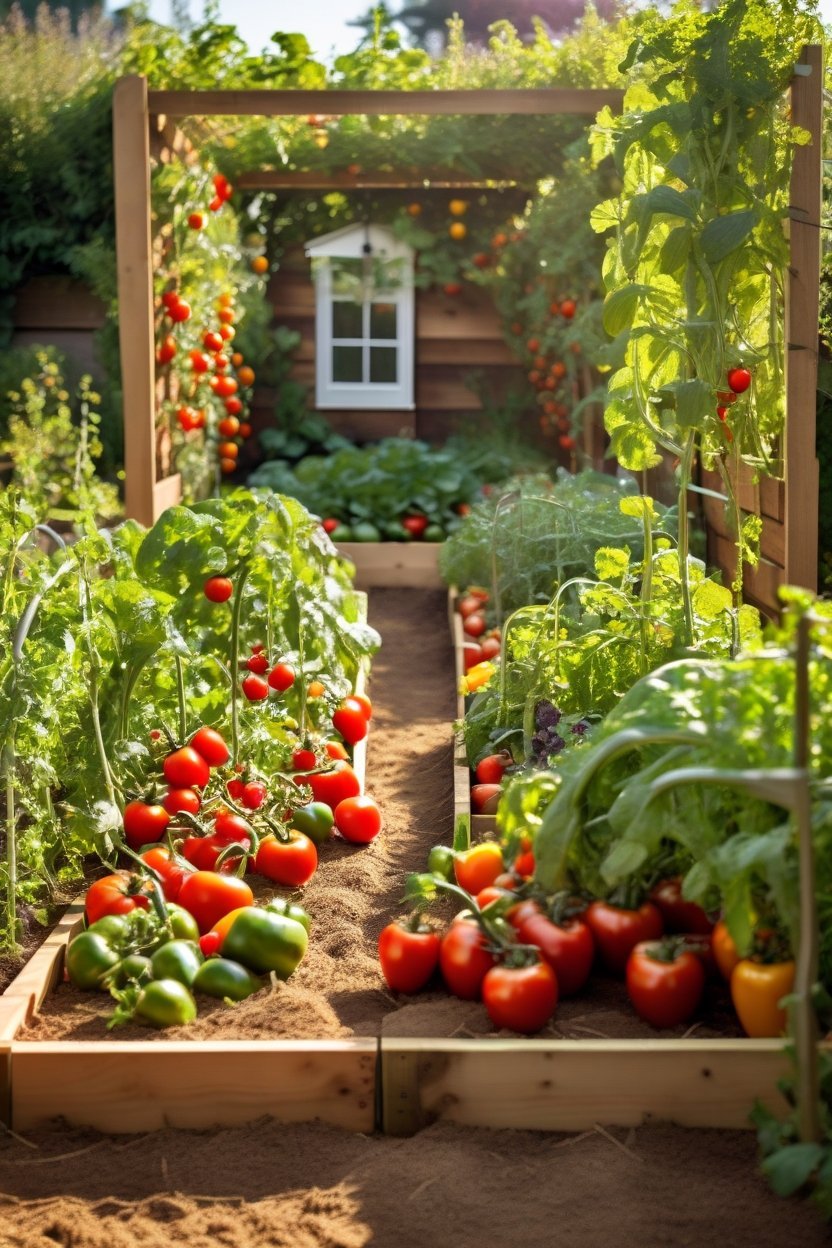
build a raised bed vegetable garden gardening has changed the way millions of people grow food at home. By growing in a contained, elevated bed filled with quality soil, you sidestep many of the biggest challenges of traditional start a vegetable garden from scratching — poor native soil, drainage issues, weed pressure, and the back-breaking work of tilling. The result is typically a more productive garden with less effort and more control.
Here’s everything you need to know to build, fill, and plant a thriving raised bed beginner’s guide to vegetable gardening.
Building or Buying Your Raised Bed
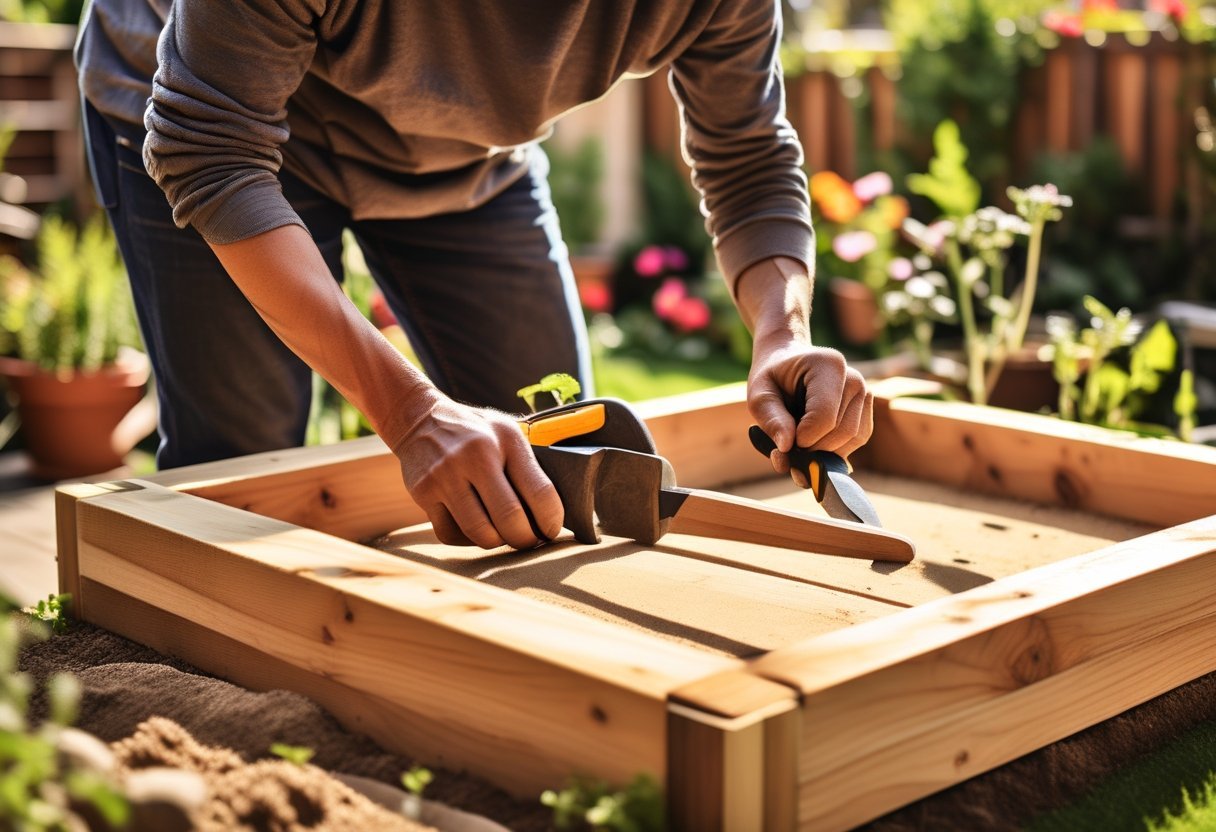
The standard raised bed is 4 feet wide — this allows you to reach the center from either side without stepping in. Length is flexible: 4×4 feet for a starter bed, 4×8 feet for a more productive space. Height of 10-12 inches is sufficient for most vegetables; root vegetables like carrots and parsnips prefer 12-18 inches. Cedar is the traditional material — it naturally resists rot and insects. Avoid treated lumber (older pressure-treated wood contains harmful preservatives). Pine works for 3-5 years at a fraction of the cost.
The Perfect Raised Bed Soil Mix
The best raised bed soil mix is approximately: 60% topsoil, 30% start composting at home, 10% coarse sand or perlite. This creates a mix that’s nutrient-rich, well-draining, and loose enough for root development. Never fill a raised bed with bagged potting mix alone — it’s too light and drains too quickly. The Mel’s Mix formula (one-third compost, one-third peat moss or coco coir, one-third coarse vermiculite) is excellent for smaller beds.
What to Plant and When
Cool-season crops (plant in early spring and fall): Lettuce, spinach, kale, arugula, radishes, peas, carrots, broccoli, cauliflower. These thrive in temperatures of 45-65°F and can tolerate light frost.
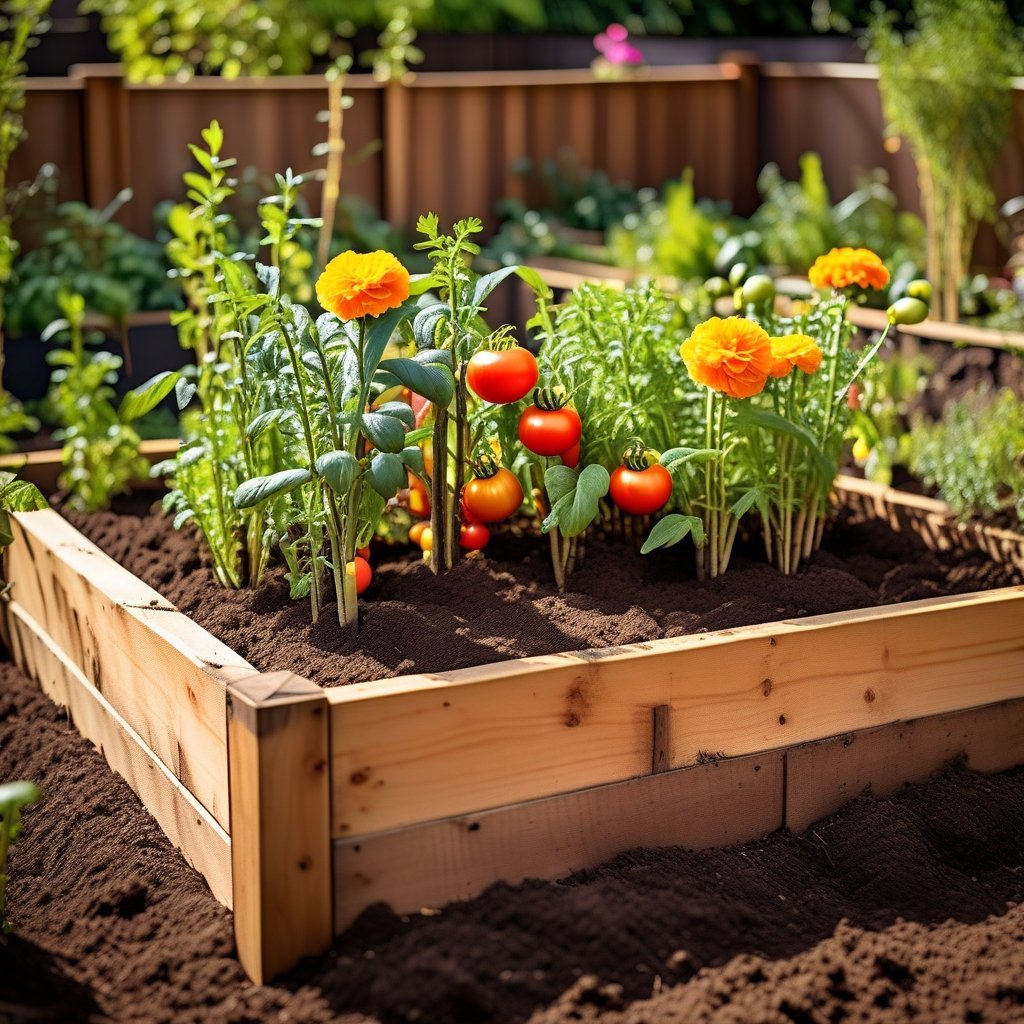
Warm-season crops (plant after last frost): grow tomatoes that actually taste goodes, peppers, zucchini, cucumbers, beans, basil, eggplant. These need warmth to thrive — don’t rush them into the ground before nighttime temperatures are consistently above 50°F.
Spacing and Succession Planting
Raised beds use intensive spacing — plants are grown closer together than traditional row gardening, which suppresses weeds and maximizes yield per square foot. Follow the spacing on seed packets and divide the bed mentally into squares (the “square foot gardening” method is excellent here). Succession plant fast-growing crops like lettuce and radishes every 2-3 weeks to extend your harvest throughout the season rather than getting everything at once.
Watering Raised Beds
Raised beds dry out faster than in-ground beds because of improved drainage and air circulation. In hot weather, most vegetable beds need watering every 1-2 days. Drip irrigation or soaker hoses are worth the investment — they deliver water directly to the roots, reduce disease pressure by keeping foliage dry, and save significant time. Mulching the surface with straw or shredded leaves dramatically reduces watering frequency and suppresses weeds.
Feeding Your Raised Bed
Heavy-feeding vegetables like tomatoes and peppers need consistent fertilizing throughout the season. Add a slow-release granular fertilizer at planting time, then supplement with liquid fertilizer every 2 weeks once plants begin flowering. Compost tea — compost steeped in water for 24 hours — is an excellent liquid supplement that also improves soil biology. Top-dress beds with 1-2 inches of compost each spring to replenish nutrients and organic matter.
A raised bed vegetable garden, even a single 4×8 foot bed, can produce a remarkable quantity and variety of food. The satisfaction of harvesting vegetables you grew yourself — especially the first tomato of summer — is worth every bit of the effort. For more ideas, explore our gardening tips.