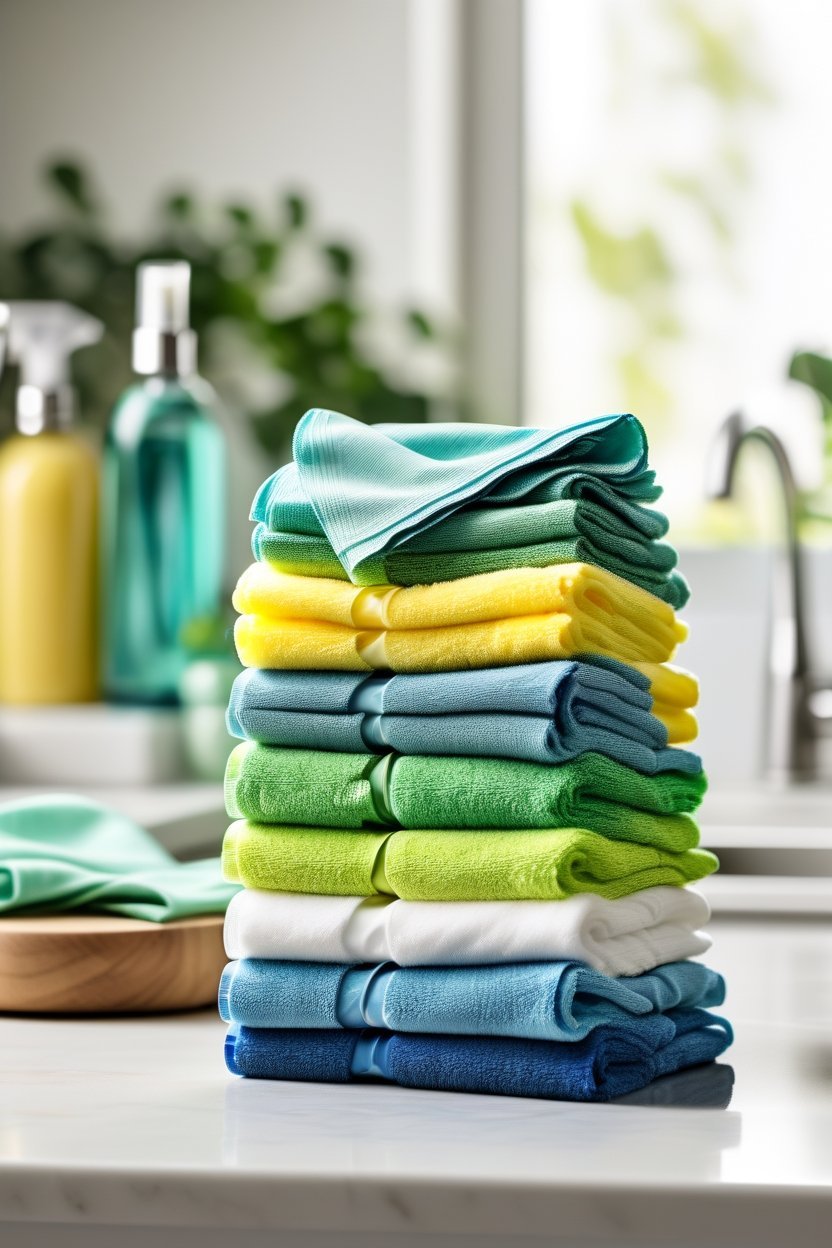
If you’re still cleaning with paper towels and cotton rags, you’re working harder than you need to. Microfiber cloths are the single biggest upgrade you can make to your cleaning routine — they pick up more dirt, bacteria, and dust than any other material, they require less cleaning product, and they last for hundreds of washes. Once you switch, going back feels impossible.
But not all microfiber is created equal, and how you use and care for them matters enormously. Here’s everything you need to know.
Why Microfiber Actually Works
Microfiber cloths are made of fibers that are split into wedge shapes — this creates an enormous surface area relative to their size, with thousands of tiny “hooks” that trap dirt, dust, and bacteria mechanically. Unlike cotton, which smears dirt around, microfiber physically lifts and holds particles until you rinse or wash the cloth. Studies have shown that microfiber can remove up to 99% of bacteria from surfaces using only water — no chemical needed.
The Different Types and What Each Is For
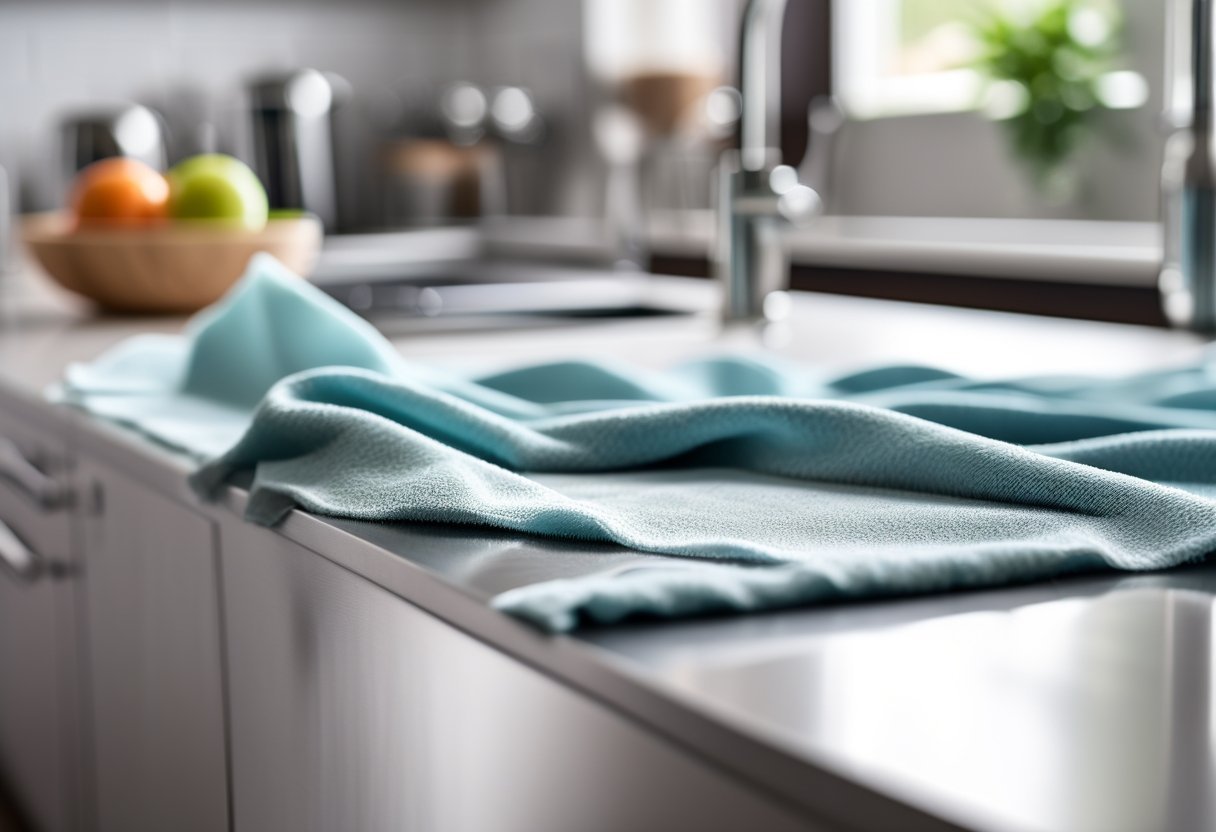
All-purpose cloths (flat weave, medium weight): For wiping countertops, appliances, refresh your bathroom without renovating surfaces, and general cleaning. These are your workhorse cloths.
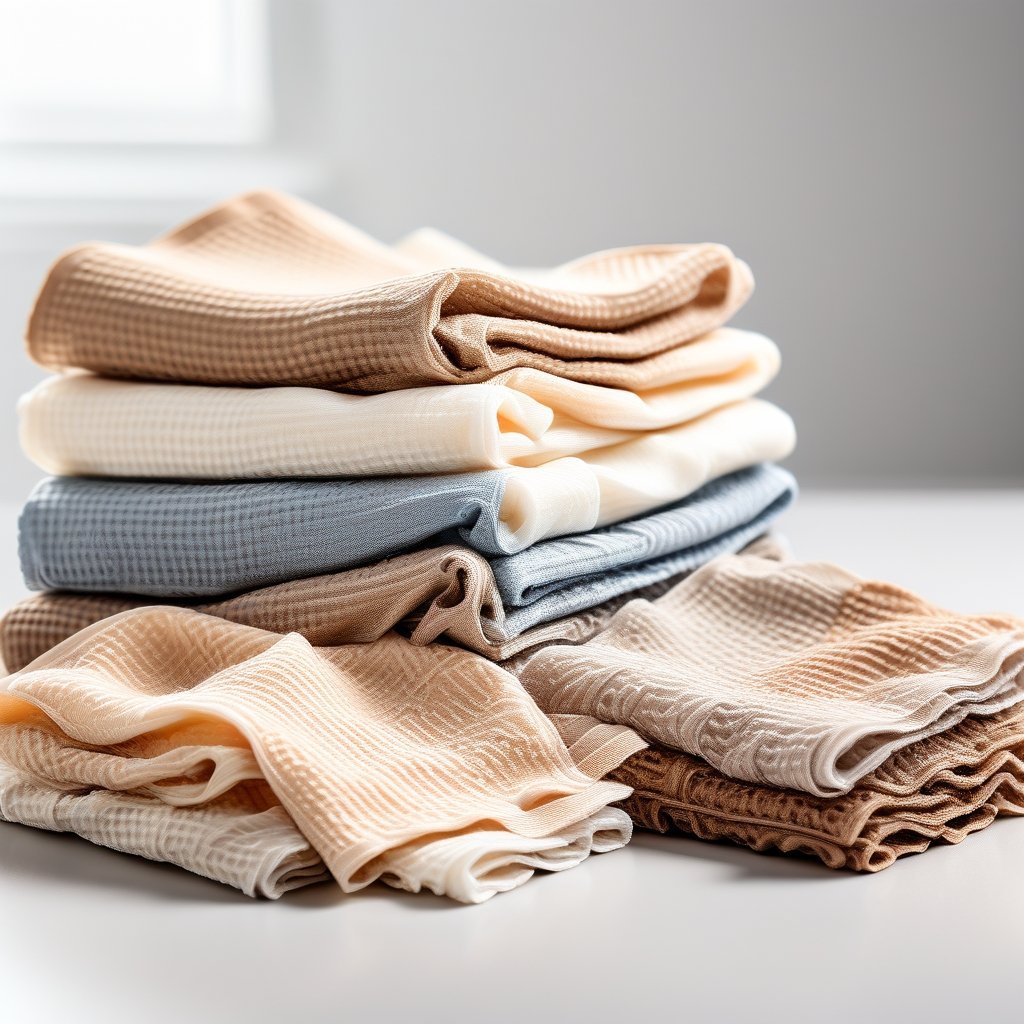
Terry or waffle weave cloths (thicker, more textured): For scrubbing — removing soap scum, dried food, and stubborn spots. The texture provides more friction.
Glass and mirror cloths (ultra-fine weave): Specifically designed to leave no lint or streaks on glass. Use these exclusively on mirrors, windows, and screens.
Dusting cloths (fluffy, high pile): Electrostatic properties attract and hold dust — don’t use wet, these work dry.
Color-Coding: The System That Prevents Cross-Contamination
Professional cleaners 2026 home color trends-code their microfiber cloths to prevent spreading bacteria from one area to another. A simple system: red for toilets, blue for sinks and counters, yellow for general surfaces, green for refresh your kitchen without a renovations. Whatever colors you choose, the principle is the same — never use a cloth that’s touched a toilet on your kitchen counter. Label or organize accordingly.
How to Clean With Microfiber Effectively
Dampen the cloth — don’t soak it. Excess water spreads bacteria rather than removing it. For most cleaning tasks, a barely damp cloth is all you need, sometimes with a small amount of your chosen cleaner sprayed on the surface. Fold the cloth into quarters so you have eight clean sides to work with — flip to a fresh side frequently. For glass, use the damp side first, then flip to the dry side to buff streak-free.
Washing and Care: The Rules That Extend Their Life
This is where most people go wrong. Never wash microfiber with cotton items — cotton fibers clog the microfiber weave, destroying its effectiveness. Never use fabric softener — it coats the fibers and eliminates the electrostatic properties that make microfiber work. Wash in warm water (not hot — high heat damages the fibers) with a small amount of plain laundry hacks that actually work detergent, no conditioner. Air dry or tumble on low heat. Treated correctly, quality microfiber cloths last 300-500 washes.
When to Replace Them
You’ll know a cloth is past its useful life when it starts to smear rather than pick up, leaves lint on glass despite being clean, or develops a persistent odor that washing doesn’t remove. At that point, repurpose them for grubby create an outdoor living space tasks before discarding. A good set of microfiber cloths costs $15-25 and replaces years of paper towel purchases.
Switching to microfiber is one of those small changes that makes cleaning noticeably faster, easier, and more effective — and significantly reduces both spending and waste over time.