
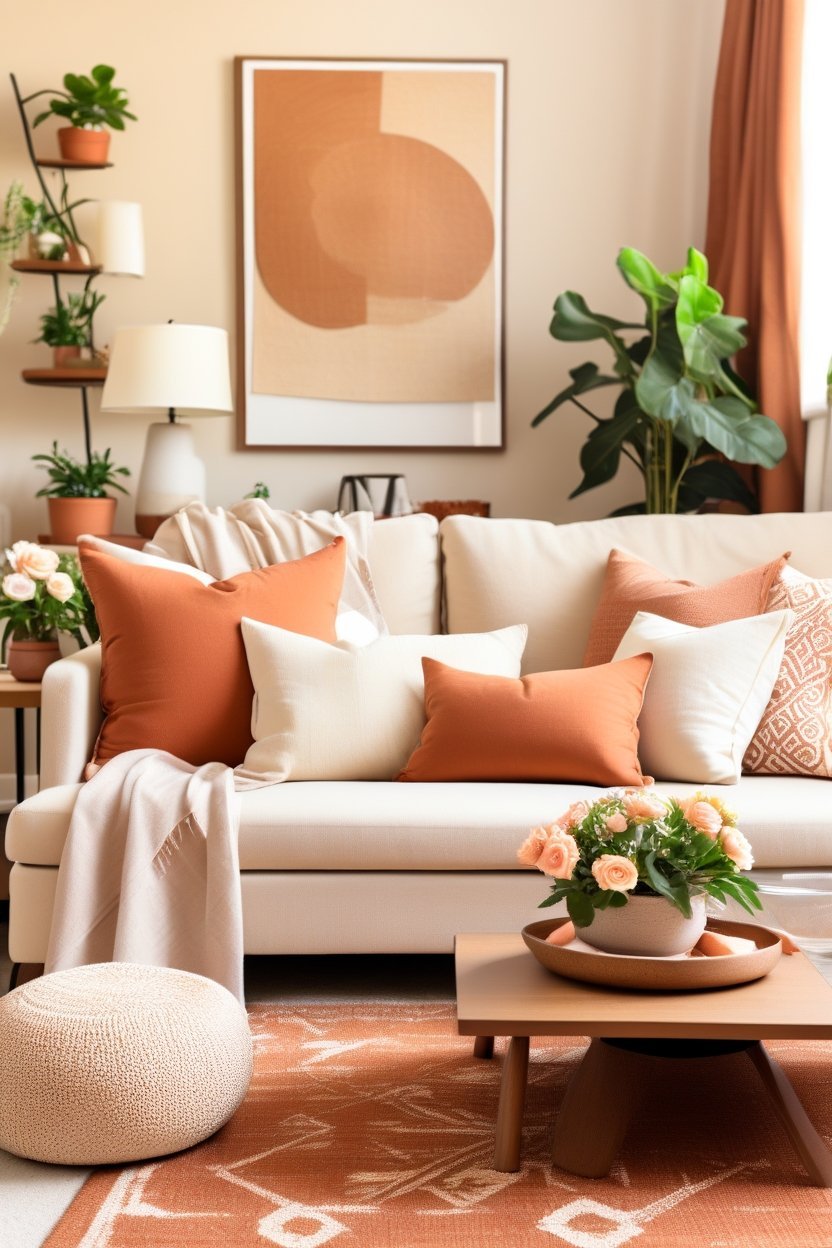
You don’t need a renovation budget — or even a significant one — to make your cozy living room decor ideas feel completely refreshed. The truth is that most rooms can be dramatically transformed through rearranging, restyling, and a handful of inexpensive updates that cost far less than you’d expect. This $100 living room refresh plan focuses on the changes that have the biggest visual impact for the least spend.
Work through these steps in order — each one builds on the last, and together they create a room that looks genuinely considered and pulled-together.
Step 1: Rearrange Before You Spend Anything
Before buying a single thing, rearrange your furniture. Pull the sofa away from the wall by at least 12 inches — floating furniture is the single most common designer trick for making rooms feel more intentional. If you have two chairs, angle them slightly toward the sofa rather than pushing them flat against their respective walls. Create a defined conversation zone. Most rooms look dramatically better after rearranging, and this costs absolutely nothing.
Step 2: Swap Throw Pillow Covers (~$40)
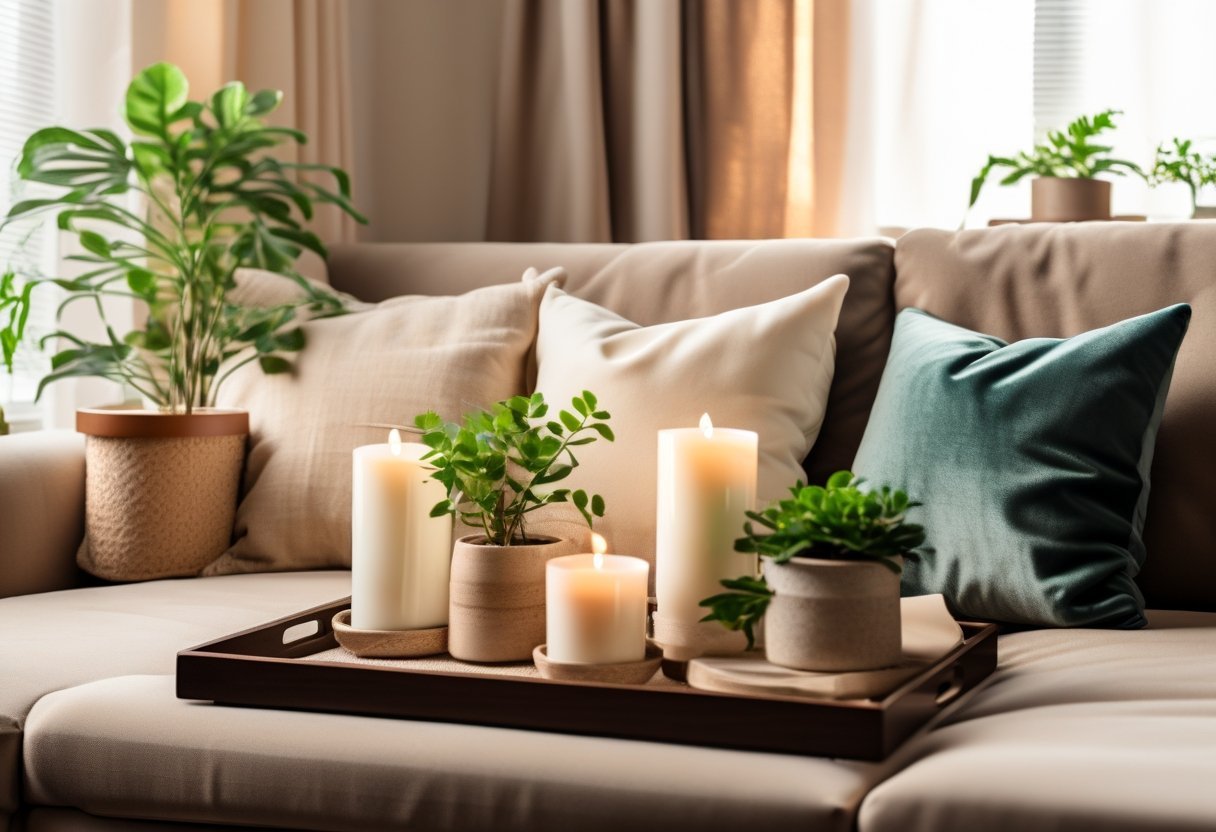
Don’t buy new pillow inserts — buy new covers. Covers cost $8-20 each, and your existing inserts work perfectly. Choose a new 2026 home color trends palette for the season: terracotta, rust, and cream for autumn and winter; sage green, pale blue, and white for spring and summer. Three or four new covers in complementary textures (linen, velvet, cotton) completely change the personality of a sofa without touching anything else. Mix one solid, one subtle texture, and one with a simple pattern.
Step 3: Add a Large Mirror (~$30-50)
A large mirror is the most impactful single purchase you can make for a small living room ideas. It reflects light, creates the illusion of depth, and adds a focal point without competing with artwork. Lean an oversized round or arched mirror against the wall behind the sofa — this creates a casual, layered look that’s more current than a precisely hung mirror. decorating with thrift store finds stores reliably have large mirrors for $20-40; spray paint the frame in brass or matte black to update the finish.
Step 4: Restyle the Coffee Table
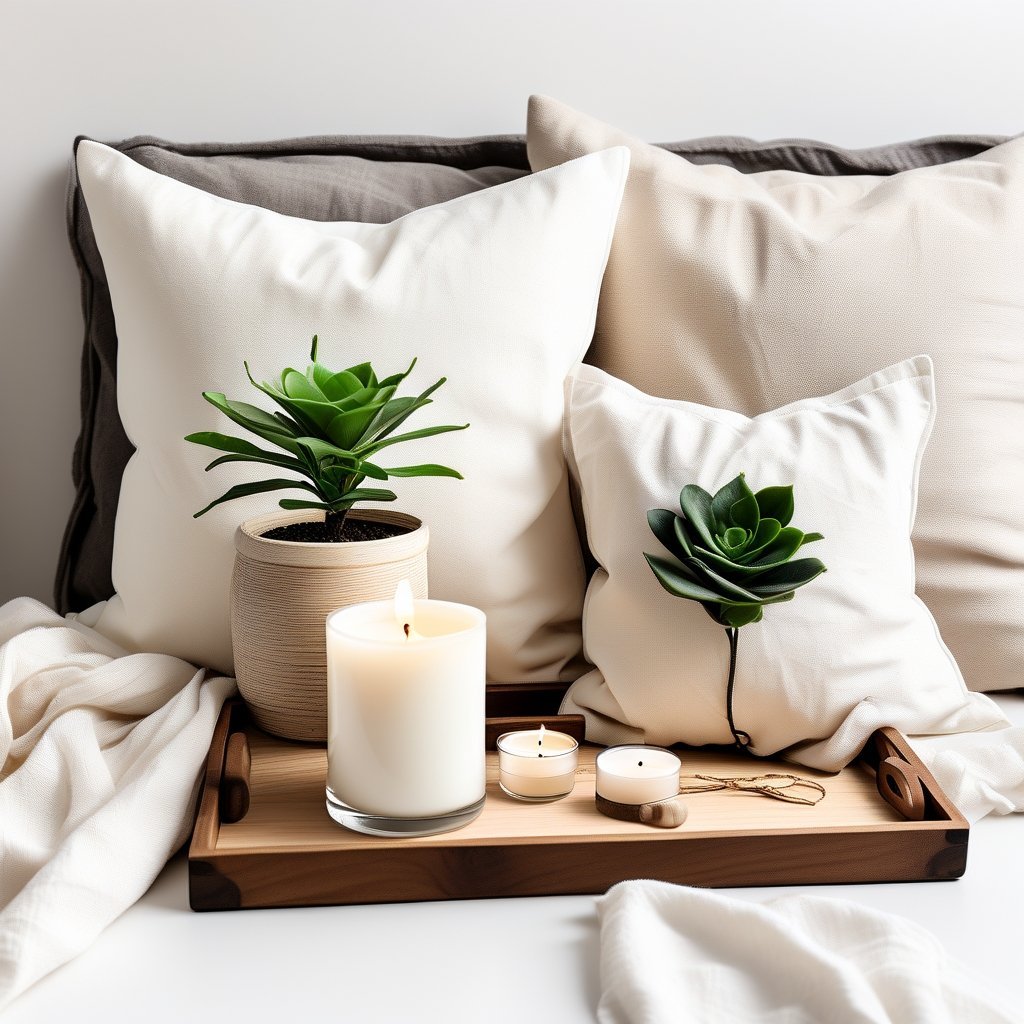
A coffee table vignette follows a simple formula: use a tray to contain the arrangement, then add three to five objects of varying heights. The most effective combination: a stack of two or three coffee table books as a platform, a small plant or flowers, one candle, and one small home decor changesative object (a bowl, a stone, a small sculpture). Keep the tray to one end or center of the table and leave the rest clear — negative space is part of good styling.
Step 5: Layer Your Rugs
Layering rugs is a designer technique that adds depth, texture, and visual interest that a single rug can’t achieve. Start with a large, flat-weave jute or sisal rug as the base — these are inexpensive ($40-80) and anchor the seating area. Layer a smaller patterned or textured rug on top, offset slightly to show the base rug around the edges. The smaller rug can be a vintage find, a colorful kilim, or a simple geometric pattern. The combination looks expensive and pulled-together.
Step 6: Add One Statement Plant
A large plant in a corner — a fiddle-leaf fig, a bird of paradise, a large pothos in a hanging basket, or a cluster of smaller plants on a plant stand — adds life, color, and organic shape that no piece of furniture or decor can replicate. Place it in a woven rattan basket or a simple matte ceramic planter. Position it in a corner beside a lamp or beside the sofa where it gets adequate light. One well-chosen, healthy plant has more visual impact than a dozen small decorative objects.
Step 7: Change the Light Bulbs (~$10)
This is the most underrated living room update. Replace any cool or bright white bulbs with warm 2700K LED bulbs throughout the room. The difference in how the room feels in the evening is remarkable — warm light makes rooms feel cozy, intimate, and welcoming in a way that cool overhead light never does. While you’re at it, add a dimmer switch to your main overhead light if it doesn’t have one. The ability to lower the light level in the evening makes any living room feel more sophisticated.
These seven steps together make a room feel genuinely transformed — and most people spend well under $100 total. The biggest investment is your time and a willingness to experiment with rearranging before reaching for your wallet.