
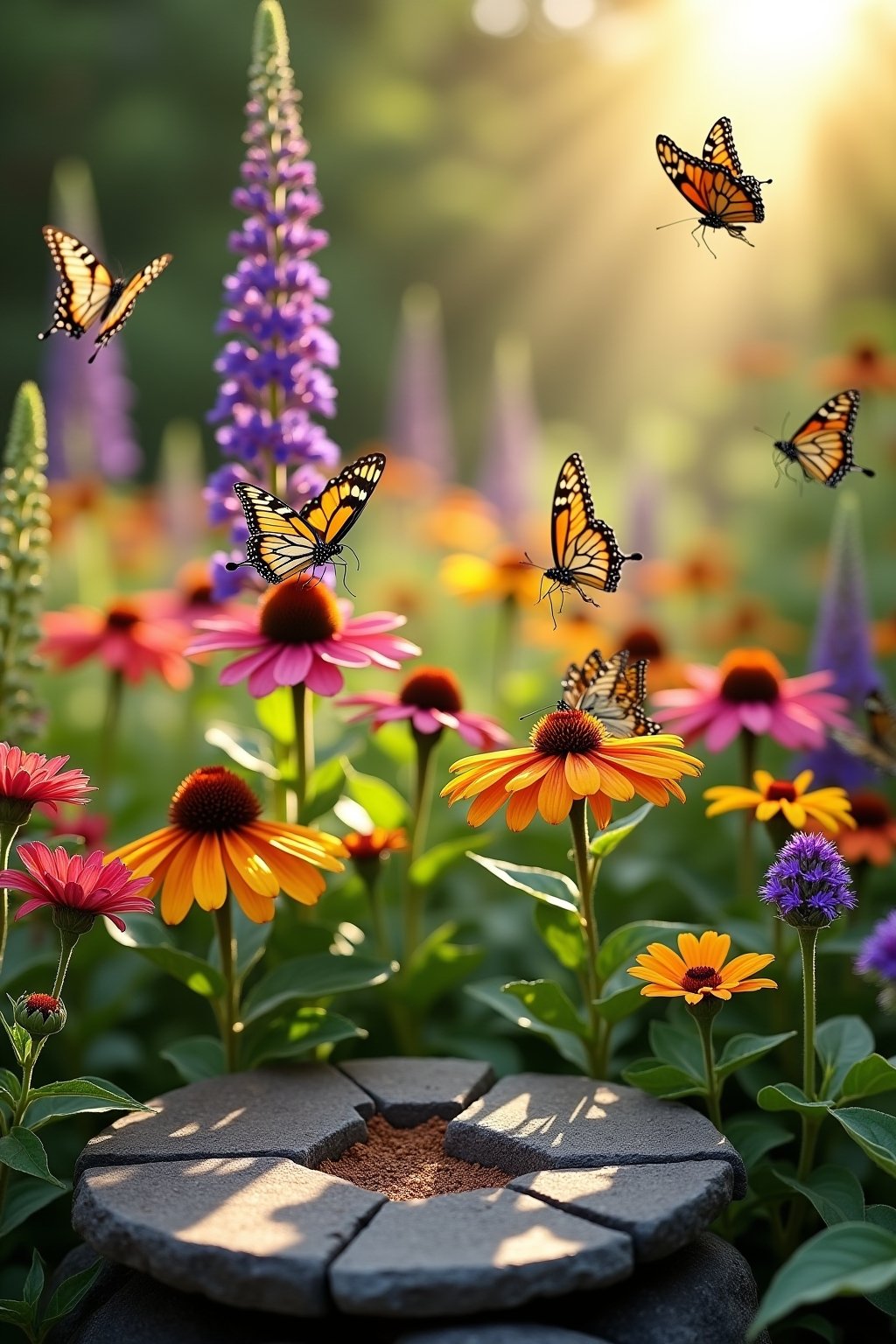
I spent years planting flowers I thought butterflies would love, and for years I watched them fly right past my garden to land on the weedy patch of clover by the mailbox. It was humbling, but it taught me something important: butterflies do not care about pretty. They care about food, shelter, and the right conditions for laying eggs.
A real butterfly garden is not just a flower bed with a cute sign. It is a carefully planned habitat that provides nectar for adults, host plants for caterpillars, shelter from wind, and a place to bask in the sun. Once I redesigned my garden around what butterflies actually need — instead of what I thought looked nice — they came in numbers I never expected. Here is exactly how to build a garden that butterflies will not fly past.
Quick Facts
| Sun | Full Sun (minimum 6 hours direct sunlight) |
| Difficulty | Beginner |
| Season | Plant in Spring (after last frost) |
| Zone | USDA Zones 3-10 (plant selection varies by zone) |
| Time to Harvest | N/A (expect butterflies within 2-4 weeks of bloom) |
What You Need for How to Plant a Butterfly Garden That Actually Attracts Butterflies
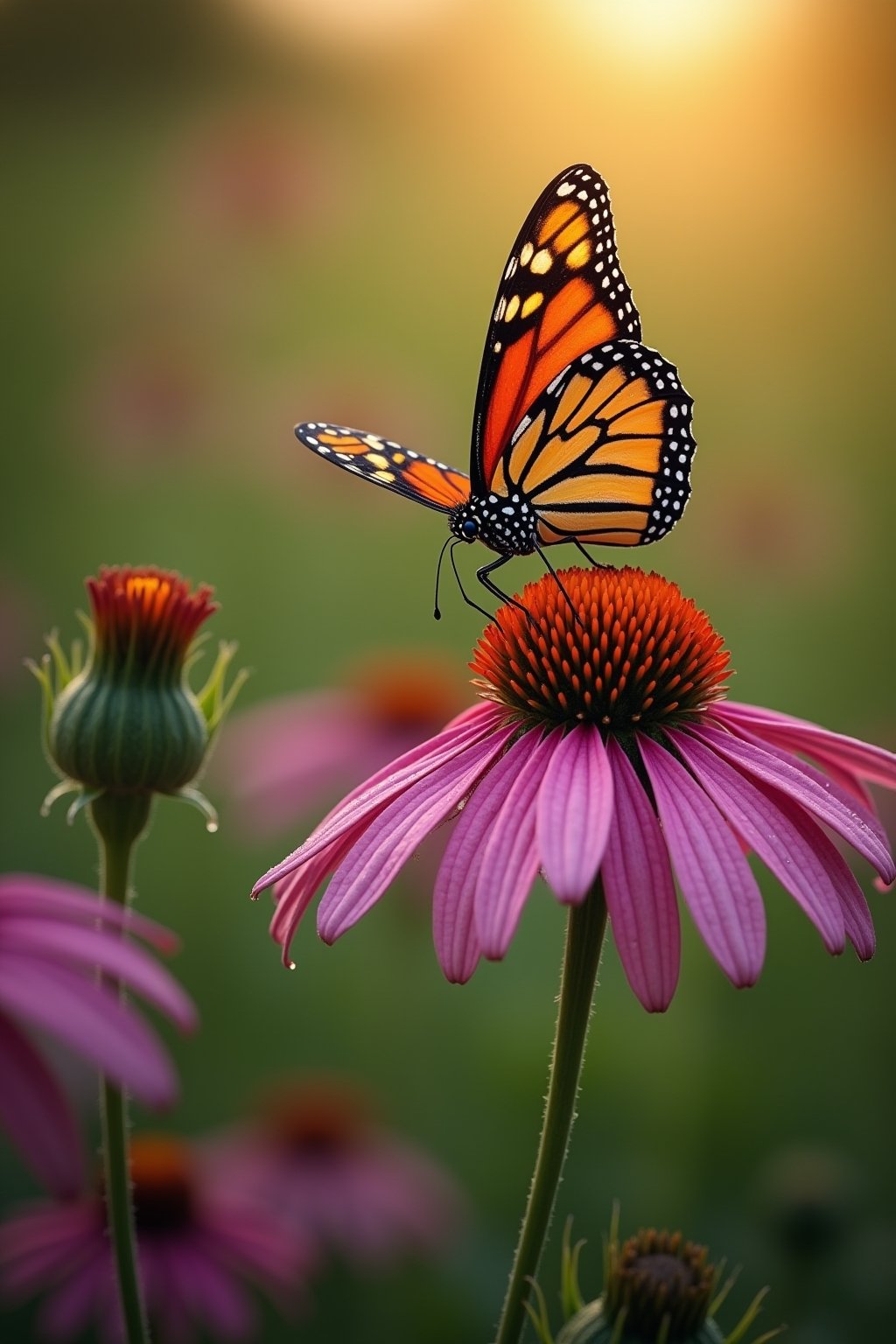
- Nectar plants: purple coneflower, butterfly bush, lantana, zinnias, bee balm
- Host plants: milkweed (monarchs), parsley/dill (swallowtails), asters (crescents)
- Flat stones for butterfly basking spots
- Shallow dish or puddling station with sand and water
- Windbreak plants or garden fence
- Mulch (avoid cedar — butterflies dislike the scent)
- Compost for soil preparation
- Garden hose or watering can
- Plant labels
- Optional: butterfly house or log pile for overwintering
The two most critical items are nectar plants and host plants — you need both. Nectar plants feed adult butterflies and draw them to your garden. Host plants are where females lay eggs because they are the only plants their caterpillars can eat. Without host plants, butterflies will visit for a sip but never stay. Milkweed is essential for monarchs — there is no substitute. For swallowtails, parsley, dill, and fennel are the host plants. A puddling station is simply a shallow dish filled with damp sand — butterflies gather on wet sand and mud to drink minerals. It is one of the easiest ways to keep them lingering in your garden.
Step 1: Choose a Sunny, Sheltered Location
Butterflies are cold-blooded and need direct sunlight to warm their bodies enough to fly. Your butterfly garden must receive at least 6 hours of full sun per day — 8 hours is even better. A south-facing or west-facing location is ideal.
Wind is a butterfly’s enemy. They are lightweight and struggle to feed or land in gusty conditions. Place your garden where a fence, hedge, or building blocks the prevailing wind. If your site is exposed, plant a row of tall perennials like Joe Pye weed or ornamental grasses along the windward side to create a natural windbreak.
Step 2: Plant Nectar Flowers in Clusters of Color
Butterflies find flowers by sight, not smell. They are attracted to large blocks of color rather than scattered individual plants. Plant at least 3-5 of the same species together in a drift or cluster. Purple, pink, red, orange, and yellow flowers are the most attractive to most butterfly species.
The best nectar plants combine flat or clustered flower heads that give butterflies a landing platform: purple coneflower, black-eyed Susan, lantana, zinnias, phlox, bee balm, and verbena. Choose varieties that bloom at different times so there is always something flowering from late spring through first frost. Early bloomers like lilac and phlox feed spring butterflies, while asters and goldenrod fuel fall migration.
Step 3: Add Host Plants for Caterpillars
This is the step most people skip, and it is the most important one. Caterpillars are picky eaters — each species can only eat specific plants. If those plants are not in your garden, female butterflies will not lay eggs there, and you will never see the full life cycle in your yard.
The essentials: milkweed (any native species) for monarchs, parsley, dill, and fennel for black swallowtails, violets for fritillaries, asters for painted ladies and crescents, and native grasses for skippers. Plant host plants in a slightly hidden spot — caterpillars will chew them down to stubs, and that is exactly what should happen. Do not use pesticides on or near host plants.
Step 4: Create Basking Spots and a Puddling Station
Butterflies need to bask in the sun to regulate their body temperature. Place a few flat, dark-colored stones in sunny areas of your garden. Dark stones absorb heat and give butterflies a warm surface to spread their wings on cool mornings.
A puddling station is equally important. Male butterflies especially gather on wet sand or mud to drink water and dissolved minerals they need for reproduction. Make one by filling a shallow dish or saucer with coarse sand, adding a pinch of salt, and keeping it damp. Place it in a sunny spot near your nectar plants. You will be amazed how quickly butterflies find it.
Step 5: Plant in Layers for Maximum Habitat
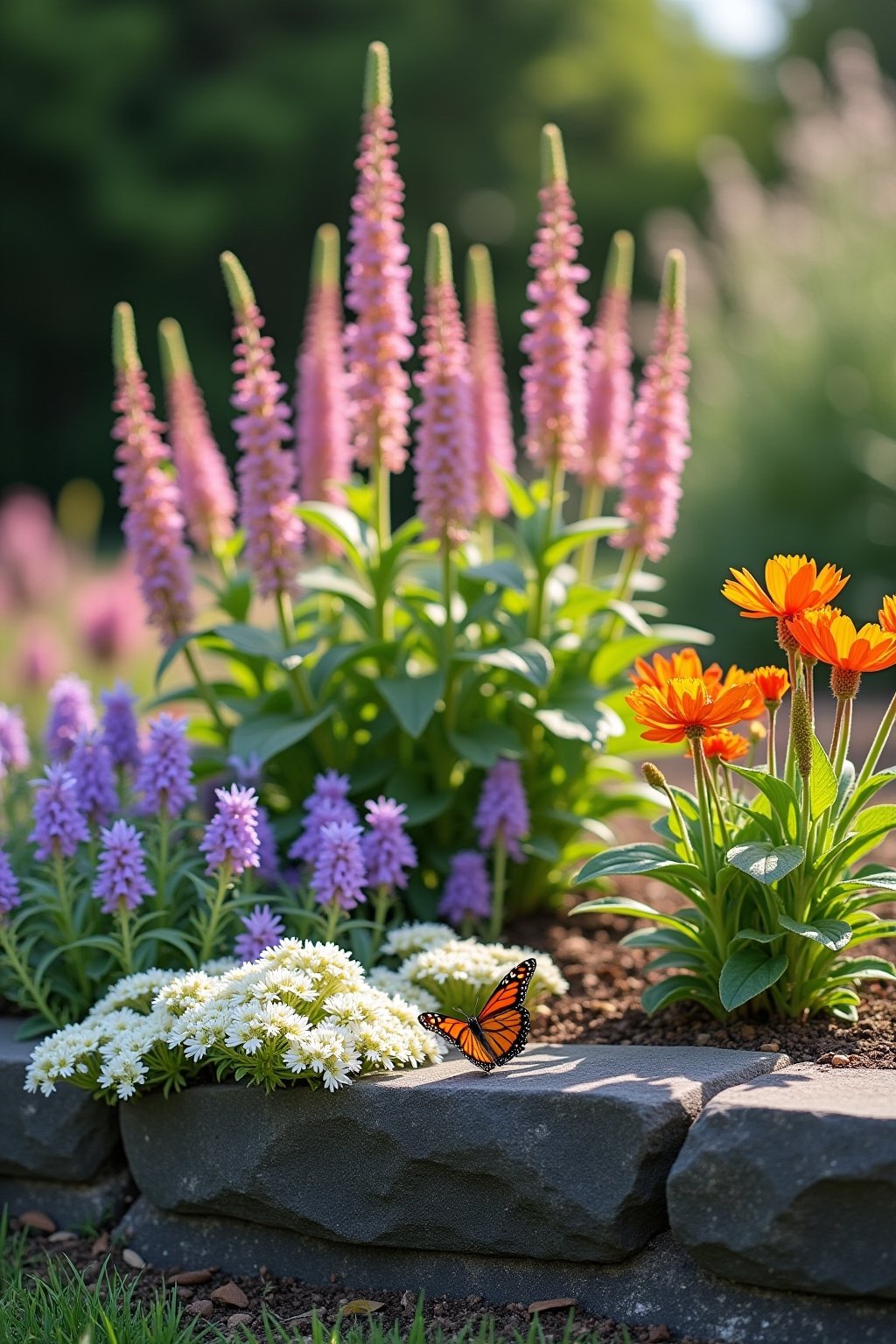
A flat garden with only one height of plants provides limited habitat. Design your butterfly garden in three layers: tall plants in the back (Joe Pye weed, butterfly bush, tall phlox), medium plants in the middle (coneflower, bee balm, milkweed), and low plants in the front (alyssum, verbena, creeping phlox).
This layered design creates microclimates — sheltered pockets where butterflies can escape wind, hide from predators, and roost overnight. It also maximizes the number of flowers in a small space, which means more nectar and more butterflies. Add a small log pile or bundle of sticks in a back corner for overwintering shelter.
Step 6: Maintain Without Chemicals
Never use pesticides in or near a butterfly garden. This includes organic options like neem oil and insecticidal soap — they kill caterpillars just as effectively as synthetic chemicals. If aphids appear on your plants, hose them off with water or let ladybugs handle them naturally.
In fall, resist the urge to clean up every dead stem. Many butterfly species overwinter as chrysalises attached to plant stalks, in leaf litter, or under bark. Leave standing stems and fallen leaves in place through winter and do your garden cleanup in late spring after daytime temperatures consistently reach 50 degrees. This single habit can dramatically increase butterfly populations in your yard.
Common Problems and How to Fix Them
Butterflies visit but never stay: You probably have nectar plants but no host plants. Add milkweed, parsley, and asters so female butterflies have a reason to lay eggs in your garden rather than just passing through for a quick drink.
Caterpillars are eating my plants: This is success, not a problem. Host plants are meant to be eaten — that is their entire purpose. Plant extra parsley and milkweed so there is enough for both caterpillars and your kitchen.
Monarch caterpillars disappearing: Predators like wasps, birds, and tachinid flies eat caterpillars. You cannot eliminate predation entirely, but planting milkweed in dense clusters gives caterpillars more hiding spots. Some gardeners raise a few indoors to protect them through the vulnerable caterpillar stage.
No butterflies despite plenty of flowers: Check your sun exposure — a shaded garden will not attract butterflies no matter how many flowers you plant. Also avoid double-petaled flower varieties, which look pretty but produce little to no nectar.
Seasonal Guide
A well-planned butterfly garden provides continuous blooms from spring through fall:
| Season | Key Blooming Plants | Butterfly Activity |
|---|---|---|
| Early Spring | Lilac, phlox, columbine | Early migrants arrive, overwintered adults emerge |
| Late Spring | Milkweed, coneflower, bee balm | Monarchs arrive, swallowtails lay eggs on herbs |
| Summer | Lantana, zinnias, butterfly bush, black-eyed Susan | Peak activity — all species feeding and breeding |
| Early Fall | Asters, goldenrod, sedum | Monarchs fueling up for migration, fall broods hatching |
| Late Fall | Late asters, chrysanthemums | Last nectar before frost, chrysalises forming |
Deadhead spent flowers regularly throughout the season to encourage continuous blooming. The more flowers you keep coming, the longer butterflies will stay in your garden.
Expert Tips
- Skip double-petaled flowers — Heavily doubled blooms like some marigold and rose varieties produce almost no nectar. Butterflies cannot access what little there is. Always choose single-petaled or simple flower forms.
- Plant native species whenever possible — Native butterflies have evolved with native plants over thousands of years. A native milkweed or aster will attract more species than any exotic import.
- Leave the garden messy in fall — Standing dead stems, leaf litter, and hollow logs are overwintering sites for chrysalises and hibernating adults. A tidy fall cleanup can wipe out next year’s butterfly population.
- Avoid mulching with cedar — Cedar contains natural oils that repel many insects, including butterfly larvae. Use straw, shredded hardwood leaves, or pine straw instead.
- Add a rotten fruit feeder — Many butterflies (especially red admirals, painted ladies, and question marks) prefer rotting fruit over flower nectar. Set out overripe bananas, oranges, or watermelon slices on a plate in a sunny spot.
- Be patient the first year — A new butterfly garden takes a full season to establish. Perennials need time to root, and local butterfly populations need time to discover your garden. The second and third years are when things really take off.
Related Articles
Looking for more gardening guides? Check out these favorites:
- How to Build a Pollinator Garden That Attracts Bees, Butterflies & Hummingbirds
- How to Attract Birds to Your Backyard Garden
- The Best Low-Maintenance Perennials That Come Back Every Year (Zone by Zone)
Frequently Asked Questions
What is the single most important plant for a butterfly garden?
Milkweed. It is the only plant monarch caterpillars can eat, and monarchs are the most beloved and most threatened butterfly species in North America. Plant at least 3-5 milkweed plants of a species native to your area. Common milkweed, swamp milkweed, and butterfly weed are all excellent choices depending on your growing conditions.
Do butterfly bushes really attract butterflies?
Yes, butterfly bush (Buddleia) is an excellent nectar source that draws butterflies reliably. However, it provides nectar only — no butterfly species uses it as a host plant. You still need host plants like milkweed and parsley for a complete butterfly habitat. Also note that butterfly bush is considered invasive in some regions, so check your local regulations.
How big does a butterfly garden need to be?
Even a small 4-by-6 foot patch can attract butterflies if it has the right plants in a sunny location. Larger gardens attract more species and support more breeding, but size is less important than plant selection, sun exposure, and shelter from wind. A window box of lantana and a pot of parsley on a sunny patio will attract butterflies.
Can I plant a butterfly garden in containers?
Yes. Many excellent butterfly plants grow well in containers: lantana, zinnias, pentas, verbena, and milkweed all thrive in large pots. Place containers in full sun, group them together for a clustered color effect, and keep a shallow dish of damp sand nearby as a puddling station. Container butterfly gardens work beautifully on sunny balconies and patios.
Should I buy and release butterflies in my garden?
No. Commercially raised butterflies can carry diseases and parasites that spread to wild populations. They also may not be genetically adapted to your region, which can weaken local populations through interbreeding. The best approach is to plant the right habitat and let wild butterflies find your garden naturally. They will come — it just takes patience.
Do I need to stop using all pesticides to have a butterfly garden?
In the butterfly garden itself, yes — no pesticides of any kind, including organic ones. Neem oil, insecticidal soap, and Bt all kill caterpillars. In the rest of your yard, minimize pesticide use and never spray when butterflies are active. If you must treat a pest problem in another garden area, do it in the evening when butterflies are roosting.