
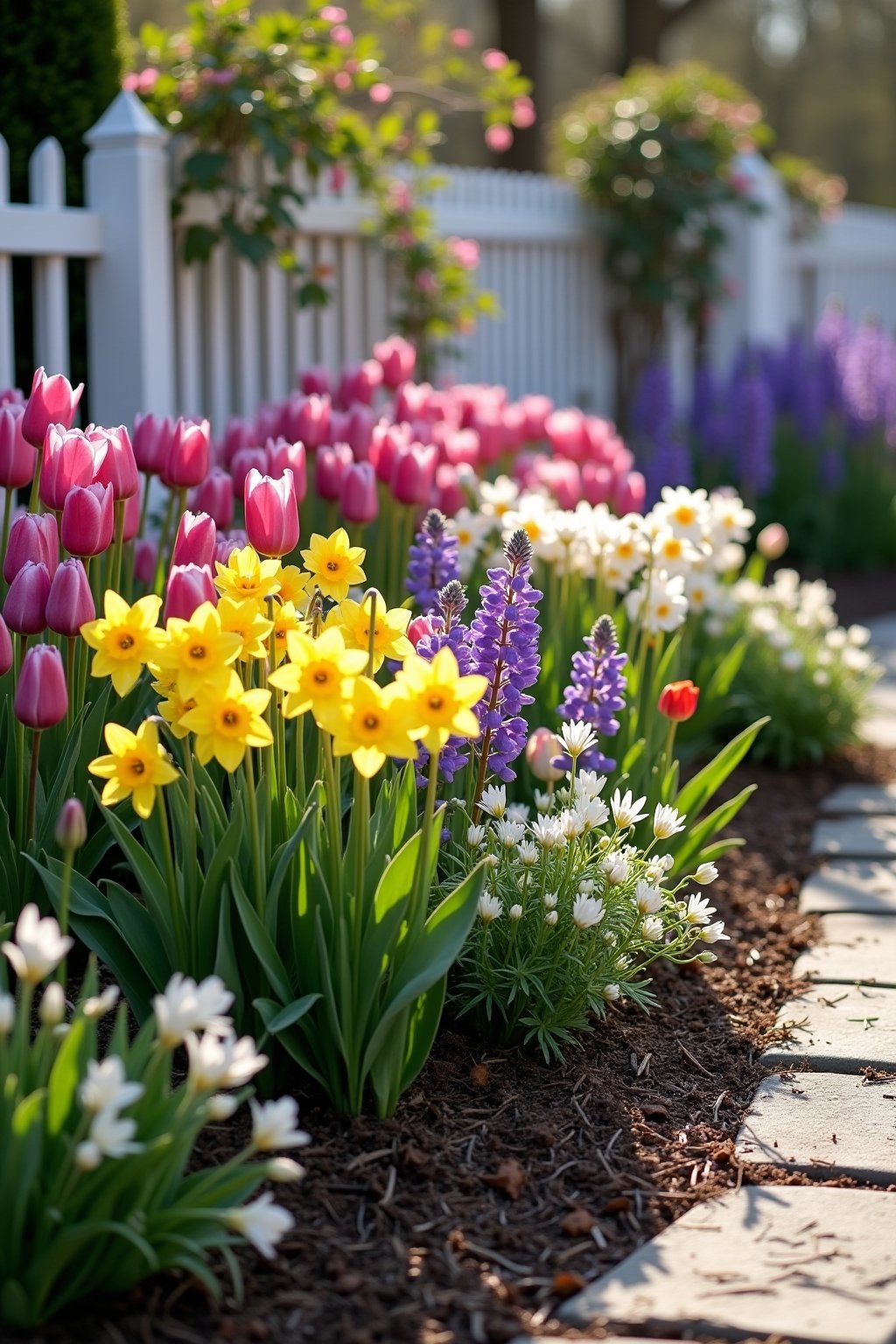
The first flower bed I ever planted looked amazing for exactly two weeks. I had filled it with tulips and daffodils, and when they bloomed together in April it was stunning. Then they all faded at the same time, and I spent the next five months staring at a bed of wilting leaves and bare dirt. I learned the hard way that a beautiful flower bed is not about picking pretty flowers — it is about picking flowers that take turns.
A flower bed with continuous color from spring through fall requires just a little planning. You need early, mid, and late bloomers layered together so that as one wave of flowers fades, the next wave is already opening. It sounds complicated, but once you understand the timing, it is surprisingly simple. This guide will walk you through choosing plants, designing your layout, and creating a bed that looks beautiful for seven months straight.
Quick Facts
| Sun | Full Sun to Partial Shade (6+ hours ideal) |
| Difficulty | Beginner |
| Season | Plan in late winter, plant in spring |
| Zone | USDA Zones 3-9 (plant choices vary) |
| Time to Harvest | N/A (ornamental — first blooms within 2-6 weeks of planting) |
What You Need for How to Plan a Spring Flower Bed With Continuous Color (Beginner’s Guide)
- Spring bulbs: tulips, daffodils, alliums, crocus
- Early perennials: creeping phlox, bleeding heart, columbine
- Summer perennials: coneflower, black-eyed Susan, daylily, Shasta daisy
- Late summer/fall perennials: sedum, asters, Russian sage, ornamental grasses
- Annual fillers: zinnias, marigolds, cosmos, petunias
- Compost and slow-release granular fertilizer
- Mulch (shredded bark or cocoa hull mulch)
- Garden hose or watering can
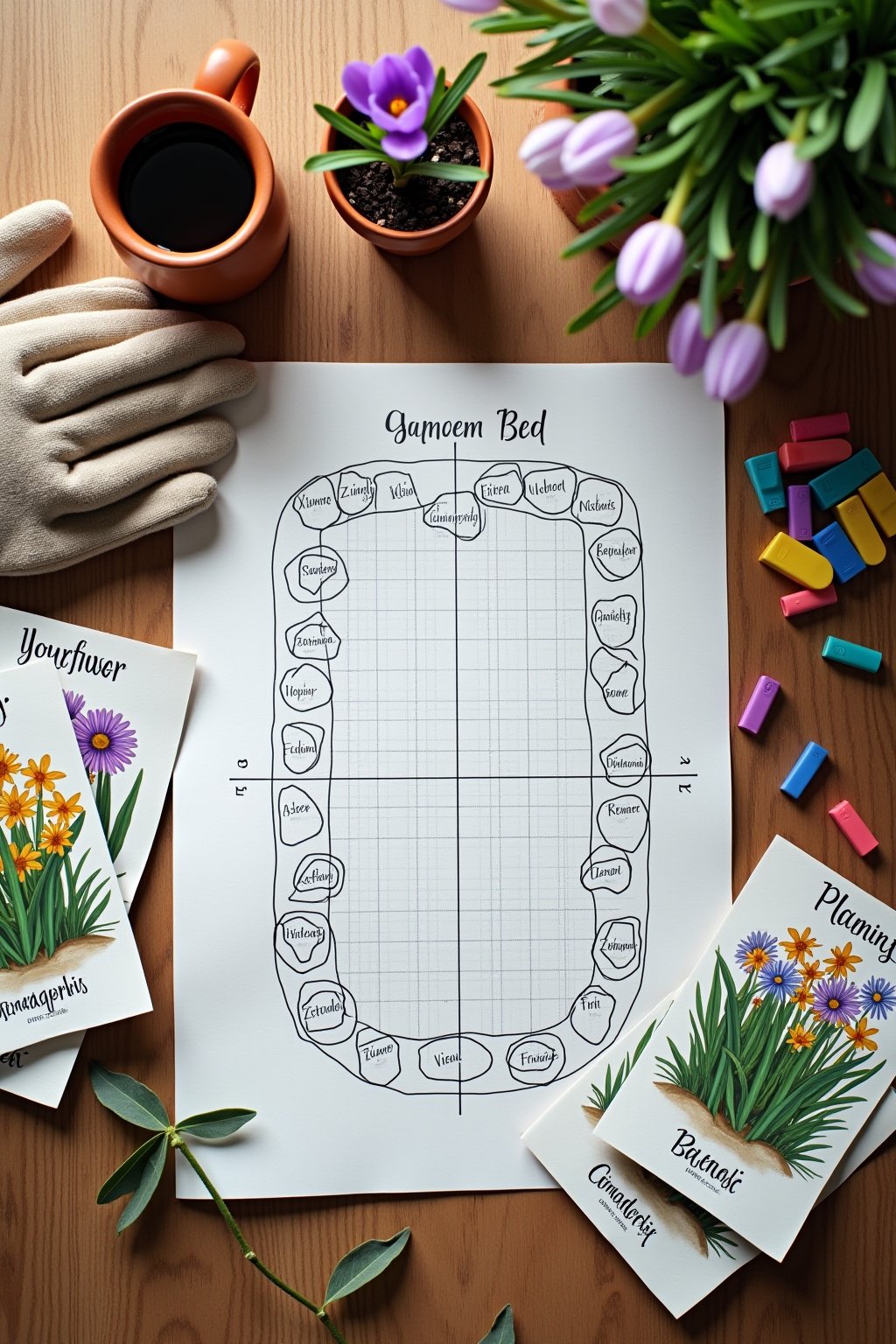
- Graph paper or garden design app for planning
- Plant stakes or markers
The key to continuous color is having three groups of plants: spring bloomers, summer bloomers, and fall bloomers. Each group takes over as the previous one fades. Spring bulbs (tulips, daffodils) provide the earliest color starting in March or April. Summer perennials like coneflower and black-eyed Susan carry the show from June through August. Fall perennials like asters and sedum close out the season through October. Annual flowers (zinnias, marigolds) are your insurance policy — they bloom non-stop from planting until frost and fill any gaps between perennial bloom times. You do not need dozens of species. Even 6-8 well-chosen plants can create continuous color if their bloom times are staggered.
Step 1: Map Your Bloom Seasons on Paper
Before you buy a single plant, make a simple chart. List the months from March through October across the top. Down the side, list every plant you are considering. Color in the months each plant blooms. You will immediately see where you have gaps — and those gaps are exactly where you need to add another plant.
Most beginners over-plant for spring and forget about late summer and fall. If your chart shows heavy coverage in April-May but nothing after August, add late bloomers like asters, sedum, goldenrod, or ornamental grasses. The goal is at least two or three plants blooming in every month of the growing season.
Step 2: Choose a Color Scheme
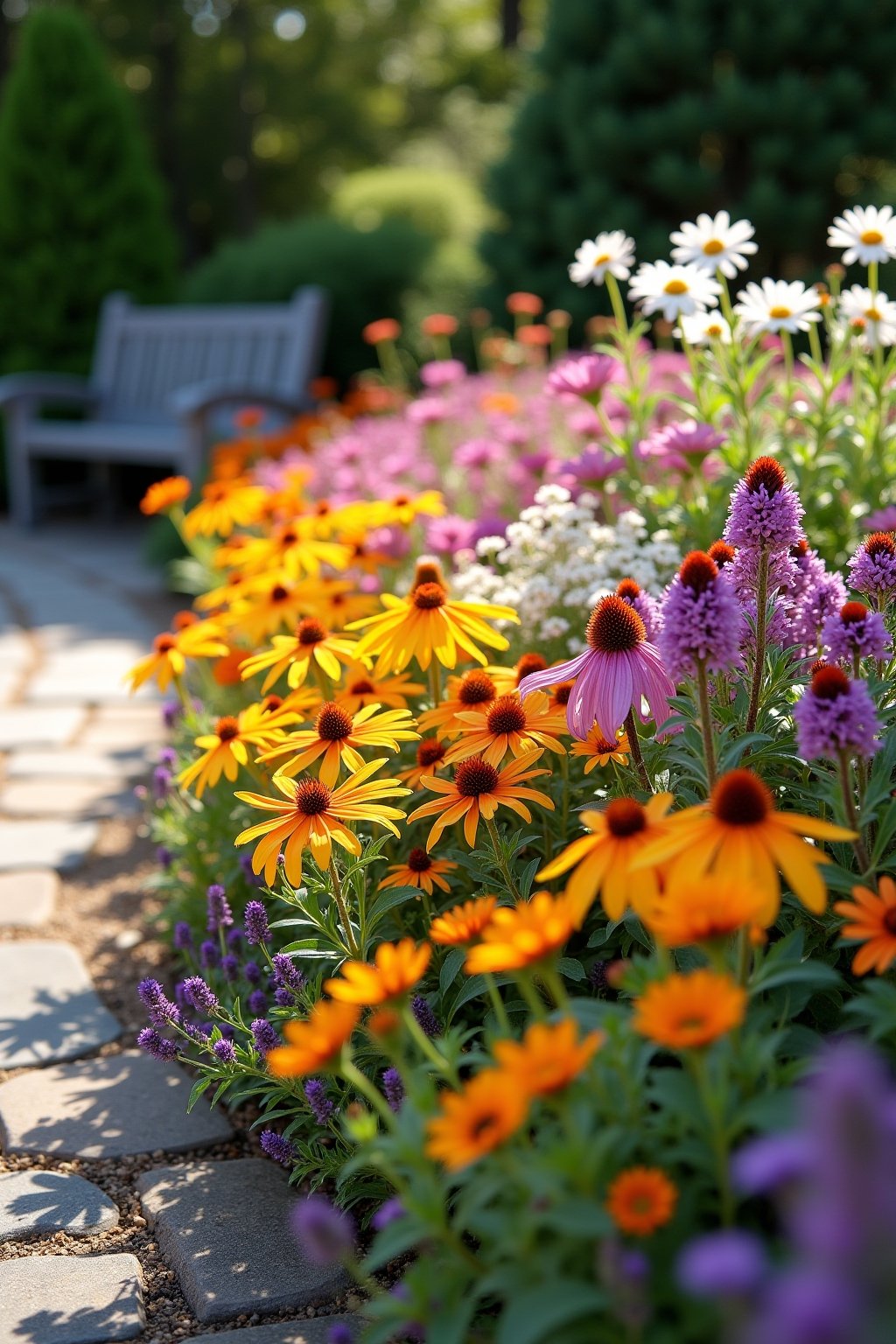
A flower bed with every color of the rainbow can look chaotic rather than beautiful. Pick a color theme with 2-3 main colors and stick to it. Classic combinations that always work: purple, yellow, and white (coneflower + black-eyed Susan + Shasta daisy), pink, blue, and silver (roses + catmint + lamb’s ear), or warm tones (orange daylilies + red bee balm + yellow coreopsis).
Having a color scheme does not mean every plant has to match exactly. Nature is forgiving with color. The point is to create a sense of cohesion so the bed looks intentional rather than random. Green foliage naturally ties everything together, so you have more flexibility than you might think.
Step 3: Design in Three Layers
Every well-designed flower bed has three height layers. Tall plants (3-5 feet) go in the back or center: delphiniums, hollyhocks, Joe Pye weed, tall phlox. Medium plants (1-3 feet) fill the middle: coneflower, black-eyed Susan, daylilies, Shasta daisies. Low plants (under 1 foot) edge the front: creeping phlox, alyssum, sedum, coral bells.
This layered design ensures you can see every plant from the front of the bed. It also creates a natural, full look even when some plants are not in bloom — the foliage of the three layers fills the space visually. If your bed is viewed from all sides (like an island bed), put the tallest plants in the center and the shortest around the edge.
Step 4: Plant Spring Bulbs and Early Perennials Together
Spring bulbs are planted in fall, but plan for them now. Tulips, daffodils, and alliums provide the first burst of color from March through May. The trick is to interplant bulbs with perennials that emerge later — as the bulb foliage fades, the perennial leaves grow in and hide the mess.
Daylilies are the perfect partner for daffodils — their strap-like leaves emerge just as daffodil foliage starts to yellow. Hostas cover fading tulip leaves beautifully in shade gardens. For the front of the bed, plant crocus bulbs between sedum plants — the crocus blooms early and the sedum grows over the spot all summer long.
Step 5: Fill Gaps With Long-Blooming Annuals
No matter how well you plan, there will be awkward weeks between perennial bloom times. This is where annuals earn their keep. Zinnias, marigolds, cosmos, and petunias bloom continuously from planting until frost — a solid 4-5 months of nonstop color.
Tuck annual plants or seeds into gaps between perennials in late May after the last frost. They fill in quickly, provide color while perennials rest between bloom cycles, and attract pollinators throughout the season. Zinnias are particularly valuable — they come in every color, bloom in 60 days from seed, and produce more flowers the more you cut them.
Step 6: Add Fall Interest So the Bed Does Not Fizzle Out
Most flower beds look tired by September because the gardener forgot about fall. Fix this by including at least three late-season performers: asters (purple and pink clouds of flowers from September to frost), sedum Autumn Joy (pink turning to rusty copper), and ornamental grasses (dramatic seed heads that look stunning through winter).
Russian sage is another fall champion — its silvery-purple flower spikes bloom from August through October and pair beautifully with asters. Even if the rest of your bed is winding down, three or four fall-blooming plants will carry the visual interest right up until hard frost. Leave dried seed heads and grass plumes standing through winter for texture and bird food.
Common Problems and How to Fix Them
Flower bed looks great in spring but bare by July: You planted too many spring bloomers and not enough summer and fall plants. Next year, replace some tulips with summer-blooming coneflowers and fall-blooming asters. Add annual zinnias to fill the immediate gap this season.
Colors clash and the bed looks messy: Narrow your color palette to 2-3 main colors. Move clashing plants to a different bed or swap them for varieties in your chosen color scheme. White flowers are great peacemakers — they harmonize almost any color combination.
Perennials are flopping over: Tall perennials like phlox, delphiniums, and asters often need staking. Install grow-through supports in spring before they get tall. Pinching back aster and mum stems by half in early June also produces shorter, bushier plants that do not flop.
Bulb foliage looks ugly after blooming: Never cut bulb leaves until they have yellowed completely — they are feeding the bulb for next year. Interplant with perennials whose emerging foliage hides the dying bulb leaves (daylilies and hostas are perfect).
Seasonal Guide
A well-planned bed provides color from March through October:
| Month | What’s Blooming | What to Do |
|---|---|---|
| March-April | Crocus, daffodils, creeping phlox, bleeding heart | Plant summer annuals indoors from seed |
| May | Tulips, alliums, columbine, late daffodils | Plant annuals after last frost, mulch beds |
| June | Peonies, iris, Shasta daisy, early daylilies | Deadhead spent blooms, pinch back asters |
| July | Coneflower, black-eyed Susan, bee balm, daylilies | Water deeply in heat, deadhead annuals |
| August | Phlox, Russian sage, zinnias, lantana | Divide overcrowded spring perennials |
| September-October | Asters, sedum, goldenrod, ornamental grasses | Plant spring bulbs, note what to add next year |
Expert Tips
- Plant in odd-numbered groups — Groups of 3, 5, or 7 of the same plant look more natural than even numbers or single plants scattered around. Clusters create impact while single plants get lost.
- Use a backbone of evergreen structure — One or two small evergreen shrubs (boxwood, dwarf yew, lavender) give the bed year-round presence, even in winter when everything else is dormant.
- Deadhead religiously for more flowers — Removing spent blooms before they set seed tells the plant to produce more flowers. This is especially important for roses, coneflowers, and all annuals.
- Photograph your bed every month — Take a photo from the same angle each month. At the end of the season, reviewing these photos reveals exactly where and when you have gaps, making next year’s planning effortless.
- Include one fragrant plant — Lavender, garden phlox, or fragrant roses add another dimension to your bed that photographs cannot capture. Place fragrant plants near paths or seating areas.
- Save money by growing perennials small — Buy small (quart-size) perennials instead of gallon pots. They cost a fraction of the price and catch up in size within one growing season. Invest the savings in more variety.
Related Articles
Looking for more gardening guides? Check out these favorites:
- The Best Low-Maintenance Perennials That Come Back Every Year (Zone by Zone)
- How to Start a Cutting Garden for Fresh Flowers All Summer Long
Frequently Asked Questions
How many different plants do I need for continuous color?
A minimum of 6-8 different species with staggered bloom times will provide continuous color from spring through fall. Choose at least two plants for each season: two spring bloomers, two to three summer bloomers, and two fall bloomers. Annual flowers fill gaps between perennial bloom times.
Can I have continuous color in shade?
Yes, but your plant choices are different. Shade options include bleeding heart (spring), astilbe and hostas (summer), and Japanese anemone and toad lily (fall). Use caladiums and coleus for colorful foliage that lasts all season. Shade gardens rely more on leaf color and texture than flowers alone.
What are the easiest flowers for a beginner’s flower bed?
For perennials: coneflower, black-eyed Susan, daylily, and sedum are nearly indestructible and bloom reliably year after year. For annuals: zinnias, marigolds, and cosmos are easy to grow from seed and bloom for months. Start with these proven performers and add more unusual plants as you gain confidence.
Should I plant annuals or perennials for continuous color?
Plant both. Perennials return each year and provide structure, but most only bloom for 2-4 weeks. Annuals bloom continuously for months but die at frost. The ideal flower bed combines perennials for the backbone with annuals to fill gaps and provide non-stop color through the entire season.
How do I keep my flower bed looking good in winter?
Leave ornamental grass seed heads and dried sedum standing through winter for structure and texture. Plant one or two small evergreen shrubs for year-round green. Lay a fresh layer of mulch in late fall for a tidy appearance. Some seed heads also provide food for birds, adding life and movement to the winter garden.
When is the best time to plant a flower bed?
Spring (after the last frost) is the best time to plant most perennials and all annuals. Fall is ideal for planting spring-blooming bulbs and dividing overcrowded perennials. Container-grown perennials can be planted anytime the ground is not frozen, but spring and early fall give them the best start.