Starting a beginner’s guide to vegetable gardening from scratch is one of those projects that feels intimidating right up until the moment you do it — and then it becomes one of the most rewarding habits of your life. There is something genuinely profound about eating food you grew yourself, even if it is just a handful of cherry grow tomatoes that actually taste goodes or a bunch of basil. This guide covers everything you need to know to start successfully, without the expensive mistakes most beginners make.
Step 1: Start Smaller Than You Think You Should
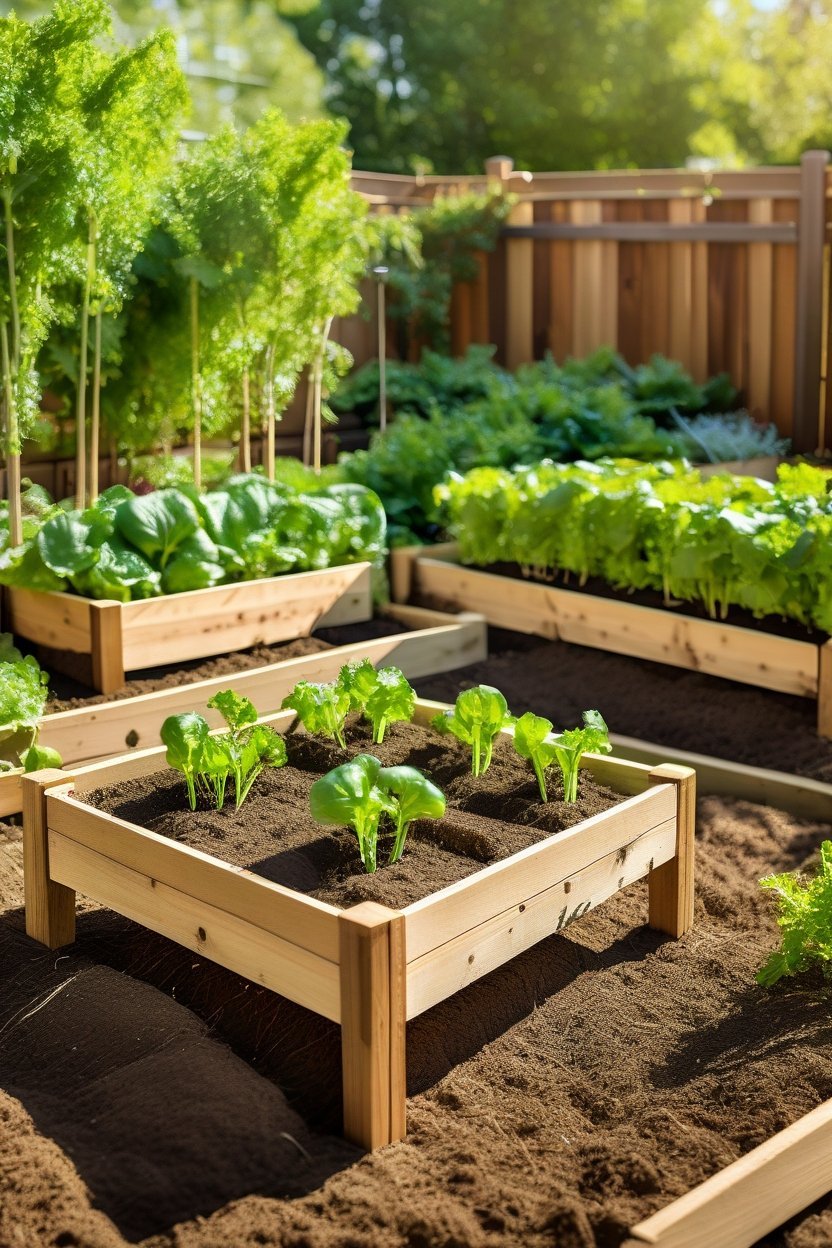
New gardeners consistently overestimate how much garden they can manage and underestimate how much time each plant requires. A 4×4-foot build a raised bed vegetable garden or four to six large containers is a perfect first garden. It is large enough to grow a meaningful harvest of three or four crops but small enough to maintain without becoming overwhelming.
Step 2: Choose the Right Location
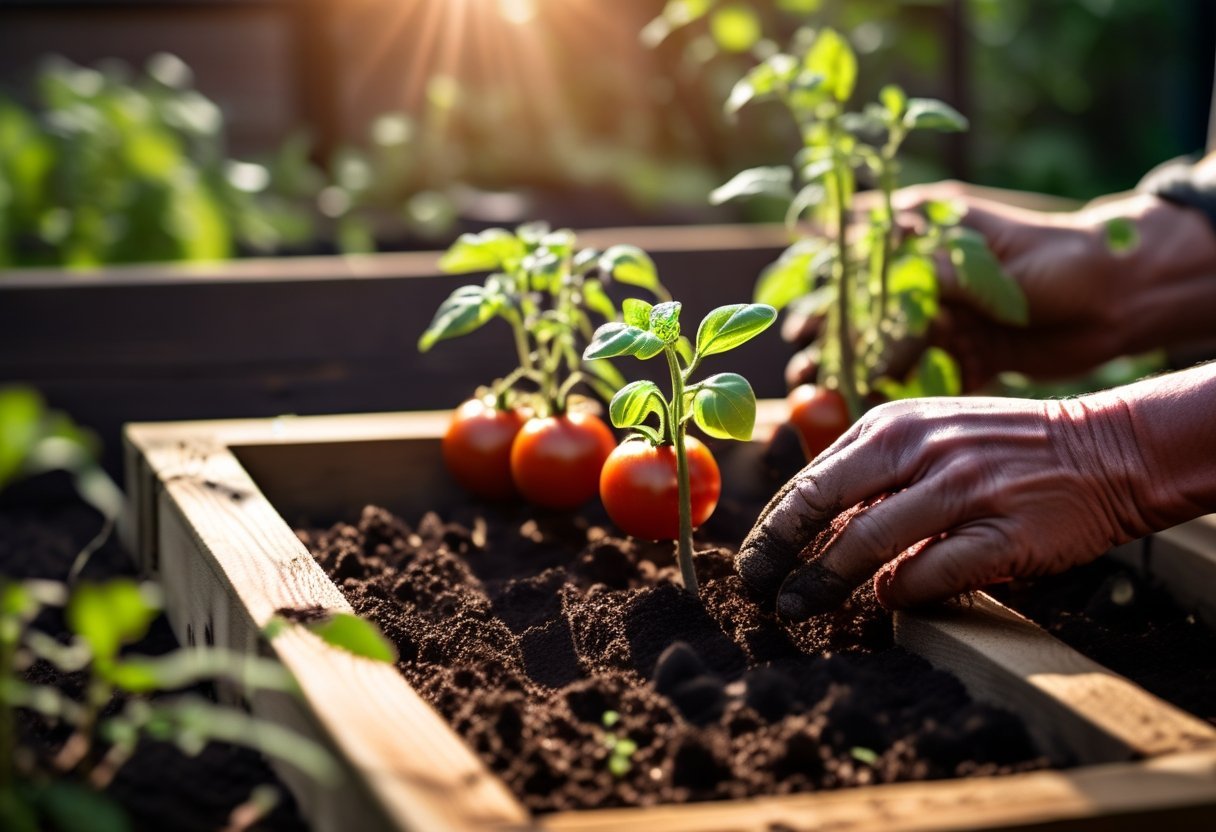
Vegetables need sunlight — most of them need a minimum of 6-8 hours of direct sun per day to produce well. Before you put a single seed in the ground, observe your yard or patio over the course of a full day and note which spots receive the most direct sunlight. The sunniest spot in your yard is almost always the right spot for a vegetable garden.
Access to water is the second major consideration. Placing your garden too far from a hose makes consistent watering much harder to maintain.
Step 3: Build Healthy Soil First
More vegetable garden failures come from poor soil than from any other single cause. The solution for most beginners is a complete guide to raised bed gardening filled with a high-quality premixed garden soil.
A reliable raised bed mix is: 60% topsoil or commercial garden soil, 30% start composting at home, and 10% coarse perlite or vermiculite for drainage. The Miracle-Gro Raised Bed Soil available at most garden centers provides a good ready-made base. Add a 2-inch layer of compost to the top of your soil at the start of each growing season.
Step 4: Choose Beginner-Friendly Crops
These vegetables are reliably productive, forgiving of beginner mistakes, and satisfying to harvest:
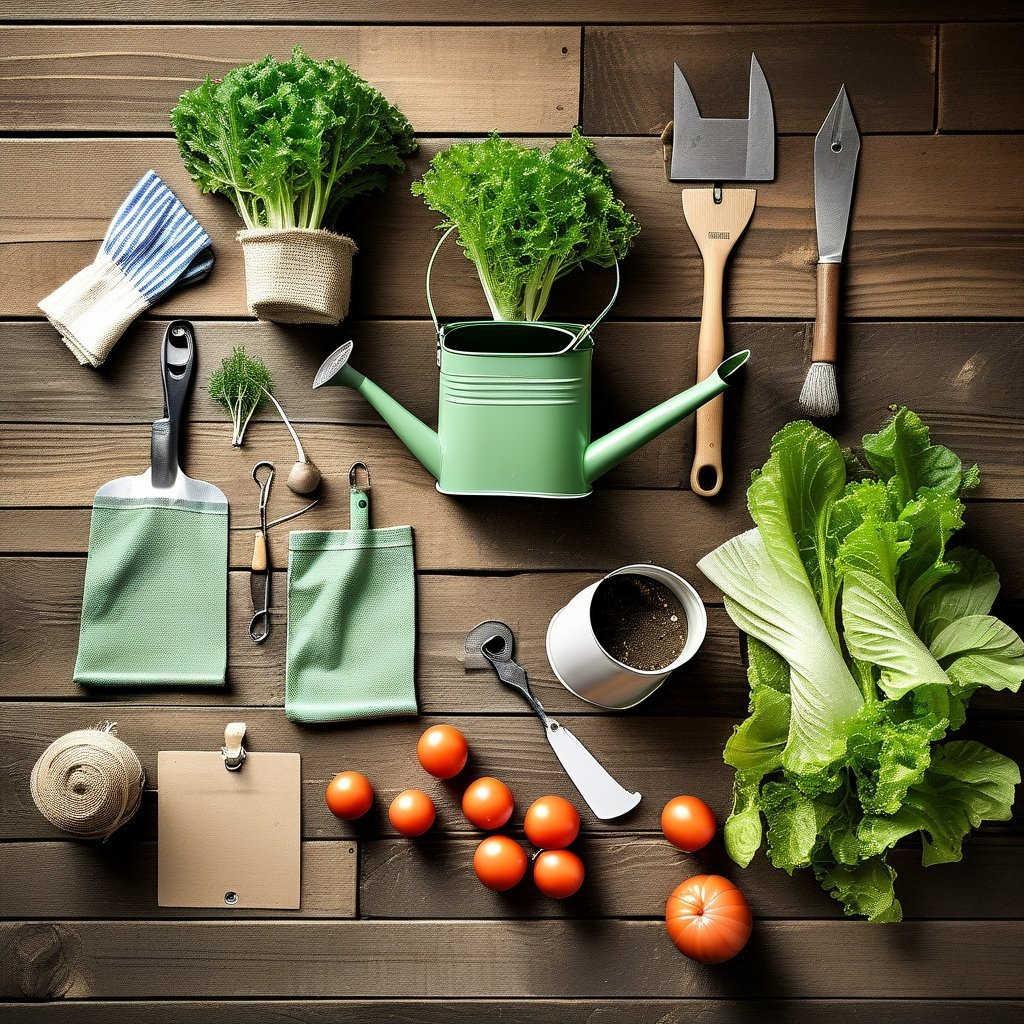
- Cherry tomatoes — more forgiving than large tomatoes, prolific producers
- Zucchini — grows aggressively and produces heavily with almost no intervention
- Green beans (bush variety) — no staking required, fast-maturing
- Lettuce and salad greens — grow quickly, can be harvested repeatedly
- Radishes — ready in as little as 25 days, perfect for impatient gardeners
- Basil and other herbs — low-maintenance, high-value, enormously useful in cooking
Step 5: Understand Watering Basics
Inconsistent watering is the number-one killer of beginner vegetable gardens. Most vegetables need about one inch of water per week, applied deeply and infrequently rather than shallowly and daily. Deep, infrequent watering encourages plant roots to grow deeper into the soil, making them more resilient during dry periods.
Water at the base of plants rather than overhead — wet foliage is a primary cause of fungal disease. Morning watering is ideal. The Rain Bird Drip Irrigation Kit is a beginner-friendly option that sets up in under an hour.
Step 6: Feed Your Plants Regularly
Vegetables are heavy feeders. Start with a slow-release granular fertilizer mixed into the soil at planting time, then supplement with a liquid fertilizer every two to three weeks once plants begin actively growing. For most vegetables, a balanced fertilizer works well until plants begin flowering and fruiting, at which point switching to a bloom fertilizer higher in phosphorus improves fruit production.
Step 7: Watch for Common Pests and Act Early
Walk through your garden every two to three days and look closely at both the tops and undersides of leaves. Catching an aphid infestation when it involves a dozen insects is dramatically easier than dealing with hundreds. Most common garden pests can be addressed with a strong spray of water from the hose or an application of neem oil spray.
The Most Important Thing
Start. Do not wait for the perfect raised bed, the perfect soil mix, or the perfect time. The vegetable gardeners who succeed are not the ones with the most knowledge — they are the ones who started somewhere, learned from what happened, and came back the next season with a little more understanding. Your first garden will teach you more than any article can. For more ideas, explore our gardening tips.