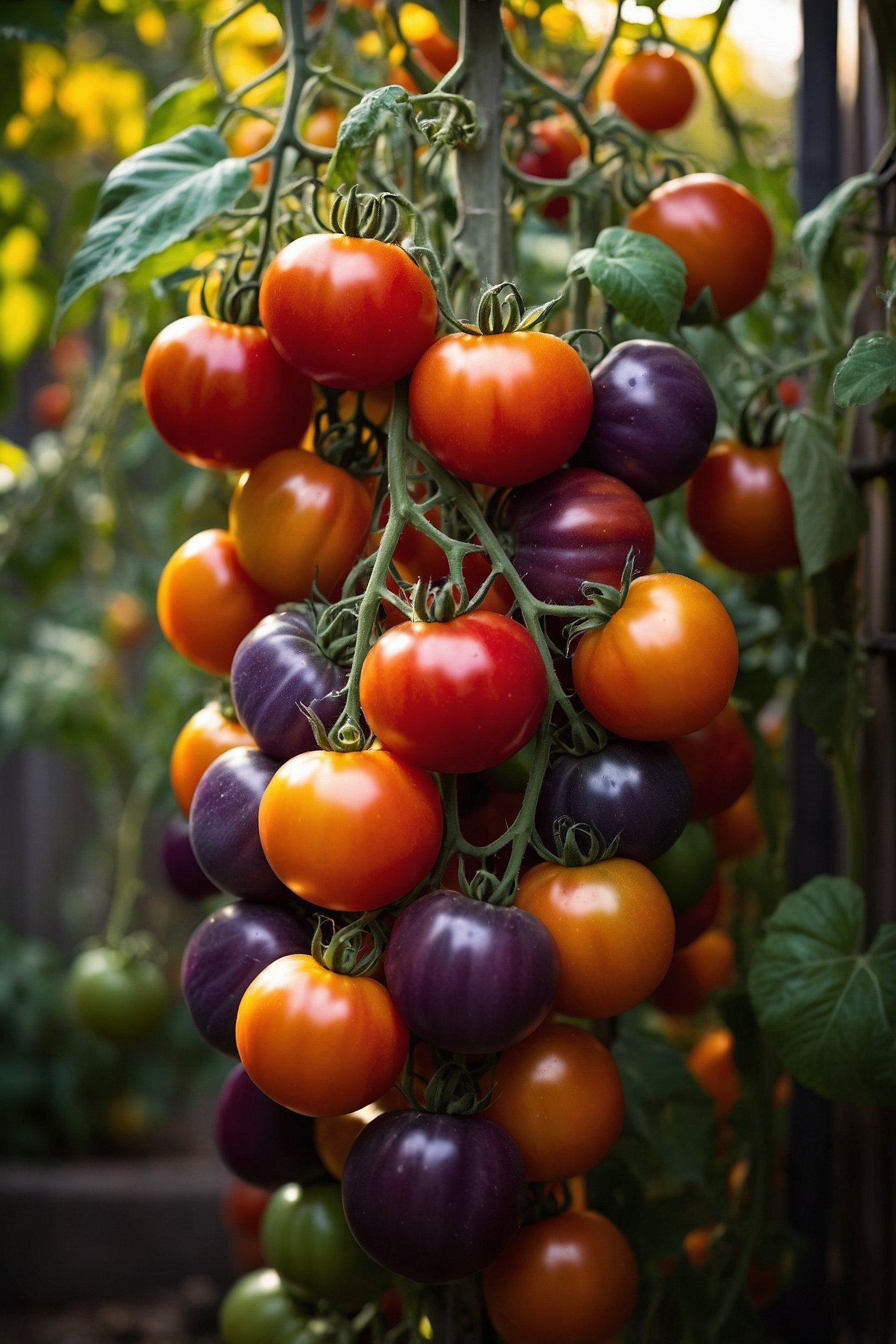
If you have ever bitten into a grocery store tomato and felt genuinely disappointed, you are not imagining things. Commercial tomatoes are bred for shelf life, uniform shape, and the ability to survive long-distance transport — not for flavor. They are picked green and gassed with ethylene to ripen artificially, which means the sugars, acids, and aromatic compounds that make a tomato taste like a tomato never fully develop. Homegrown tomatoes are a completely different food. Picked at peak ripeness, grown in soil you have amended yourself, and eaten within hours of harvest — they are the reason people get obsessed with gardening.
Choosing the Right Variety: Heirloom vs. Hybrid
The single biggest flavor decision you will make happens before you ever put a seed in the ground. Hybrid tomatoes are bred for consistency and disease resistance. They are reliable, but they often sacrifice depth of flavor. Heirloom varieties have been selected over generations specifically for taste. The Survival Garden starting seeds indoors Heirloom Tomato Seed Collection includes varieties like Brandywine, Cherokee Purple, and Black Krim — each with a distinct flavor profile ranging from sweet and mild to rich and almost smoky. Growing three or four varieties at once teaches you what you actually prefer and keeps the harvest interesting all season long.
Sun and Soil: Getting the Foundation Right
Tomatoes need a minimum of six to eight hours of direct sunlight daily — sugar development in tomatoes is directly tied to photosynthesis. Soil quality matters just as much. If you are growing in containers, avoid generic all-purpose potting mix. The FoxFarm Ocean Forest Potting Soil Mix is specifically formulated for vegetables and contains earthworm castings, bat guano, and forest humus that feed plants throughout the season.
Watering Consistency: The Key to Preventing Blossom End Rot and Cracking
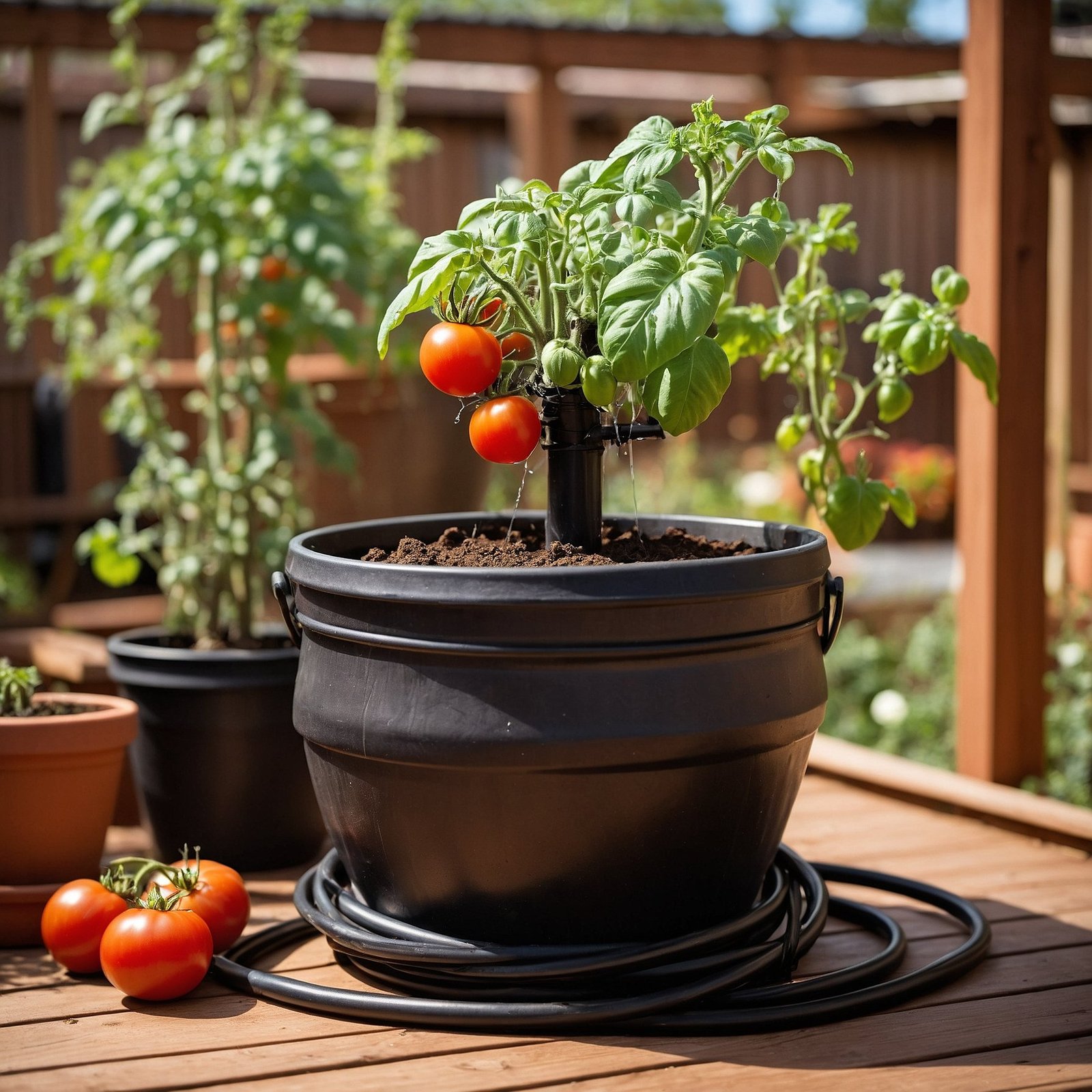
Inconsistent watering is the number one mistake home gardeners make with tomatoes, causing blossom end rot and fruit cracking. Blossom end rot — that dark, sunken patch on the bottom of your tomatoes — looks like a disease but is actually a calcium deficiency caused by irregular watering. The Flantor Garden Irrigation System Drip Kit can be set up in an afternoon and delivers water directly to the root zone on a timer — completely eliminating the inconsistency problem. The Bonide Rot-Stop Tomato Blossom End Rot Spray delivers calcium in a form that plants can absorb quickly through both leaves and roots.
Pruning Suckers: The Step Most Beginners Skip
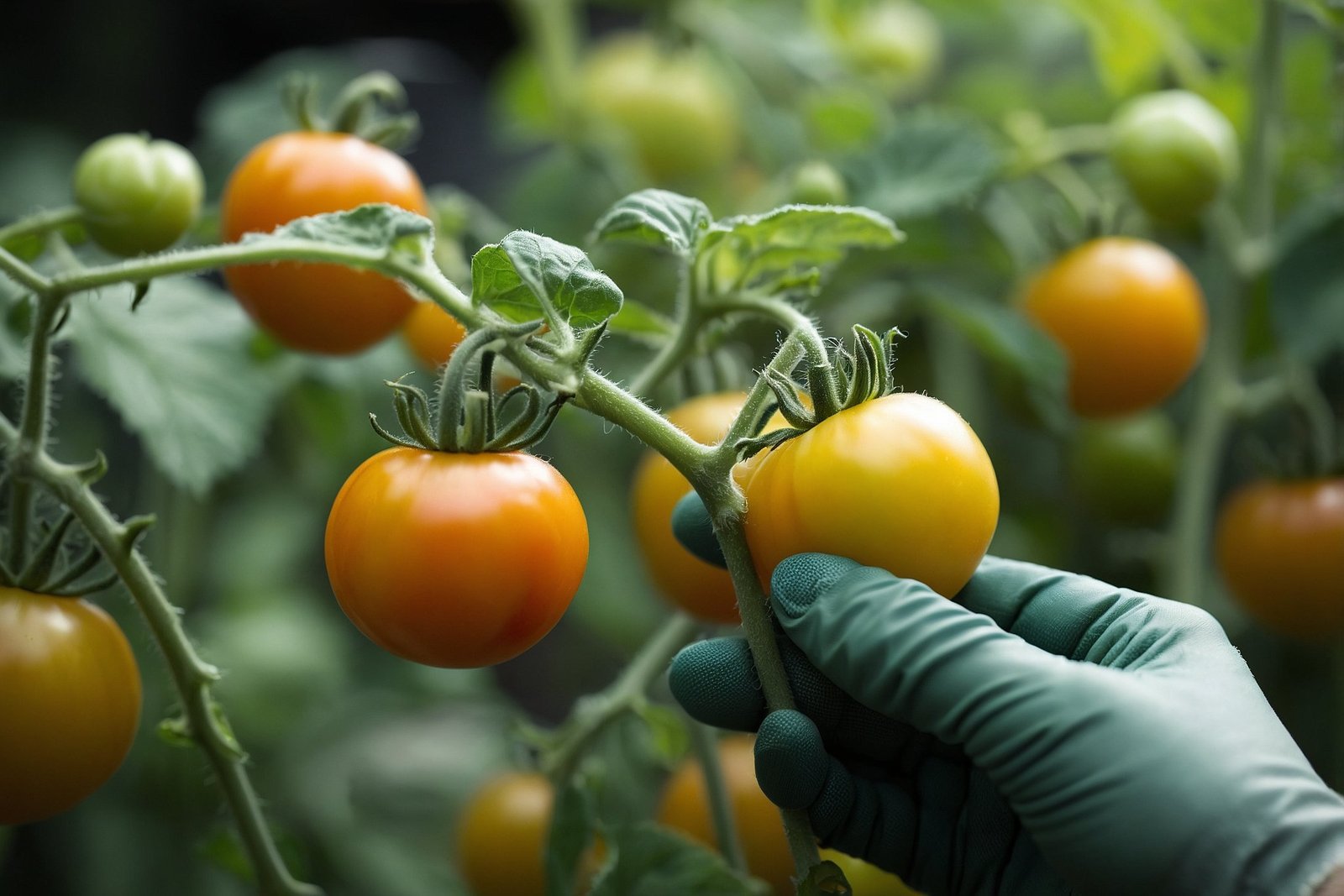
A tomato sucker is the small shoot that grows in the junction between a main stem and a branch. Left alone on indeterminate varieties like Brandywine, each sucker becomes a full branch — resulting in a massive, sprawling plant that puts more energy into foliage than into ripening fruit. Pinching out suckers keeps the plant focused on two or three main stems, improves airflow, and speeds up fruit ripening. Use clean scissors or simply snap them off with your fingers when they are small.
Staking and Support: Do Not Skip This
An unsupported tomato plant will sprawl across the ground, increasing disease risk. Standard wire cages sold at big box stores collapse under the weight of a full-grown plant. Instead, invest in the Gardener’s Blue Ribbon Ultomato Tomato Plant Cage — adjustable, reusable, and strong enough to support even large heirloom varieties through the entire season. Install your support system at planting time, not after the plant has already grown.
When to Harvest for Maximum Flavor
Many gardeners pick tomatoes the moment they turn red, but flavor continues developing for several more days. The best test is a gentle squeeze — a ripe tomato yields slightly to pressure but does not feel soft. The smell test is also reliable: a ripe tomato smells like a tomato even before you cut it. Once harvested, store tomatoes at room temperature — cold temperatures destroy volatile compounds responsible for flavor and turn the flesh mealy within a day or two.
Final Thoughts
Growing tomatoes that actually taste good is entirely achievable for any home gardener, even with a single container on a balcony. Start with the right heirloom seed varieties, give plants what they need in terms of sun, soil, and consistent water, and pay attention to pruning, support, and harvest timing. Once you taste the difference, going back to grocery store tomatoes becomes nearly impossible. For more inspiration, browse our gardening guides. For more ideas, explore our gardening tips.