
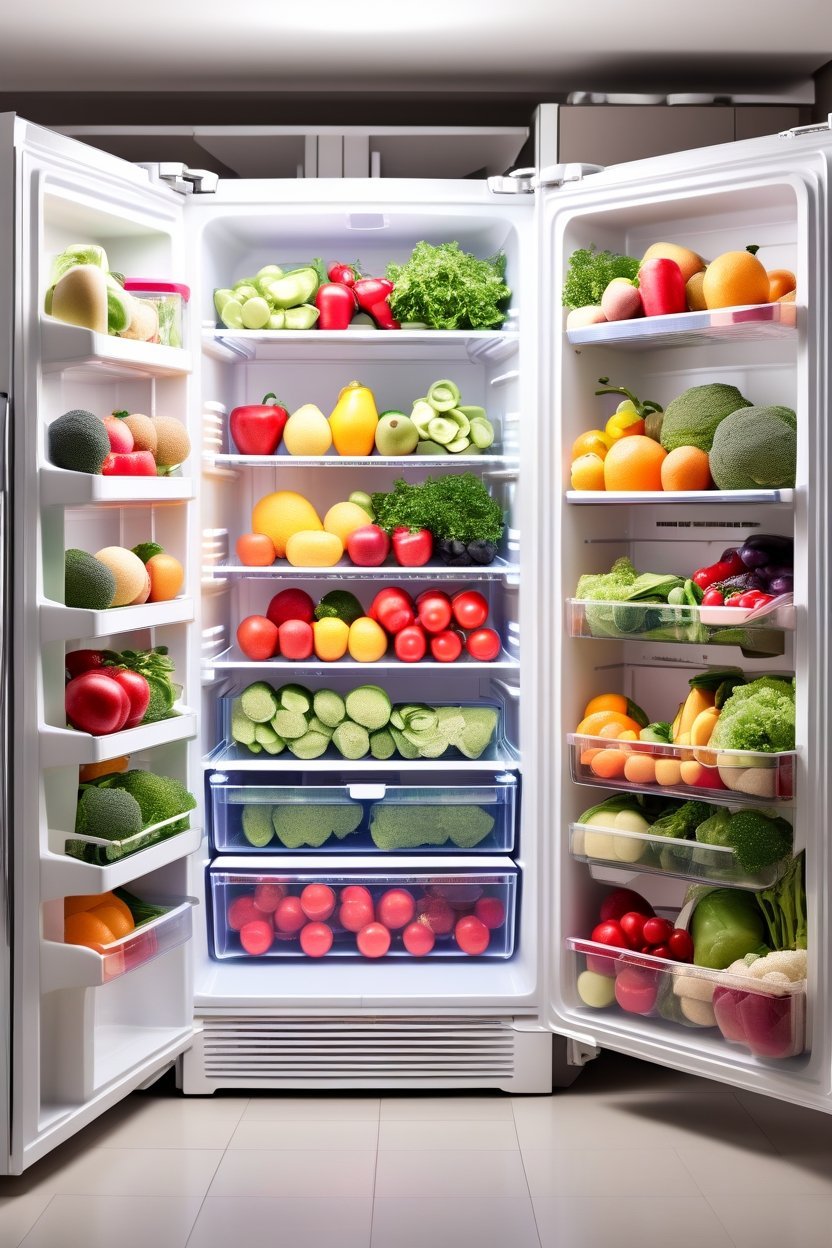
The refrigerator is one of the most used appliances in your home and one of the least cleaned. Most people wipe up obvious spills when they happen, but a true refrigerator deep clean your bathroom — pulling everything out, cleaning every shelf and drawer, and deodorizing completely — happens far too rarely. The good news: it’s easier than it sounds, and the result is a fridge that keeps food fresher longer and smells genuinely clean.
Plan to do a full deep clean your kitchen every three to four months, with a quick wipe-down of shelves monthly in between. Here’s exactly how to do it efficiently.
Before You Start: Prep and Purge
Take everything out and put it on the counter or in a cooler with ice. This is your chance to check expiration dates and throw away anything that’s past its prime — condiments especially tend to linger for years. Check the dates on everything. When in doubt, throw it out. A cleaner fridge is also a less-crowded fridge, and both things help food stay fresh longer.
The Best Cleaning Solution for a Refrigerator
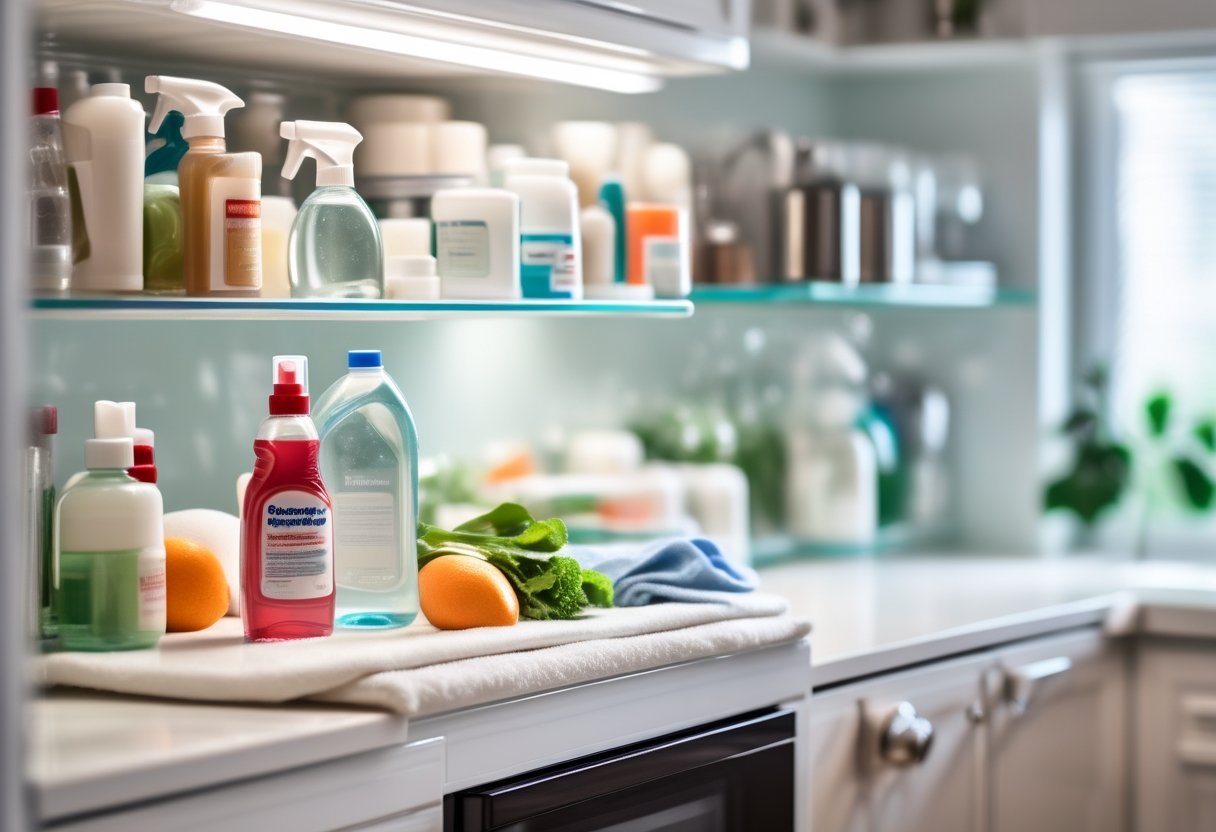
Skip harsh chemical cleaners inside your refrigerator — they can leave residues that contact your food. Instead, mix 2 tablespoons of baking soda and vinegar cleaning hacks with 1 quart of warm water. This solution is food-safe, effective at cutting through spills and sticky residue, and excellent at neutralizing odors. For stubborn stuck-on spills, make a paste of baking soda and a small amount of dish soap.
Remove and Wash All Shelves and Drawers
Take out all removable shelves, drawers, and door bins. Wash them in the sink with warm soapy water — don’t put cold glass shelves directly into hot water or they can crack. Let them warm up to room temperature first if they’ve been cold. Rinse thoroughly and let air dry while you clean the interior.
Clean the Interior Walls and Ceiling
Wipe down the interior walls, ceiling, and floor of the refrigerator with your baking soda cleaning hacks solution and a microfiber cloths guide cloth. Pay special attention to the corners and the area around the temperature controls where grime collects. For the gasket seal around the door — that rubber strip — use an old toothbrush dipped in the baking soda solution to clean the folds. A dirty gasket seal reduces efficiency and can harbor mold.
Don’t Forget the Freezer
If your freezer doesn’t have a frost-free function, now is a good time to defrost it if there’s buildup. Otherwise, wipe down the interior with the baking soda solution and check for anything that’s been in there too long — freezer burn is a real thing, and frozen food doesn’t last forever.
Clean the Exterior and Coils
Wipe down the exterior, including handles, the top, and the sides. For stainless steel, wipe with the grain using a microfiber cloth and a small amount of dish soap, then buff dry to prevent streaks. Once or twice a year, vacuum the condenser coils (usually at the back or bottom of the fridge) — dusty coils make the refrigerator work harder and use more energy.
Deodorize and Reload
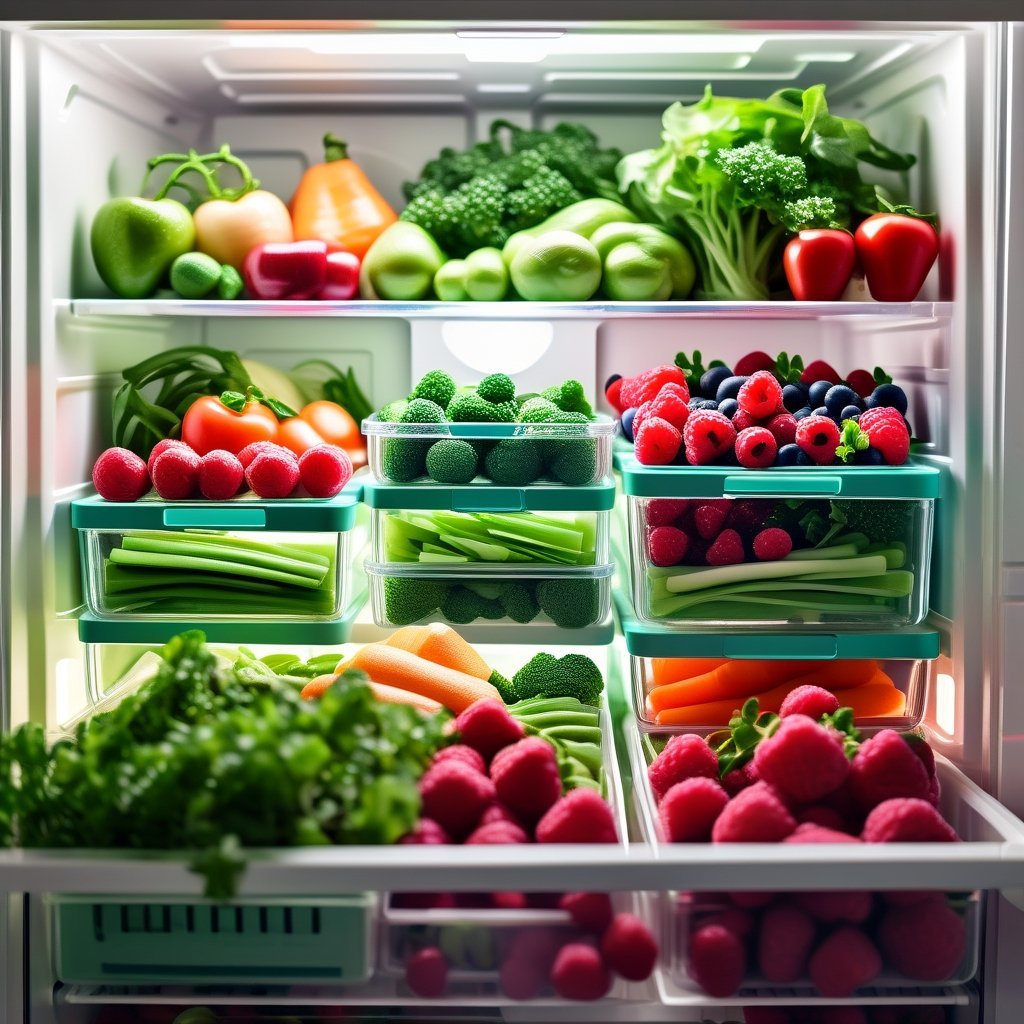
Before putting food back, place an open box of baking soda on a back shelf — it absorbs odors continuously and should be replaced every three months. Reload with intention: keep frequently used items at eye level, store raw meat on the lowest shelf, and keep the fridge at or below 40°F (4°C). A well-organized fridge reduces food waste and makes cooking infinitely easier.
A deep-cleaned refrigerator is one of those things that, once done, you’ll wonder why you waited so long. Food looks more appealing, smells are gone, and somehow cooking feels easier when your fridge is genuinely clean.