
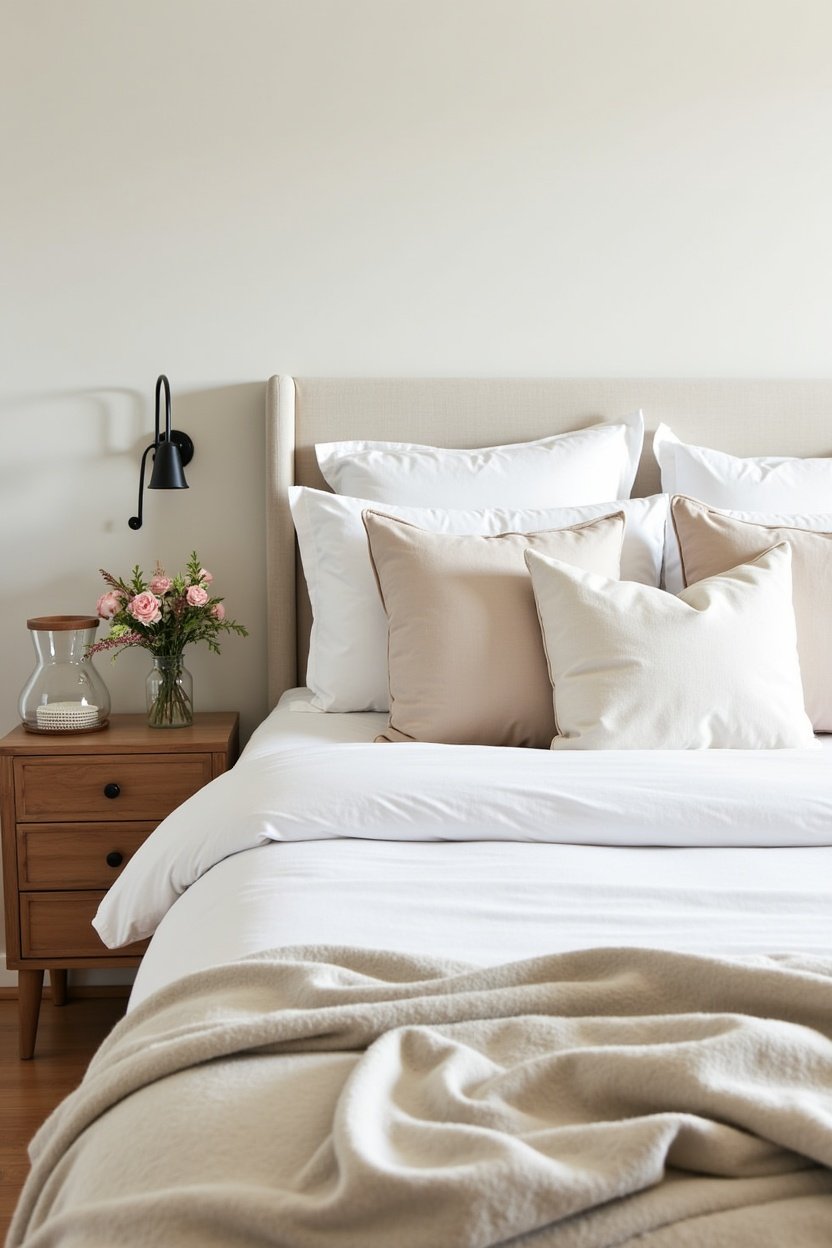
Why a Great Guest Room Is Worth the Effort
There’s a difference between giving someone a place to sleep and giving them a place that feels welcoming. A thoughtfully prepared guest bedroom tells your visitors something important: we’re glad you’re here. And the best part? Creating that feeling doesn’t require a huge budget or a spare room the size of a hotel suite. It requires attention to the details that actually matter to someone sleeping in an unfamiliar bed.
Whether you have a dedicated guest room or a multipurpose space that doubles as an office or playroom, these strategies will help you create a retreat your visitors will genuinely love — and maybe not want to leave.
Start With the Bed: It’s Everything
The bed is the single most important element in a guest room. Everything else is secondary. If the bed is comfortable, your guests will forgive a multitude of other shortcomings. If the bed is terrible, no amount of decorative pillows or fresh flowers will save the experience.
Start with the mattress. If your guest room mattress is an old hand-me-down that sags in the middle, it’s time to upgrade. You don’t need to spend thousands — a quality Medium-Firm Memory Foam Mattress in the mid-range price point will provide excellent support and comfort for most sleepers. Medium-firm works for the widest range of body types and sleeping positions.
Layer the bed generously. Start with a Waterproof Mattress Protector (a practical necessity that guests appreciate even if they never see it), then add quality fitted and flat sheets. Aim for at least 300-thread-count cotton percale or sateen — they feel noticeably better than budget sheets and signal that you’ve put thought into the experience.
Add a duvet or comforter with a washable cover, plus an extra blanket folded at the foot of the bed. Different guests have different temperature preferences, and having an extra layer available lets them customize their comfort without having to rummage through closets at 2 AM.
Pillows: provide at least two per guest — one firm and one soft. This simple touch lets each person choose what works for them. A Hotel-Quality Down Alternative Pillow Set in both firm and medium densities covers most preferences without breaking the bank.
Lighting That Actually Works for Guests
Guest room lighting needs to serve multiple purposes: bright enough for getting dressed and finding things, dim enough for relaxing before sleep, and accessible from the bed for late-night reading. Most guest rooms fail on at least one of these.
Every guest bed needs a bedside lamp with a switch that’s reachable from the pillow. This sounds obvious, but the number of guest rooms where the only light switch is across the room is staggering. If you can’t add a bedside lamp, a Rechargeable LED Touch Lamp is a brilliant alternative — it sits on any surface, turns on with a tap, and has adjustable brightness.
Consider the overhead lighting too. If the room has a harsh overhead fixture, swap the bulb for a warm-toned LED (2700K). A dimmer switch is even better, giving guests control over the ambiance. And make sure there’s enough light near the mirror or dresser for getting ready in the morning.
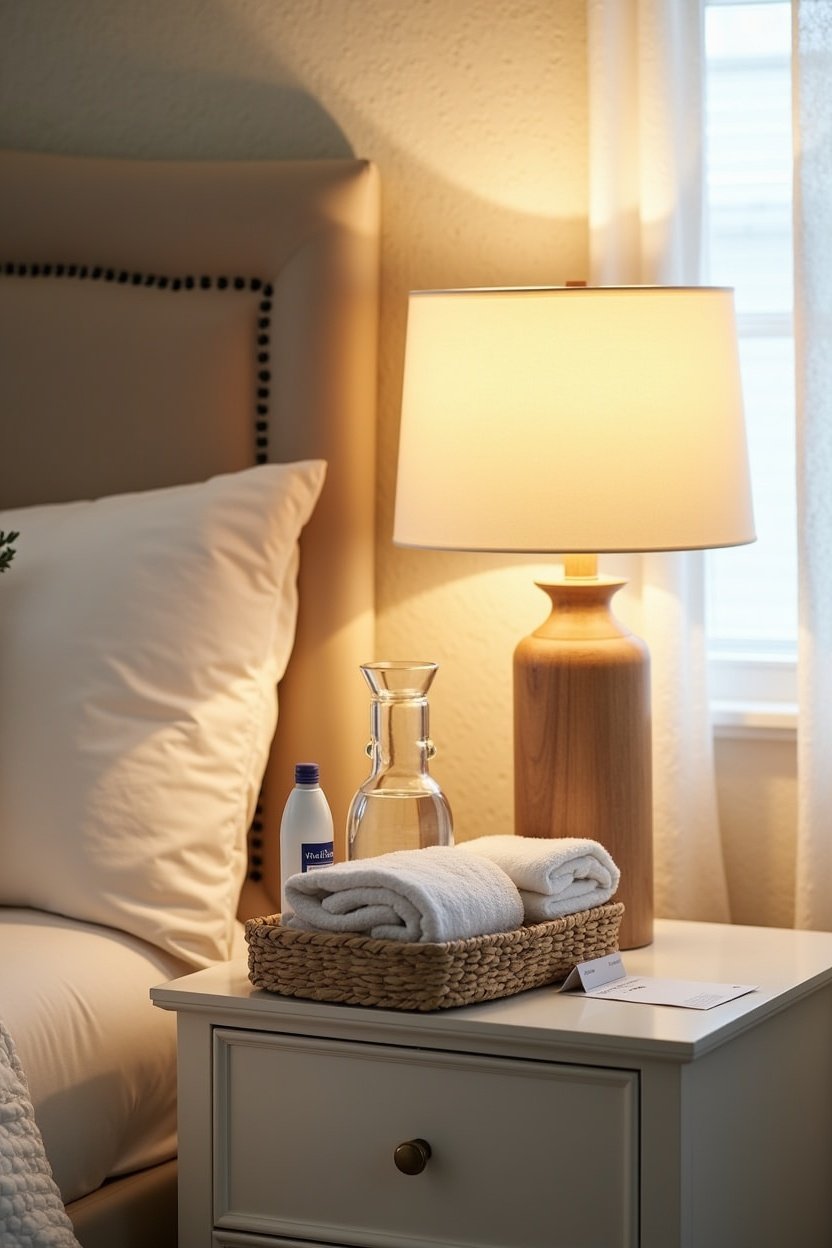
The Hotel Touch: Small Details That Make a Big Difference
What separates a good guest room from a great one? The small, thoughtful details that make guests feel cared for without being overwhelming. Here’s what hotels get right that most home guest rooms miss:
Fresh towels. Set out a full set of towels — bath towel, hand towel, and washcloth — folded or rolled neatly on the bed or a chair. This eliminates the awkward “where are the towels?” conversation. A Turkish Cotton Towel Set in white or a soft neutral feels luxurious and washes beautifully over time.
An empty drawer or shelf. Guests living out of a suitcase feel temporary. Clearing one dresser drawer and a section of the closet with a few empty hangers gives visitors a place to unpack and feel settled. It’s a small gesture that makes a multi-day stay dramatically more comfortable.
A luggage rack or bench. Having a designated spot to set a suitcase — rather than the floor or the bed — is one of those details that feels surprisingly civilized. A foldable luggage rack stores flat in a closet when not in use.
Toiletries basket. Put together a small basket with travel-sized essentials: toothpaste, a spare toothbrush, shampoo, conditioner, body lotion, and a few individually wrapped soaps. Guests always forget something, and having a backup saves them a drugstore run.
A water carafe and glass. Set a glass carafe of fresh water on the nightstand with a clean glass. This prevents midnight trips to an unfamiliar kitchen. Simple, elegant, and incredibly appreciated.
Temperature and Comfort Controls
Nothing ruins a night’s sleep faster than being too hot or too cold in a strange room. Since you can’t know every guest’s temperature preference, your job is to give them options.
Provide an extra blanket in an obvious, accessible location — folded on a shelf or draped over a chair. If the room tends to run warm, a small fan gives guests control over airflow without adjusting the whole house thermostat. If the room runs cool, a portable space heater (with an auto-shutoff timer for safety) can be a lifesaver during winter visits.
Blackout curtains or a good blackout roller shade are worth the investment. Guests might be on a different schedule than you, and being able to block morning light makes a real difference for quality sleep. If full blackout curtains aren’t an option, keep a Silk Sleep Mask in the bedside drawer as a thoughtful backup.
Making a Multipurpose Room Work as a Guest Room
Not everyone has the luxury of a dedicated guest room. If your guest space doubles as a home office, craft room, or workout area, the key is creating a clear visual and functional separation when guests arrive.
A folding screen or room divider can hide a desk and office supplies, creating the illusion of a dedicated bedroom. Investing in a high-quality sofa bed or a Murphy bed makes the dual-purpose room genuinely comfortable for sleeping — not just passable.
When guests are coming, spend 15 minutes doing a “guest reset”: clear personal items from visible surfaces, set out fresh towels and water, add the extra pillows and blanket, and remove anything work-related from the bedside area. The transformation doesn’t need to be complete — it just needs to signal that this space has been prepared for them.
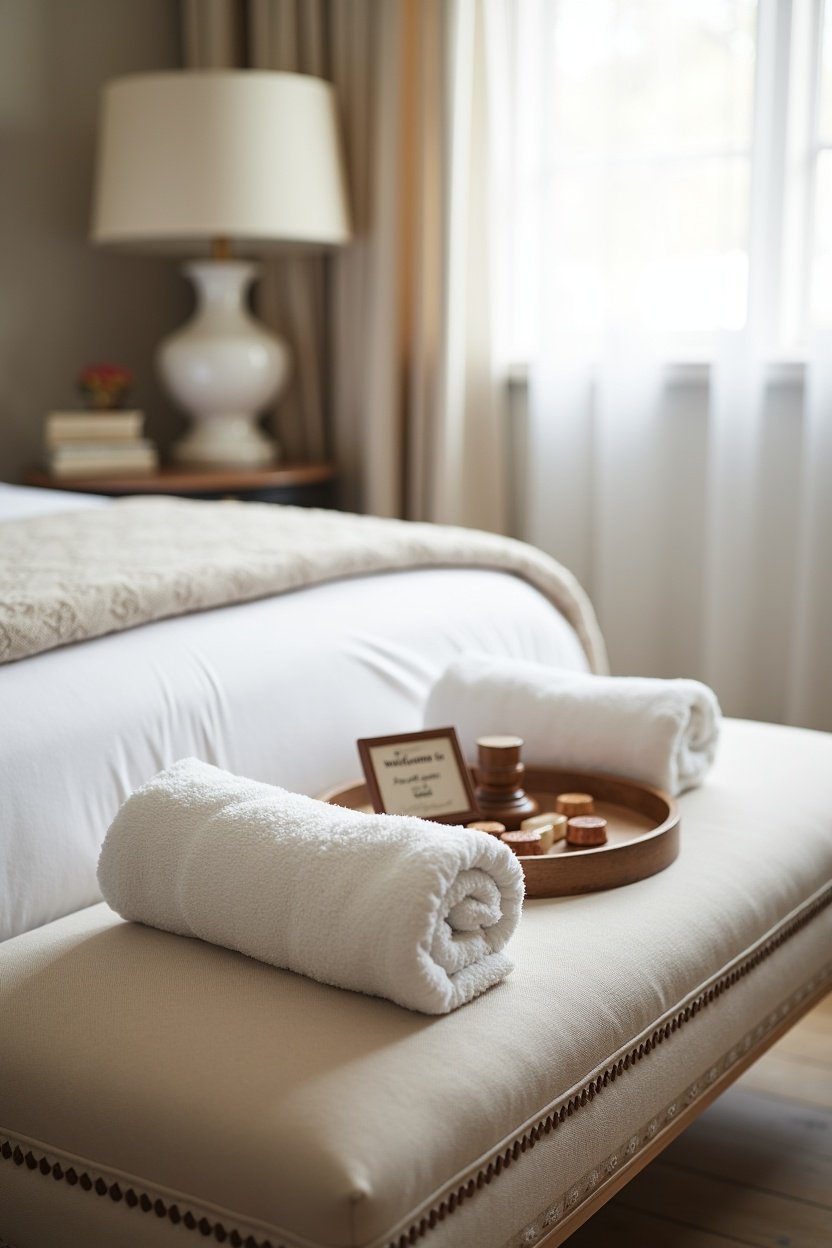
The Welcome Tray: A Simple Touch That Changes the Mood
One of the most impactful things you can do in a guest room takes about five minutes: create a small welcome tray on the dresser or nightstand. Include a few snacks (individually wrapped cookies, granola bars, or chocolates), a bottle of water, and a short handwritten note with the WiFi password, any house info they might need (thermostat location, coffee maker instructions, alarm code), and maybe a restaurant recommendation or two.
This single gesture communicates warmth, thoughtfulness, and hospitality more effectively than any amount of expensive decor. And it costs almost nothing.
A Pre-Arrival Checklist You Can Use Every Time
Keep this checklist saved on your phone so you can quickly prep the guest room before every visit:
- Fresh sheets and pillowcases (wash even if unused since last guest)
- Two pillows per guest (one firm, one soft)
- Extra blanket set out visibly
- Bedside lamp with reachable switch
- Fresh towel set on bed or chair
- One empty drawer and a few empty hangers
- Toiletries basket stocked
- Water carafe filled and glass set out
- WiFi password written down and visible
- Phone charger plugged in at the bedside
- Room temperature comfortable (test it yourself)
- Quick dust and vacuum the day before arrival
That’s it. A guest room doesn’t need to be magazine-perfect. It needs to feel like someone cared enough to think about what you’d need before you even arrived. Nail these fundamentals, and your guests won’t just be comfortable — they’ll feel genuinely welcome. And that’s what hospitality is really about.