Your Washing Machine Is Probably Disgusting — Here’s the Proof
You trust your washing machine to clean your clothes, your towels, your children’s pajamas. But here’s the uncomfortable truth: that appliance working so hard on your behalf is almost certainly harboring a thriving colony of bacteria, mold, and a slimy substance called biofilm that most people never think about until the smell becomes impossible to ignore. Biofilm is a microscopic layer of bacteria that adheres to surfaces inside your machine — the drum, the hoses, the gasket, the detergent drawer. It feeds on the residue left behind by detergent, fabric softener, body soil, and the warm, damp environment that never fully dries between cycles. Studies have found antibiotic-resistant bacteria including E. coli living inside residential washing machines. If your laundry hacks that actually work comes out smelling musty even fresh from the wash, biofilm is the likely culprit.
Front-Loader vs. Top-Loader: Why the Method Differs
Front-loading washing machines are significantly more prone to mold and mildew problems than top-loaders. The horizontal drum design means water pools at the bottom of the door seal after every cycle, and the tight rubber gasket creates warm, dark folds where mold grows aggressively. Many front-loader owners discover black mold in the gasket the first time they pull it back to look. Top-loading machines accumulate detergent and mineral deposits around the agitator, beneath the drum lip, and in the fabric softener dispenser.
Step 1: Run a Drum Cleaning Cycle
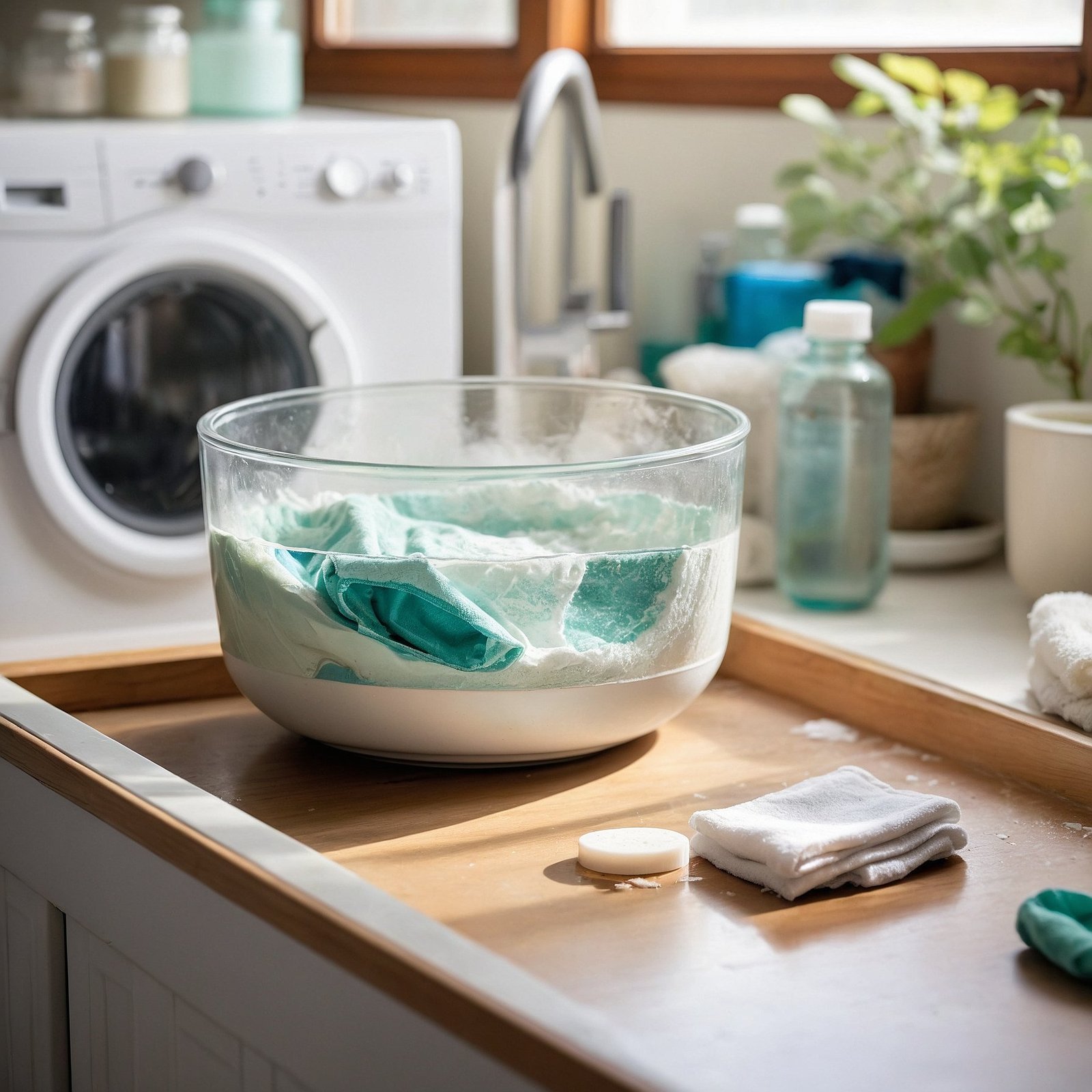
The single most effective thing you can do for a washing machine is run a dedicated cleaning cycle with the right product. Affresh Washing Machine Cleaner Tablets were specifically formulated to dissolve slowly through a wash cycle, targeting the biofilm and residue buildup that regular detergent leaves behind. Drop one tablet directly into the drum — not the dispenser — and run the hottest, longest cycle your machine offers. For machines with particularly heavy buildup, follow up with a second cycle using two cups of plain white natural cleaning with baking soda and vinegar — look for Lucy’s Family Owned Natural Distilled White Vinegar, which comes in a large format ideal for cleaning use.
Step 2: Scrub the Gasket (Front-Loaders Only)
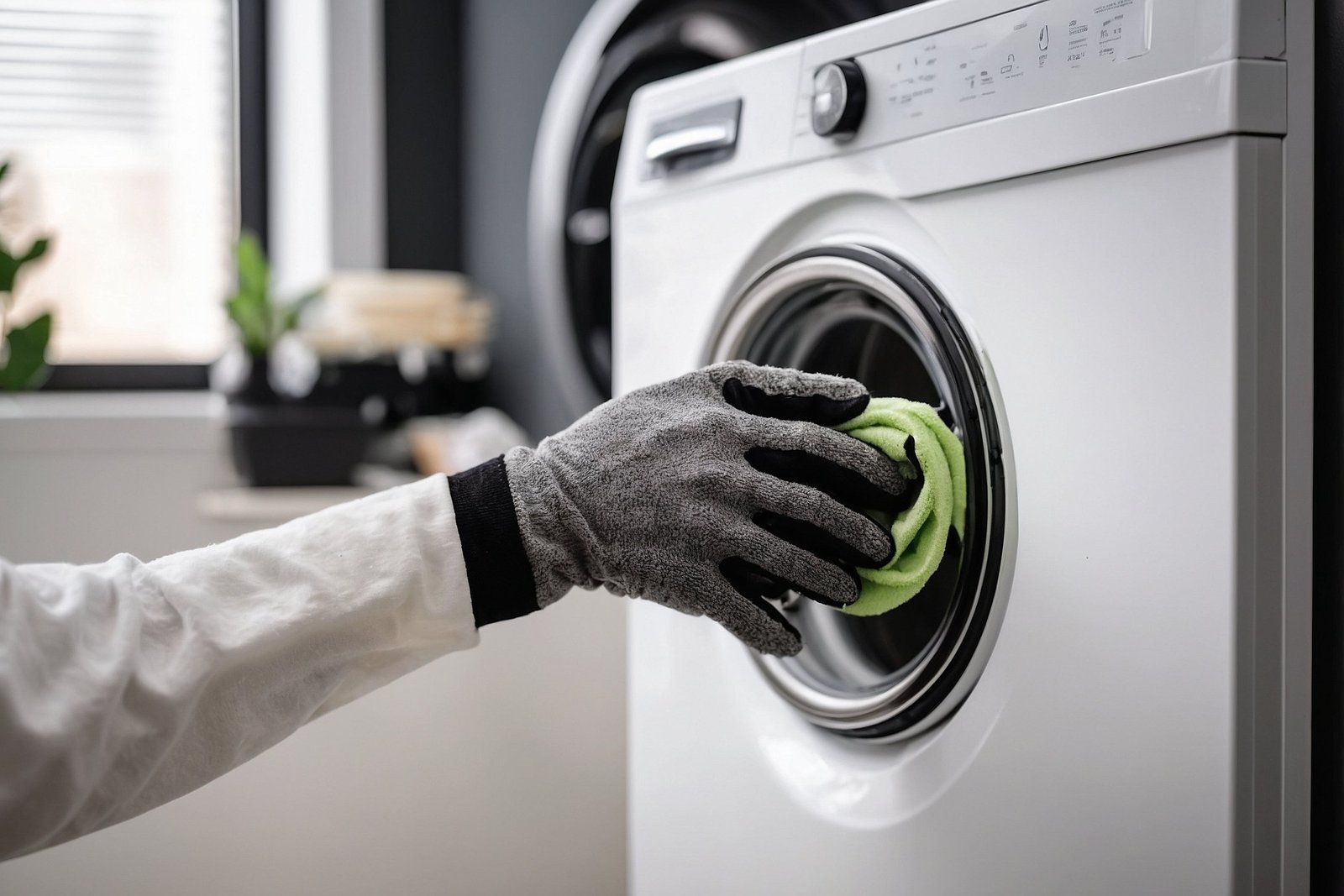
Pull back the rubber door gasket and look inside the folds. You will likely find hair, lint, standing water, and in many cases — dark mold. Mix one part bleach with one part water, or use undiluted white vinegar cleaning hacks for a gentler approach. For stubborn buildup in hard-to-reach folds, a Hiware Washing Machine Cleaning Brush with a slim, flexible head reaches into crevices that a flat cloth cannot. For the drum and interior surfaces, a MR.SIGA microfiber cloths guide Cleaning Cloth works well — the microfiber grabs and removes residue rather than just spreading it around. Dry the gasket thoroughly when you are done.
Step 3: Clean the Detergent Drawer
Pull the detergent drawer out completely. Detergent drawers accumulate a thick, gummy residue of undissolved powder detergent, congealed liquid soap, and moldy buildup in the water inlet holes. Soak the drawer in hot water for 15 minutes to loosen buildup, then scrub with an old toothbrush or cleaning brush. Pay particular attention to the small rubber flap inside and the spray holes at the top of the drawer housing. Rinse thoroughly and dry before reinserting.
Step 4: Wipe Down the Exterior and Control Panel
While the drum cycle runs, wipe down the exterior of the machine. The control panel knobs and buttons trap grime. A damp microfiber cloth handles all of this easily without the risk of moisture damage from spraying cleaning products directly onto electronics.
For Heavy Buildup: OxiClean as an Alternative
If you are dealing with a machine that has not been cleaned in a long time, OxiClean Washing Machine Cleaner with Odor Blasters uses oxygen-based cleaning action that is particularly effective on odor-causing bacteria and the organic residue that causes that persistent musty smell.
Your Monthly Maintenance Routine
After every front-loader cycle, leave the door ajar to allow the drum and gasket to dry completely — this single habit prevents the vast majority of mold problems. Once a month, run one Affresh tablet through a hot cleaning cycle. Once a month, wipe down the gasket with a vinegar-dampened cloth even if it looks clean. Use the minimum recommended amount of HE detergent — more soap means more residue inside your machine, not cleaner clothes.
The Result: Genuinely Clean Laundry
After cleaning your washing machine properly for the first time, most people notice an immediate difference in how their laundry smells. Towels smell fresh rather than vaguely damp. Workout clothes lose that persistent sour odor. Fifteen minutes of attention once a month is all it takes to make sure your machine is actually cleaning your clothes rather than adding to the problem. For more inspiration, browse our cleaning hacks.