
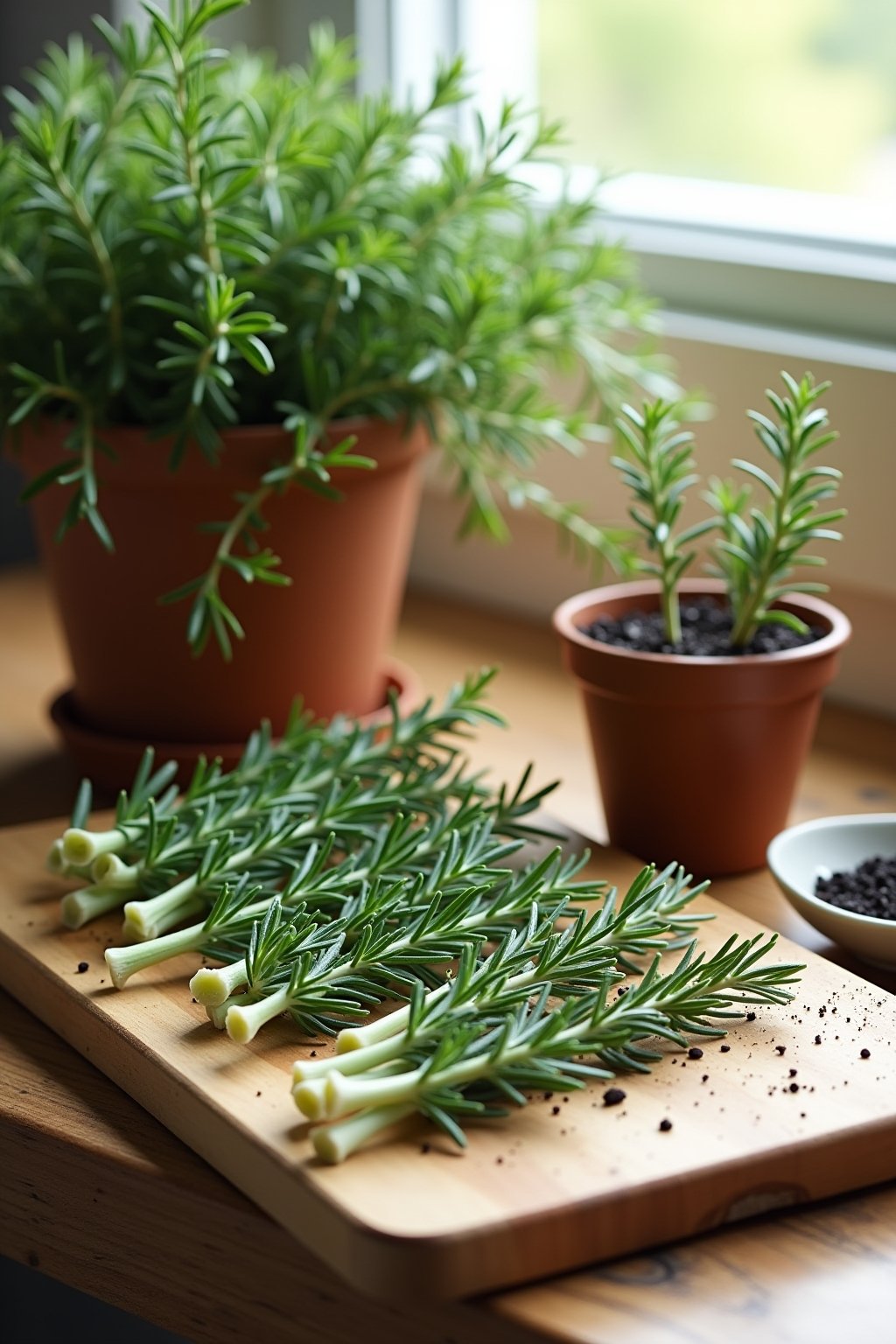
Rosemary is one of the most useful herbs in any kitchen — it adds incredible flavor to roasted meats, potatoes, bread, and Mediterranean dishes. And the best part is that you can grow unlimited rosemary plants for free by taking cuttings from an existing plant.
Propagating rosemary from cuttings is surprisingly easy and has a much higher success rate than growing from seed (which is slow and unreliable). One healthy rosemary plant can provide dozens of cuttings, each of which will root in 3-4 weeks and grow into a full-sized plant. Here is the simple step-by-step process.
Quick Facts
| Sun | Full Sun (6-8 hours) |
| Difficulty | Beginner |
| Season | Take cuttings in spring or early summer |
| Zone | USDA Zones 7-10 outdoors (all zones in containers) |
| Time to Harvest | 3-4 weeks for roots, 2-3 months to a usable plant |
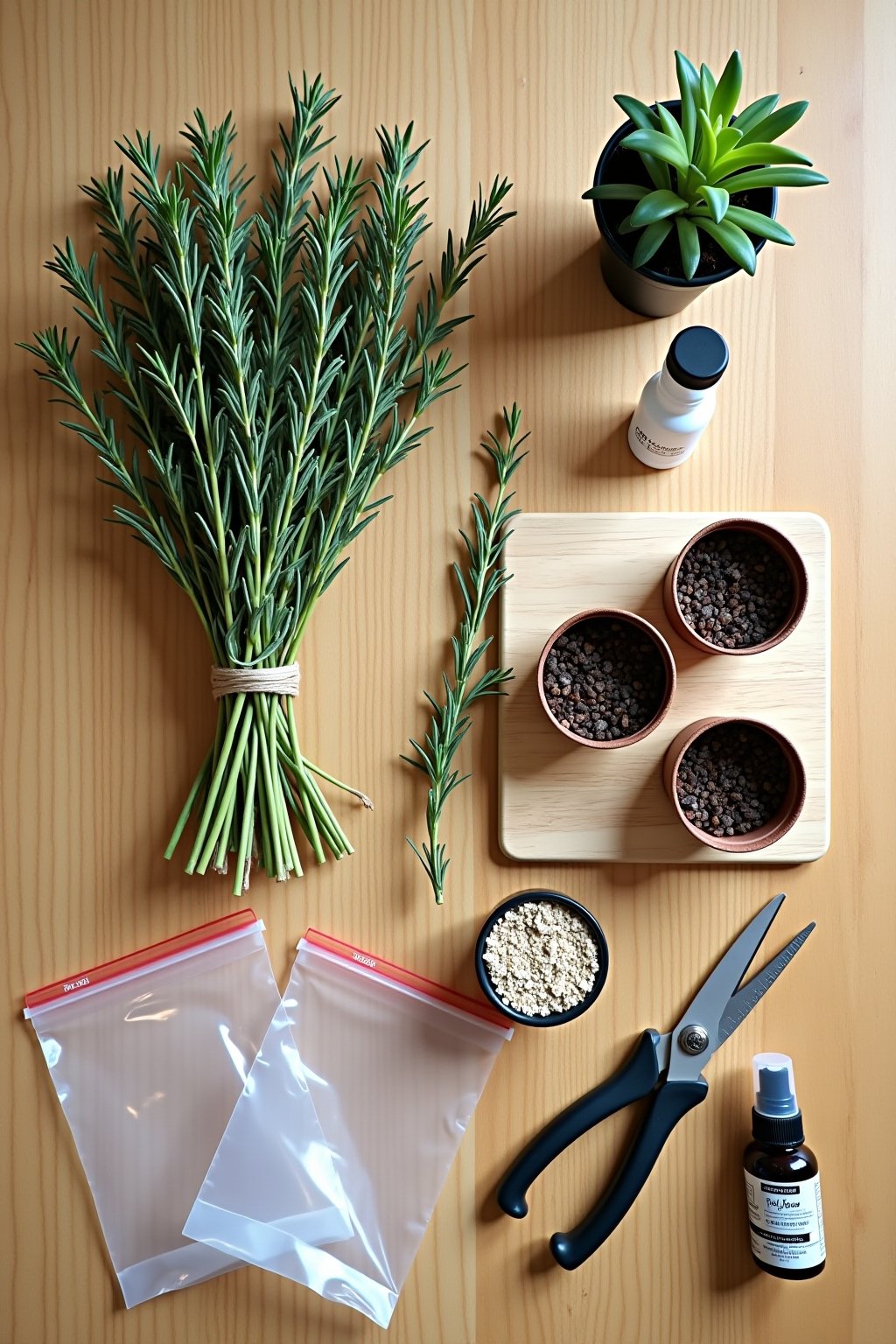
What You Need for How to Grow Rosemary From Cuttings (Easy Propagation Guide)
- Healthy rosemary plant (source for cuttings)
- Sharp scissors or pruning shears
- Small pots (3-4 inch) with drainage
- Seed starting mix or perlite/vermiculite blend
- Rooting hormone powder (optional but improves success rate)
- Clear plastic bags or humidity dome
- Spray bottle for misting
Take cuttings from healthy new growth — look for stems that are green and flexible, not old woody brown stems. Spring and early summer cuttings root fastest because the plant is actively growing.
Rooting hormone is optional but increases success rate from about 60% to 90%. It’s inexpensive and available at any garden center. The powder form is easiest to use with rosemary cuttings.
Use well-draining rooting medium — pure perlite, vermiculite, or a 50/50 perlite-peat mix drains fast and prevents the rot that kills cuttings in regular potting soil.
Step 1: Select and Cut the Right Stems
Choose healthy, non-flowering stems with fresh green growth — avoid old woody brown stems, which root poorly. The best cuttings are 4-6 inches long, taken from the tips of actively growing branches.
Make a clean cut just below a leaf node (the point where leaves attach to the stem) using sharp, clean scissors. Strip the leaves from the bottom 2 inches of the cutting, leaving leaves only on the top half. These exposed nodes are where roots will emerge.
Step 2: Apply Rooting Hormone (Optional but Recommended)
Dip the stripped bottom end of the cutting into rooting hormone powder, tapping off any excess. The hormone contains auxins that stimulate root cell growth and significantly speed up the rooting process.
Without rooting hormone, rosemary cuttings still root — just more slowly and with a lower success rate (about 60% vs 90% with hormone). Either way, take more cuttings than you need as insurance. 10 cuttings will give you 6-9 rooted plants.
Step 3: Plant in Well-Draining Medium
Fill small pots with pre-moistened perlite, vermiculite, or seed starting mix. Make a hole with a pencil, insert the cutting about 2 inches deep (up to where the leaves start), and gently firm the medium around the stem.
Place 3-4 cuttings per 4-inch pot if you want to maximize space. Water gently and cover with a clear plastic bag or humidity dome to maintain high humidity while roots develop. Poke a few small holes in the bag for air circulation.
Step 4: Provide Warmth, Light, and Humidity
Place the cuttings in a bright spot with indirect light — direct sun under a humidity dome can cook the cuttings. A bright windowsill or under a grow light works perfectly. Bottom heat from a heat mat speeds rooting but isn’t essential.
Mist the cuttings daily and keep the rooting medium consistently moist but not soaking wet. Open the humidity dome for 30 minutes daily to allow air exchange and prevent mold. Roots typically form in 3-4 weeks.
Step 5: Check for Roots and Transplant
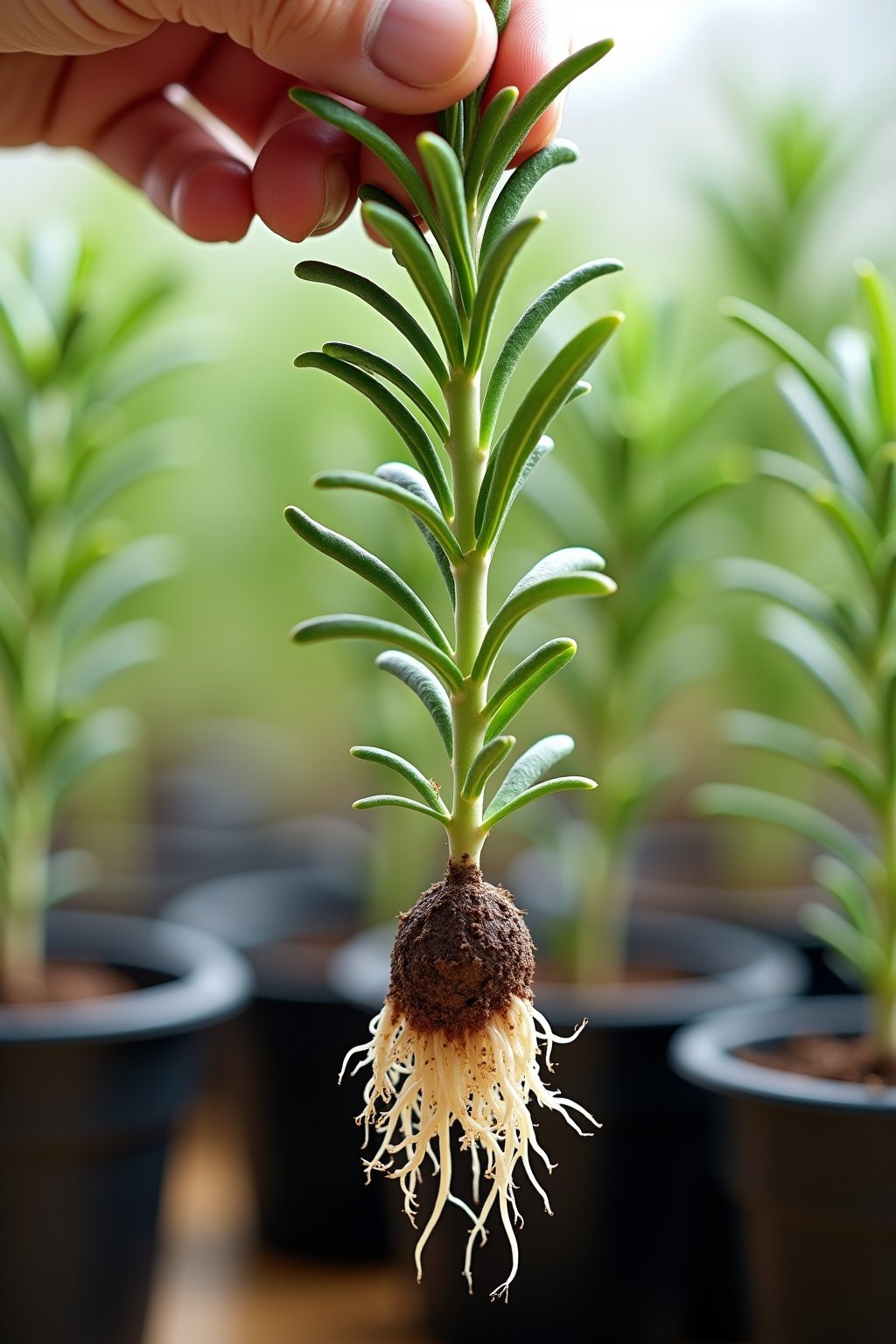
After 3-4 weeks, gently tug on a cutting. If you feel resistance, roots have formed. You can also check by carefully tipping the pot and looking for white roots at the drainage holes.
Once roots are at least 1 inch long, transplant each rooted cutting into its own 4-6 inch pot with regular potting mix. Remove the humidity dome gradually over a week to acclimate the new plant to normal conditions. Begin treating it like a regular rosemary plant.
Step 6: Grow On and Enjoy Your New Rosemary Plants
Your new rosemary plants will grow slowly at first, then take off once roots are established. Place in full sun, water when the top inch of soil is dry, and don’t over-water — rosemary is Mediterranean and prefers slightly dry conditions between waterings.
Begin light harvesting once the plant reaches 6+ inches tall. Rosemary is a woody perennial that lives for many years and gets more productive and beautiful with age. Share extra plants with friends, use them as gifts, or line your patio with a row of fragrant rosemary.
Common Problems and How to Fix Them
Cuttings turning black at the base: Too much moisture causing stem rot. Use a faster-draining medium (pure perlite), reduce watering, and improve air circulation. Take fresh cuttings and try again.
Cuttings wilting: Low humidity. Make sure the humidity dome or plastic bag is in place. Mist daily. Cuttings without roots can’t take up water through the stem — they rely on humidity to stay hydrated.
No roots after 4 weeks: Old woody stems root very slowly. Take new cuttings from green, flexible growth. Use rooting hormone. Ensure the rooting medium stays warm (65-75°F).
Mold growing on soil surface: Too much moisture and not enough air. Open the humidity dome daily for 30 minutes. Remove any dead or moldy cuttings immediately so it doesn’t spread.
Seasonal Guide
Spring (Best time for cuttings): Take cuttings in April-May when plants are producing fresh green growth. This is the optimal time for fastest rooting.
Summer: Cuttings taken in June-July also root well. Keep rooting trays out of direct hot sun. Transplant rooted cuttings into individual pots.
Fall: Move potted rosemary indoors in cold climates before first frost. Established plants can handle light frost but container roots are more vulnerable.
Winter: Indoor rosemary needs the brightest possible window and cooler temperatures (50-65°F). Water sparingly. Rosemary struggles indoors more than most herbs — maximum light is key.
Expert Tips
- Take cuttings from green stems, not woody brown ones — new growth roots dramatically faster and more reliably than old woody stems.
- Use pure perlite as rooting medium — it drains instantly and almost eliminates the stem rot that kills cuttings in soil-based mixes.
- Take more cuttings than you need — even with rooting hormone, expect 60-90% success rate. Starting with 10 cuttings ensures you get 6-9 plants.
- Mist daily but don’t overwater the medium — cuttings need humidity in the air but fast drainage below. The medium should be moist, never soggy.
- Don’t skip the hardening-off period — after roots form, remove the humidity dome gradually over a week. Sudden exposure to dry air shocks newly rooted cuttings.
- Rosemary prefers to be slightly dry — once transplanted, let the top inch of soil dry between waterings. Overwatering is the number one killer of rosemary plants.
Related Articles
Looking for more gardening guides? Check out these favorites:
- How to Grow Basil Like a Pro (Indoors and Outdoors)
- How to Start Seeds Indoors Under Lights (Step-by-Step)
Frequently Asked Questions
How long does it take for rosemary cuttings to root?
Rosemary cuttings typically root in 3-4 weeks under good conditions. Green, flexible new-growth cuttings root faster than old woody stems. Using rooting hormone speeds up the process. You’ll know roots have formed when the cutting resists a gentle tug.
Can I root rosemary in water?
Yes, rosemary can root in water, but it’s less reliable than using perlite or seed starting mix. Change the water every few days to prevent bacterial growth. Water-rooted cuttings need to be transitioned carefully to soil because the roots are more delicate than soil-rooted ones.
When is the best time to take rosemary cuttings?
Spring and early summer (April through June) when the plant is producing new green growth. This new growth roots much faster than old woody stems. Avoid taking cuttings when the plant is flowering — flowering stems put energy into flowers rather than root development.
Do I need rooting hormone for rosemary?
No, but it significantly improves success rate — from about 60% without to about 90% with. Rooting hormone is inexpensive and widely available. If you’re only taking a few cuttings, the improved success rate is worth the small cost.
Can rosemary survive winter outdoors in a pot?
In zones 7-10, yes — rosemary is evergreen and survives mild winters. In zones 6 and below, bring potted rosemary indoors to the brightest window available. Rosemary is more cold-hardy in the ground than in containers because container roots are more exposed to freezing temperatures.
How big does rosemary get?
In the ground in warm climates, rosemary can reach 4-6 feet tall and wide. In containers, it typically stays 2-3 feet. There are also prostrate (trailing) varieties that grow low and wide, perfect for hanging baskets or trailing over walls.