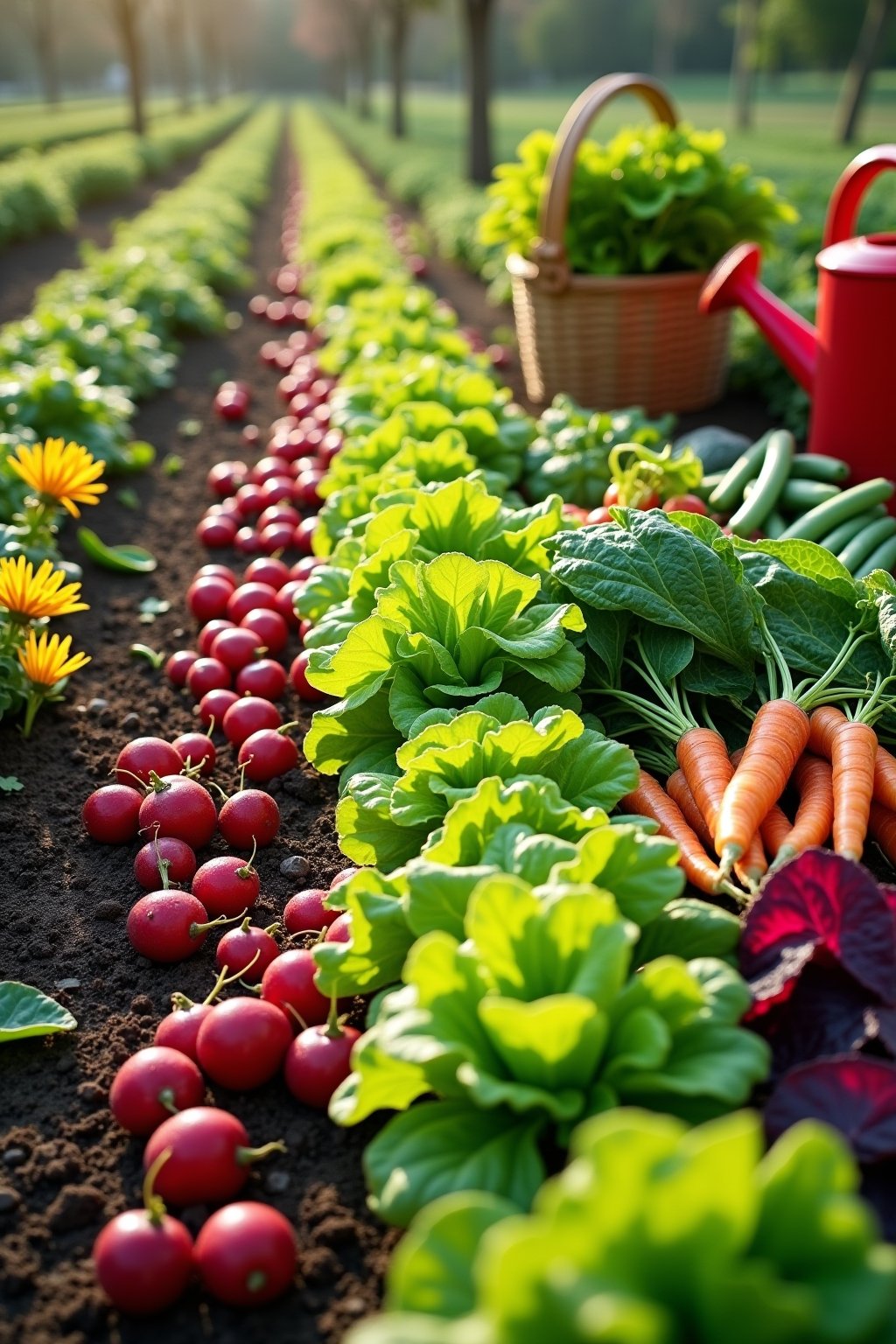
There is something incredibly satisfying about planting a seed and eating what it becomes just a few weeks later. If you are the kind of gardener who checks on seedlings every morning (guilty!), fast-growing vegetables are going to be your new obsession. These are the crops that reward impatient gardeners with quick, tangible results — and they are perfect for spring planting.
Whether you are brand new to vegetable gardening or looking to fill gaps between slower-growing crops, these 10 vegetables go from seed to harvest in under 60 days. I grow all of them every single spring, and they keep my kitchen stocked with fresh produce while my tomatoes and peppers are still warming up. Let me walk you through each one with planting tips, timelines, and the tricks I have picked up along the way.
Quick Facts
| Sun | Full Sun to Partial Shade (varies by crop) |
| Difficulty | Beginner |
| Season | Spring (most tolerate light frost) |
| Zone | USDA Zones 3-10 |
| Time to Harvest | 20-60 days depending on crop |
What You Need for 10 Fast-Growing Vegetables You Can Harvest in Under 60 Days This Spring
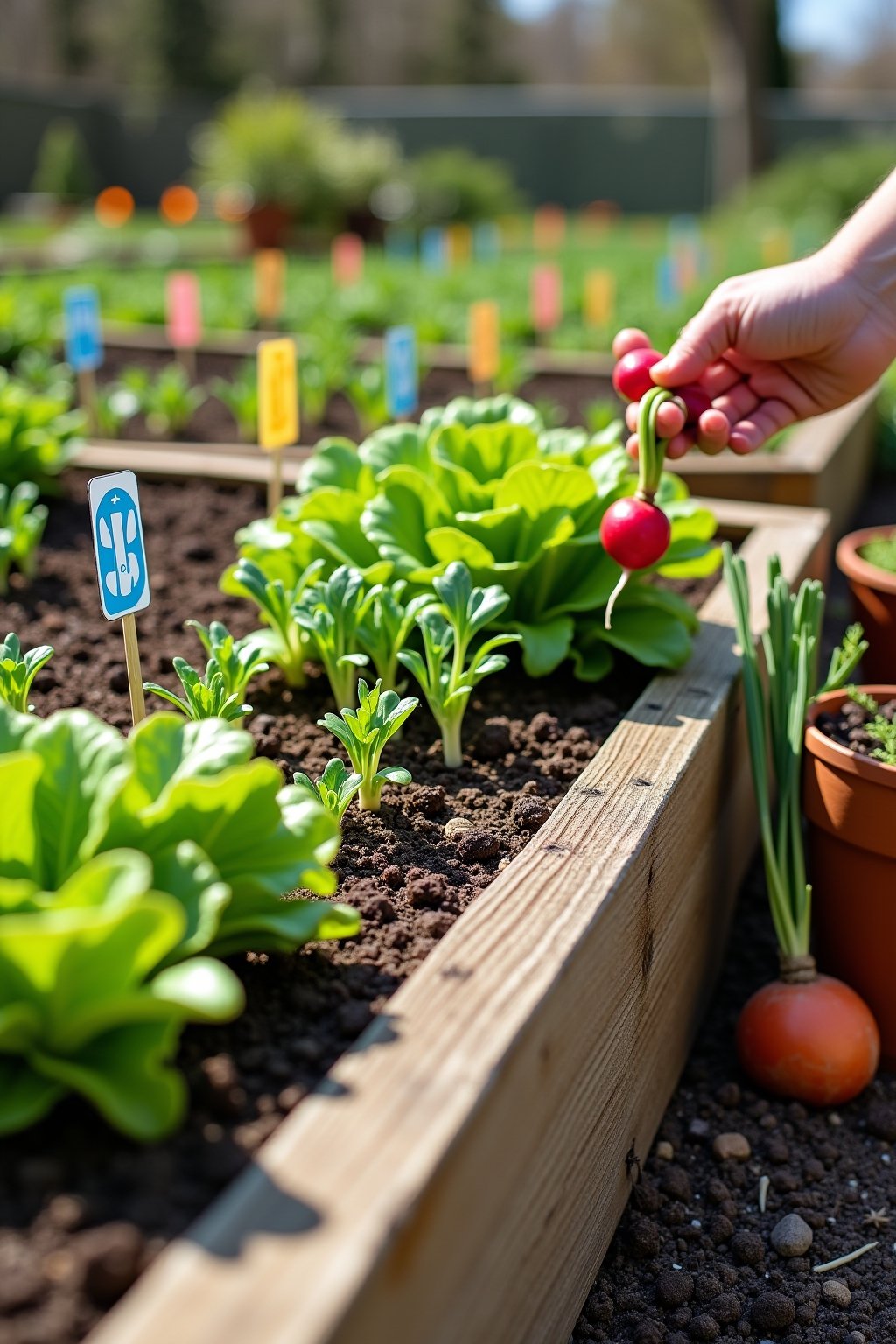
- Seeds for chosen vegetables (see list below)
- Seed starting trays or direct sow in garden beds
- Quality potting mix or well-amended garden soil
- Compost
- Watering can or garden hose with gentle nozzle
- Row cover or garden fabric (for frost protection)
- Garden labels or markers
- Mulch (straw or shredded leaves)
- Balanced organic fertilizer
- Containers (optional, for patio gardening)
The beauty of fast-growing vegetables is that they do not need fancy equipment. Most can be direct-sown right into garden beds or containers without starting indoors. Invest in quality seeds from a reputable seed company — germination rates matter more when you are counting every day to harvest. A lightweight row cover is extremely useful for early spring planting because it protects seedlings from light frost while letting rain and sunlight through. For containers, use pots at least 8 to 12 inches deep with good drainage, and choose a quality potting mix that retains moisture without becoming waterlogged.
Step 1: Radishes — Ready in 20-30 Days
Radishes are the undisputed speed champions of the vegetable garden. Varieties like ‘Cherry Belle’ and ‘French Breakfast’ can be harvested in as few as 20 days from sowing. They are the perfect first crop for new gardeners because success is almost guaranteed.
Direct sow seeds half an inch deep and 1 inch apart in rows 6 inches apart. Thin seedlings to 2 inches apart once they sprout. Radishes prefer cool weather (40-65°F) and bolt quickly in heat, so plant them as early as 4 to 6 weeks before your last frost. Keep soil consistently moist — inconsistent watering causes woody, cracked, or overly spicy roots. Succession plant every 10 days for a continuous supply.
Step 2: Lettuce — Ready in 30-45 Days
Leaf lettuce varieties like ‘Salad Bowl,’ ‘Red Sails,’ and ‘Buttercrunch’ are ready for baby leaf harvests in as little as 30 days. For full heads, allow 45 to 55 days. The trick is to harvest outer leaves as needed and let the center continue growing — this cut-and-come-again method extends your harvest for weeks.
Sow seeds on the soil surface and press lightly — lettuce needs light to germinate. Keep soil moist and cool. In warmer zones, plant in partial shade or use shade cloth to prevent bolting (going to seed), which makes leaves bitter. A spring lettuce patch can produce salads from April through June if you succession plant every 2 weeks.
Step 3: Spinach — Ready in 30-45 Days
Spinach thrives in cool spring weather and is packed with iron, vitamins, and that fresh green flavor that store-bought spinach cannot match. Varieties like ‘Bloomsdale Long Standing’ and ‘Space’ give you baby greens in 30 days or mature leaves in 40 to 45 days.
Sow seeds half an inch deep and 2 inches apart. Spinach is extremely cold-tolerant and can be planted 4 to 6 weeks before last frost — it handles temperatures down to 20°F once established. Like lettuce, spinach bolts in heat, so get it in the ground early. Harvest outer leaves first and the plant will keep producing from the center for several weeks.
Step 4: Arugula — Ready in 25-40 Days
Arugula adds a peppery kick to salads and sandwiches and grows faster than almost anything in the garden. Baby arugula leaves are ready in just 25 days, with full-size leaves at 40 days. The flavor becomes more pungent as the plant matures, so harvest young if you prefer milder taste.
Scatter seeds over prepared soil and cover with a quarter inch of fine soil. Arugula is incredibly easy to grow and even reseeds itself if you let a few plants flower. Plant in spring and again in early fall. In hot weather, arugula bolts rapidly, but you can slow this down with afternoon shade and consistent moisture.
Step 5: Bush Beans — Ready in 45-55 Days
Bush beans like ‘Provider,’ ‘Contender,’ and ‘Blue Lake 274’ are fast, productive, and incredibly beginner-friendly. Unlike pole beans that need trellising, bush varieties grow as compact 18-inch plants and produce heavily for 2 to 3 weeks.
Plant seeds 1 inch deep and 3 inches apart after all danger of frost has passed — beans are warm-season crops that will not germinate in cold soil. They are one of the few vegetables that actually fix nitrogen in the soil, so they improve your garden while feeding you. Harvest pods when they are pencil-thin for the best flavor and texture, and pick daily to encourage continued production.
Step 6: Green Onions (Scallions) — Ready in 30-50 Days
Green onions are one of the most useful kitchen garden crops and grow almost effortlessly. Varieties like ‘Evergreen Hardy White’ produce usable scallions in 30 days from transplants or 50 to 60 days from seed. You can also regrow grocery store green onions by planting the root ends.
Sow seeds a quarter inch deep and very close together — scallions do not need much space. They tolerate light frost and can be planted early in spring. Harvest by pulling entire plants or snip the green tops and let them regrow. Green onions are perfect for containers and window boxes and can be tucked into any empty corner of the garden.
Step 7: Baby Carrots — Ready in 50-60 Days
While full-size carrots take 70-80 days, baby carrot varieties like ‘Thumbelina,’ ‘Paris Market,’ and ‘Adelaide’ mature in 50 to 60 days. These round or short varieties are perfect for containers and shallow raised beds where soil depth is limited.
Carrots need loose, rock-free soil to develop straight roots. If your soil is heavy or rocky, grow them in raised beds filled with sandy potting mix. Sow seeds very shallowly (a quarter inch deep) and keep the surface consistently moist until germination, which can take 10 to 14 days. Thin to 1 to 2 inches apart. The sweet flavor of a just-pulled garden carrot is a completely different experience from anything at the grocery store.
Step 8: Turnips — Ready in 40-55 Days
Turnips are an underrated spring vegetable that give you two harvests in one — both the root and the greens are edible and delicious. Quick varieties like ‘Hakurei’ (a sweet Japanese turnip) are ready in just 35 to 40 days and have a mild, almost fruity flavor that converts even turnip skeptics.
Direct sow seeds half an inch deep and thin to 4 inches apart. Turnips are extremely cold-hardy and can be planted as soon as soil can be worked in spring. They grow fast in cool weather and develop the best flavor before temperatures climb above 75°F. Harvest greens when young and tender, and pull roots when they reach 2 to 3 inches in diameter.
Step 9: Zucchini — Ready in 45-55 Days
Zucchini is famously productive — so productive that gardeners joke about leaving bags on neighbors’ doorsteps. A single plant can produce 6 to 10 pounds of squash over the season, making it one of the best value crops for your garden space.
Plant seeds 1 inch deep after the last frost when soil is warm (at least 60°F). Space plants 2 to 3 feet apart — they need room to spread. Zucchini is a heavy feeder that benefits from rich, compost-amended soil and regular watering. Harvest when fruits are 6 to 8 inches long for the best flavor and texture. Check plants daily, because zucchini can go from perfect to baseball-bat-sized in 48 hours.
Step 10: Peas — Ready in 50-60 Days
Sugar snap peas and snow peas are one of the sweetest rewards of spring gardening. Kids love picking and eating them straight from the vine. Varieties like ‘Sugar Ann’ (bush type, 55 days) and ‘Oregon Sugar Pod’ (60 days) produce abundantly in cool weather.
Sow seeds 1 inch deep and 2 inches apart as soon as soil can be worked in spring — peas handle frost well and actually prefer cool growing conditions. Provide a short trellis or string support for climbing varieties. Pick pods frequently when they are plump and crisp, before the peas inside get starchy. Like beans, peas fix nitrogen in the soil, leaving your bed richer for whatever you plant next.
Common Problems and How to Fix Them
Seeds not germinating: Cold soil is the most common culprit for warm-season crops like beans and zucchini. Use a soil thermometer and wait until soil reaches the minimum temperature for that crop. For cool-season crops, ensure seeds stay moist but not waterlogged during germination. Old seeds also have lower germination rates — buy fresh seeds each season for best results.
Plants bolting (going to seed): Lettuce, spinach, arugula, and radishes all bolt when temperatures rise above 75-80°F. Plant these crops early in spring and choose bolt-resistant varieties. Shade cloth, mulch, and consistent watering can delay bolting by keeping roots cool. Once a plant bolts, the flavor changes and it is best to pull it and succession plant the next round.
Leggy or pale seedlings: This usually means not enough sunlight. Most vegetables need 6 to 8 hours of direct sun. If growing in containers, move them to a sunnier spot. If your garden is partly shaded, stick with leafy greens which tolerate less sun than fruiting crops.
Pests eating seedlings overnight: Slugs, cutworms, and rabbits love tender young vegetable plants. Use row covers as a physical barrier, apply iron phosphate slug bait, and wrap cardboard collars around stems to deter cutworms. Companion planting with strong-smelling herbs can also help deter pests.
Seasonal Guide
Here is a planting timeline showing when to sow each crop and when to expect your first harvest:
| Vegetable | Sow | Days to Harvest | Frost Tolerant? |
|---|---|---|---|
| Radishes | 4-6 weeks before last frost | 20-30 days | Yes |
| Arugula | 3-4 weeks before last frost | 25-40 days | Yes |
| Lettuce | 3-4 weeks before last frost | 30-45 days | Yes (light frost) |
| Spinach | 4-6 weeks before last frost | 30-45 days | Yes |
| Green Onions | 3-4 weeks before last frost | 30-50 days | Yes |
| Turnips | 3-4 weeks before last frost | 40-55 days | Yes |
| Bush Beans | After last frost | 45-55 days | No |
| Zucchini | After last frost | 45-55 days | No |
| Peas | 4-6 weeks before last frost | 50-60 days | Yes |
| Baby Carrots | 2-3 weeks before last frost | 50-60 days | Yes |
Pro tip: Succession plant radishes, lettuce, arugula, and spinach every 2 weeks for a continuous harvest through spring and into early summer.
Expert Tips
- Succession planting is the real secret — Instead of planting all your lettuce or radishes at once, sow a small batch every 2 weeks. This gives you a steady stream of perfectly ripe vegetables instead of a glut followed by nothing.
- Interplant fast crops between slow growers — Tuck radishes, lettuce, or arugula between transplanted tomatoes and peppers. The fast crops will be harvested before the slower plants need the space, effectively doubling your garden’s output.
- Water consistently for the best-tasting root vegetables — Inconsistent watering causes radishes to become woody and spicy, and carrots to crack. A steady supply of moisture produces the smoothest, mildest, most tender roots.
- Harvest in the morning for peak flavor and crunch — Vegetables harvested in the cool morning hours have higher water content and better texture. Lettuce, in particular, wilts fast when picked in afternoon heat.
- Use row covers to extend the season in both directions — A lightweight floating row cover adds 4 to 8 degrees of frost protection, letting you plant cool-season crops earlier in spring and keep them going later into early summer.
- Save your fastest-bolting spots for shade-tolerant greens — If part of your garden heats up early, plant those beds with radishes and arugula first, then switch to heat-loving beans or zucchini when temperatures rise.
Frequently Asked Questions
What is the fastest vegetable to grow from seed?
Radishes are the fastest vegetable you can grow from seed, with some varieties ready to harvest in as few as 20 days. Arugula and baby lettuce are close behind at 25 to 30 days for baby leaf harvests. All three are excellent choices for impatient gardeners or quick-turnaround gardening.
Can I grow fast vegetables in containers?
Absolutely. Radishes, lettuce, spinach, arugula, green onions, baby carrots, and peas all grow beautifully in containers. Use pots at least 8 to 12 inches deep with good drainage and quality potting mix. Container gardens on patios, balconies, and porches can produce impressive harvests with minimal space.
What vegetables can I plant before the last frost?
Cool-season crops including radishes, lettuce, spinach, arugula, peas, turnips, green onions, and carrots can all be planted 3 to 6 weeks before your last expected frost date. They tolerate light frost and actually grow best in cool weather between 40°F and 65°F.
How do I prevent my lettuce and spinach from bolting?
Plant bolt-resistant varieties, sow early in spring before heat arrives, keep soil consistently moist, apply mulch to keep roots cool, and use shade cloth during warm spells. If plants do bolt, harvest immediately — the leaves become bitter once flowering starts. Succession planting ensures you always have young, tender plants ready.
What is succession planting and why should I do it?
Succession planting means sowing small batches of the same crop every 2 to 3 weeks instead of planting everything at once. This spreads your harvest over a longer period so you always have fresh, perfectly ripe vegetables instead of an overwhelming glut that you cannot eat fast enough.
Can I plant these vegetables in partial shade?
Leafy greens like lettuce, spinach, and arugula actually perform well in partial shade (4 to 6 hours of sun), especially in warmer climates where shade prevents bolting. Root vegetables and fruiting crops like beans and zucchini need full sun (6 to 8 hours) for best production.