
If you’ve ever ordered Kung Pao Chicken from your favorite Chinese restaurant and wished you could make it at home — good news, you absolutely can. This version is faster than delivery, way more flavorful, and you control exactly how spicy it gets.
The secret is in the sauce. A perfect balance of soy sauce, rice vinegar, and a touch of sweetness creates that signature Kung Pao flavor that coats every piece of tender chicken. Throw in some roasted peanuts and dried chilis for that classic crunch and heat, and you’ve got a weeknight dinner that’ll make everyone forget about the takeout menu.
I make this at least twice a month because it comes together in about 30 minutes and the leftovers are even better the next day. Once you nail this recipe, you’ll never go back to ordering it.
Why This Easy Kung Pao Chicken (Better Than Takeout) Is a Must-Try
- Ready in 30 minutes — faster than ordering takeout and so much fresher
- Perfectly balanced sauce — sweet, salty, tangy, and spicy in every bite
- Crispy tender chicken — cornstarch coating gives each piece a light crispness
- Customizable heat level — add more or fewer dried chilis to suit your taste
- Loaded with roasted peanuts — adds irresistible crunch and nutty flavor
- Better leftovers — the sauce deepens in flavor overnight, perfect for meal prep
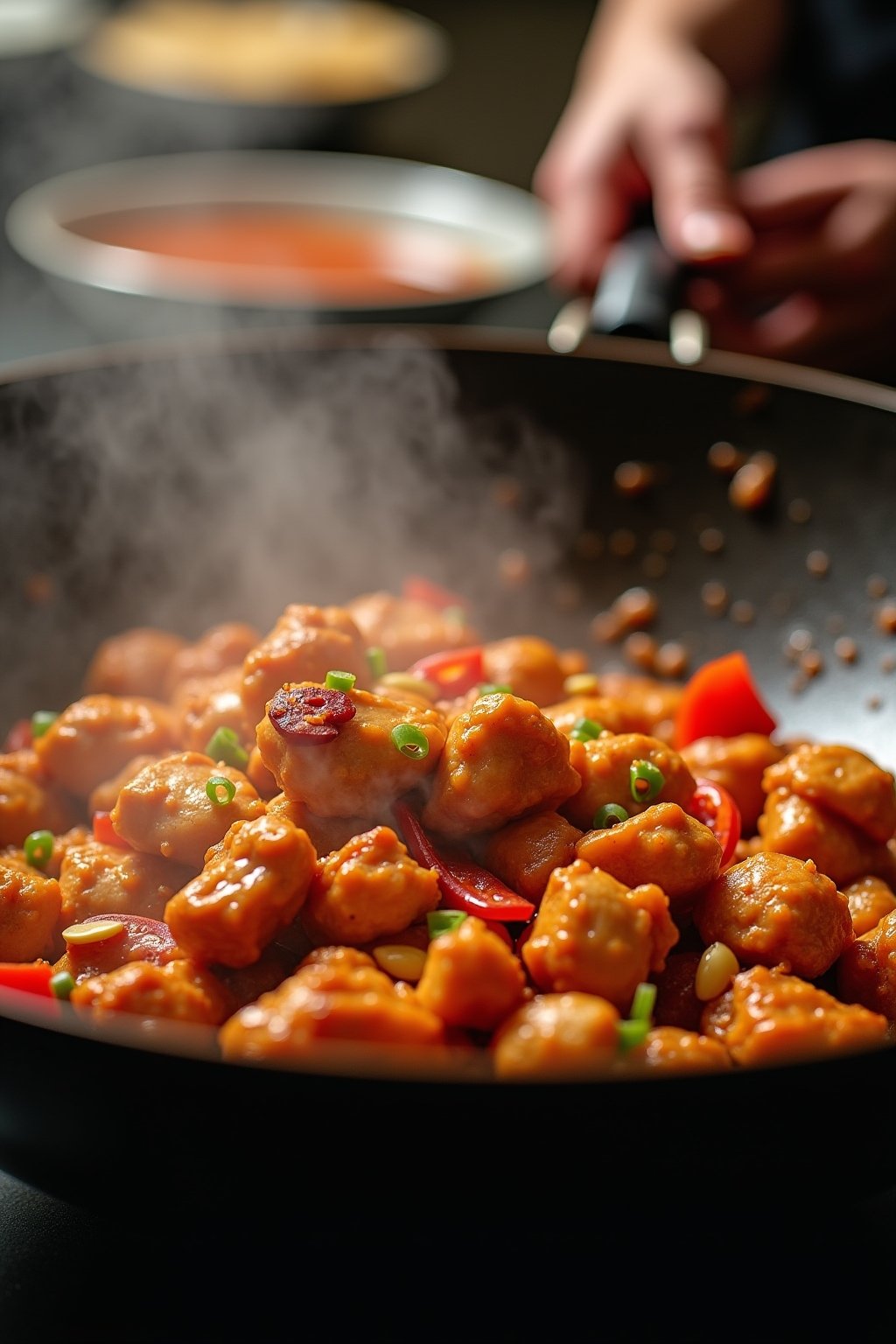
Ingredients You’ll Need for Easy Kung Pao Chicken (Better Than Takeout)
Chicken thighs stay juicier than breasts during high-heat stir-frying, but boneless breasts work if that’s what you have — just don’t overcook them.
Dried red chilis are for flavor and aroma, not meant to be eaten whole. Use fewer for mild heat or more if you love spice. You can substitute 1 teaspoon red pepper flakes in a pinch.
Hoisin sauce adds depth and sweetness. If you don’t have it, mix 1 tablespoon peanut butter with 1 teaspoon soy sauce and a pinch of sugar.
Rice vinegar gives the sauce its signature tang. White wine vinegar or apple cider vinegar are decent substitutes.
Roasted peanuts should be unsalted since the sauce already has plenty of sodium. Cashews make a great alternative if you prefer.
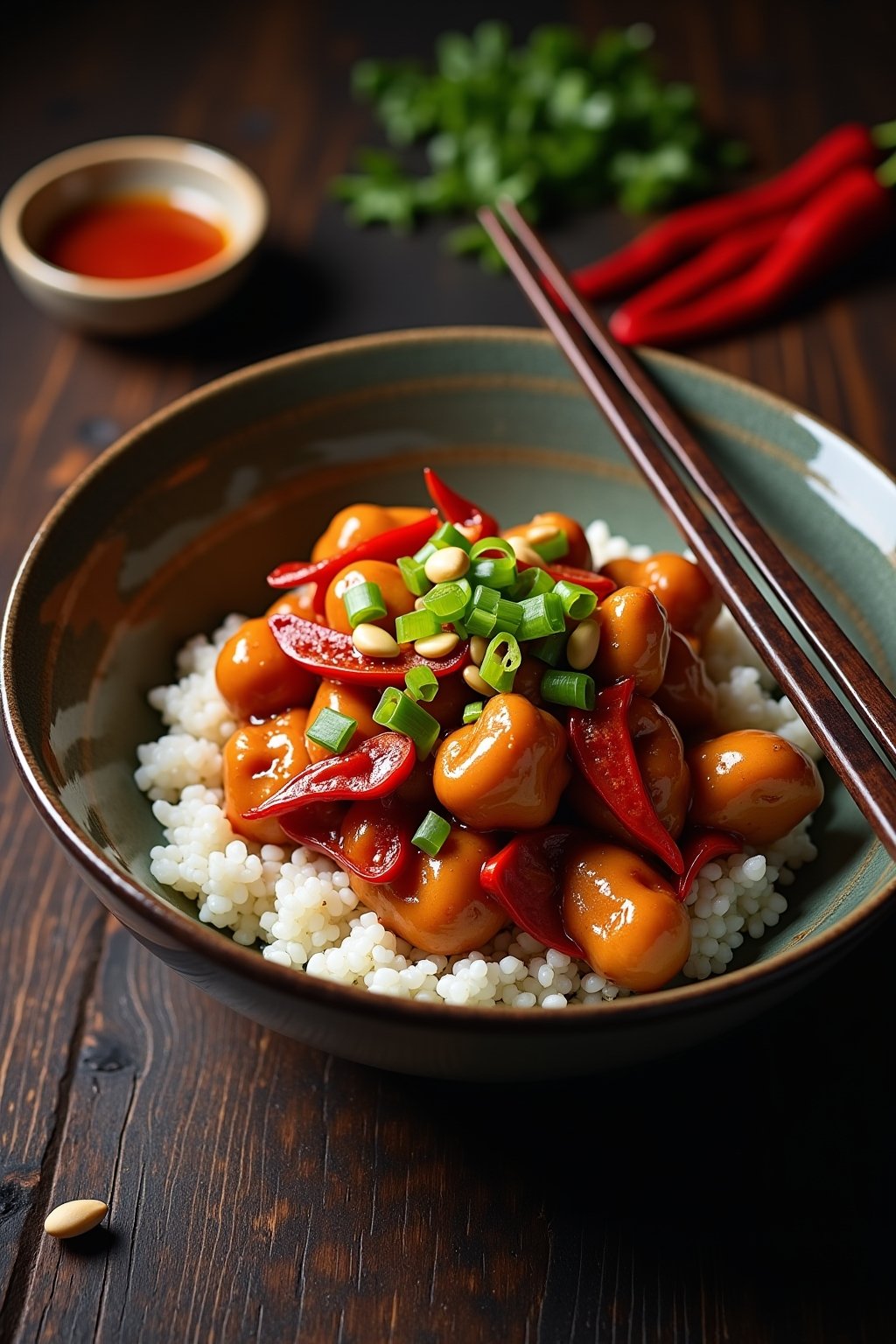
Easy Kung Pao Chicken (Better Than Takeout)
Ingredients
Equipment
Method
- Toss the chicken pieces with 2 tablespoons cornstarch and 1 tablespoon soy sauce in a bowl until evenly coated. Set aside for 10 minutes while you prep the other ingredients.
- Whisk together all the Kung Pao sauce ingredients — soy sauce, rice vinegar, hoisin, honey, sesame oil, cornstarch, and water — in a small bowl. Set aside.
- Heat 2 tablespoons vegetable oil in a large wok or skillet over high heat until the oil just begins to shimmer.
- Add the coated chicken pieces in a single layer, working in batches if needed to avoid crowding. Cook without stirring for 2-3 minutes until the bottoms are golden and crispy, then flip and cook another 2 minutes until cooked through. Transfer to a plate.
- In the same wok, add the dried red chilis and stir-fry for 30 seconds until they darken slightly and become fragrant. Be careful not to burn them.
- Add the garlic, ginger, and white parts of the green onions. Stir-fry for 30 seconds until aromatic.
- Add the diced red bell pepper and stir-fry for 2 minutes until slightly softened but still crisp.
- Return the chicken to the wok and pour the sauce over everything. Toss and stir constantly for 1-2 minutes until the sauce thickens and coats every piece of chicken in a glossy glaze.
- Remove from heat and fold in the roasted peanuts and green onion tops. Toss gently to combine.
- Serve immediately over steamed white rice, garnished with extra peanuts and sliced green onions if desired.
Notes
Nutrition Facts
Per serving
| Calories | 485 |
| Total Fat | 24g |
| Saturated Fat | 4g |
| Carbohydrates | 26g |
| Fiber | 3g |
| Sugar | 10g |
| Protein | 42g |
| Sodium | 980mg |
| Potassium | 620mg |
| Vitamin A | 15% |
| Vitamin C | 30% |
| Calcium | 4% |
| Iron | 12% |
* Percent Daily Values are based on a 2,000 calorie diet.
Storage and Freezing Tips
Refrigerator: Store leftover Kung Pao Chicken in an airtight container for up to 4 days. The flavors actually get better overnight as the sauce continues to develop. Reheat in a skillet over medium-high heat with a splash of water to loosen the sauce.
Freezer: Freeze in airtight containers or freezer bags for up to 3 months. Thaw overnight in the refrigerator, then reheat in a skillet. The peanuts may lose some crunch, so consider adding fresh peanuts when reheating.
Reheating: A skillet is best for reheating — it re-crisps the chicken. Microwave works in a pinch; cover and heat in 1-minute intervals, stirring between. Add a splash of water or broth to keep things saucy.
Tasty Variations to Try
- Kung Pao Shrimp — swap chicken for large peeled shrimp, cook just 2 minutes per side until pink and curled
- Kung Pao Tofu — press and cube extra-firm tofu, pan-fry until golden on all sides before adding to the sauce
- Low-Carb Kung Pao — serve over cauliflower rice instead of white rice and skip the honey in the sauce
- Extra Spicy Version — double the dried chilis and add 1 teaspoon Sichuan peppercorns for authentic numbing heat
- Cashew Kung Pao — replace peanuts with roasted cashews for a richer, butterier crunch
- Vegetable Kung Pao — use a mix of broccoli, snap peas, and water chestnuts instead of chicken
- Kung Pao with Zucchini — add diced zucchini to the stir-fry for extra vegetables and bulk
Expert Tips for Perfect Easy Kung Pao Chicken (Better Than Takeout)
- Get the wok blazing hot — the key to restaurant-quality stir-fry is extreme heat. Your oil should shimmer and almost smoke before adding the chicken.
- Don’t skip the cornstarch marinade — this technique, called velveting, creates a thin protective coating that keeps the chicken juicy and gives it that takeout-style texture.
- Toast the dried chilis carefully — they go from fragrant to burnt in seconds. Pull the wok off the heat if they start to blacken.
- Prep everything before you start cooking — stir-frying moves fast. Have all your ingredients measured, chopped, and within arm’s reach.
- Add peanuts at the very end — this keeps them crunchy. If you add them too early, they’ll absorb sauce and go soft.
- Use dark soy sauce for color — if you want that deep mahogany color like restaurants, swap 1 tablespoon of regular soy sauce for dark soy sauce.
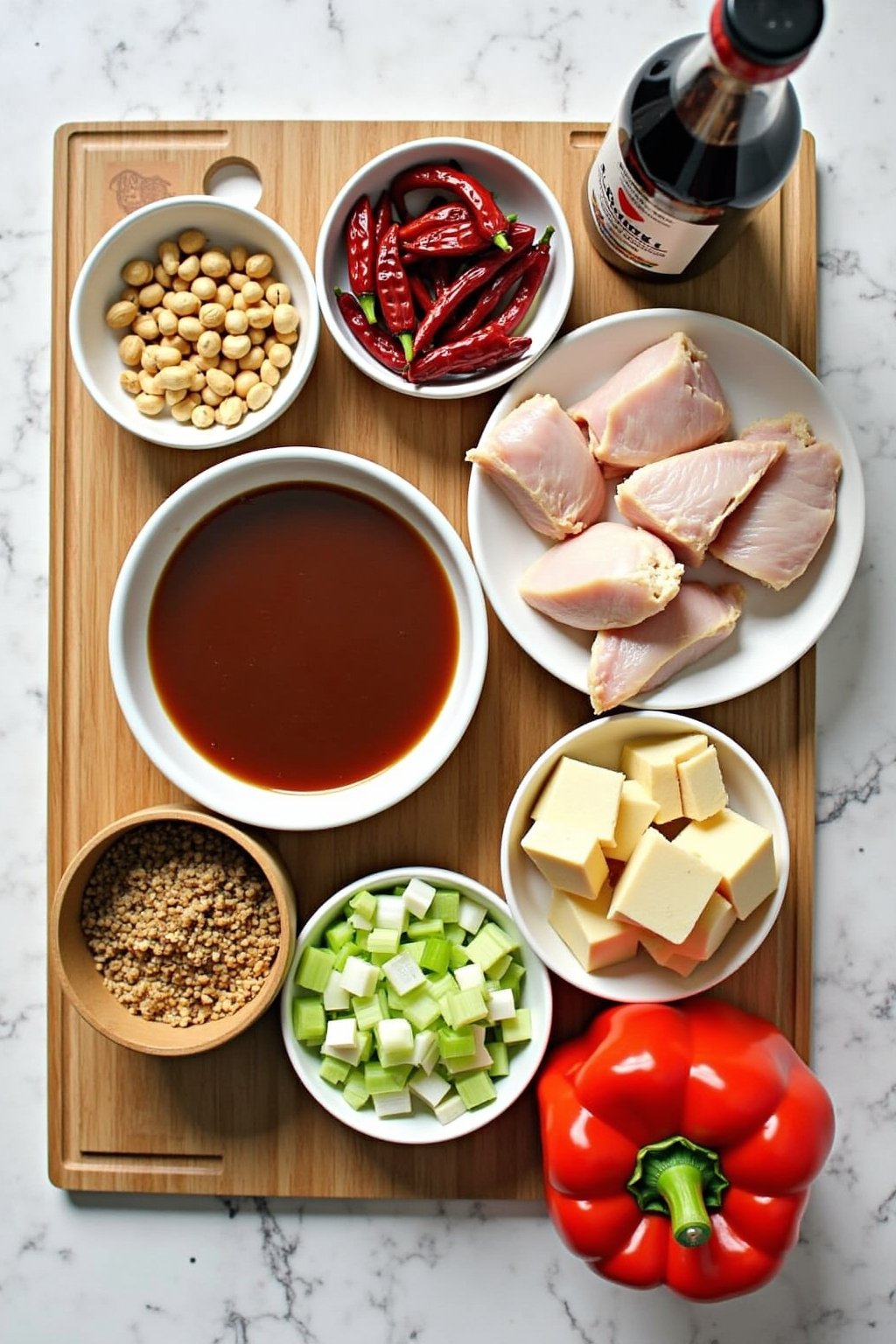
What to Serve With Easy Kung Pao Chicken (Better Than Takeout)
- Steamed jasmine rice — the fragrant, fluffy rice soaks up all that amazing sauce
- Fried rice — turn it into a full Chinese takeout spread
- Lo mein noodles — toss with sesame oil for a noodle-based meal
- Steamed bok choy — a light, fresh green to balance the richness
- Cucumber sesame salad — cool and crunchy contrast to the spicy chicken
- Egg drop soup — classic Chinese starter that rounds out the meal
- Steamed dumplings — because you deserve the full takeout experience at home
Looking for more recipe ideas? Check out these favorites:
- Easy Chicken Fried Rice (Better Than Takeout)
- Quick Vegetable Stir Fry with Ginger Soy Sauce
- Easy Teriyaki Salmon Bowl
Make-Ahead Options
Prep the sauce in advance: Whisk together the Kung Pao sauce and store it in a jar in the fridge for up to 5 days. This cuts your active cooking time in half on busy weeknights.
Marinate the chicken: Toss the chicken with cornstarch and soy sauce, then refrigerate in a sealed container for up to 24 hours. The longer marination actually makes the chicken even more tender.
Meal prep friendly: Cook the full recipe and portion into containers with rice. It reheats beautifully and makes an excellent lunch all week. Just keep the peanuts separate and add them fresh when serving for the best crunch.
Frequently Asked Questions
What makes Kung Pao Chicken different from General Tso’s?
Kung Pao Chicken uses a lighter, tangier sauce with vinegar and features peanuts and dried whole chilis. General Tso’s has a thicker, sweeter, deep-fried coating. Kung Pao is also a traditional Sichuan dish, while General Tso’s was invented in America.
Can I make Kung Pao Chicken without peanuts?
Absolutely! You can substitute roasted cashews, almonds, or even sunflower seeds for a nut-free version. The dish is still delicious without any nuts at all — the sauce and chicken are the real stars.
How spicy is Kung Pao Chicken?
The heat level is completely up to you. Using 8-12 dried chilis gives moderate heat — the chilis mostly flavor the oil rather than making the dish fiery. Use 4-5 for mild, or up to 20 for serious heat. You can also remove the seeds from the chilis to reduce spiciness.
Can I use chicken breast instead of thighs?
Yes, boneless skinless chicken breast works fine. Just be careful not to overcook it — breast meat dries out faster than thighs. Cut it into slightly larger pieces and reduce the cooking time by about 1 minute per side.
What are the dried red chilis in Kung Pao Chicken?
They’re small dried chili peppers like chiles de arbol, Tien Tsin chilies, or Thai bird chilies. They’re meant to infuse the oil with heat and flavor — you don’t typically eat them whole. Find them in the international aisle or at Asian grocery stores.
How do I store and reheat leftover Kung Pao Chicken?
Store in an airtight container in the fridge for up to 4 days. Reheat in a skillet over medium-high heat with a splash of water to revive the sauce. The microwave works too, but a skillet gives you better texture. Add fresh peanuts after reheating for crunch.