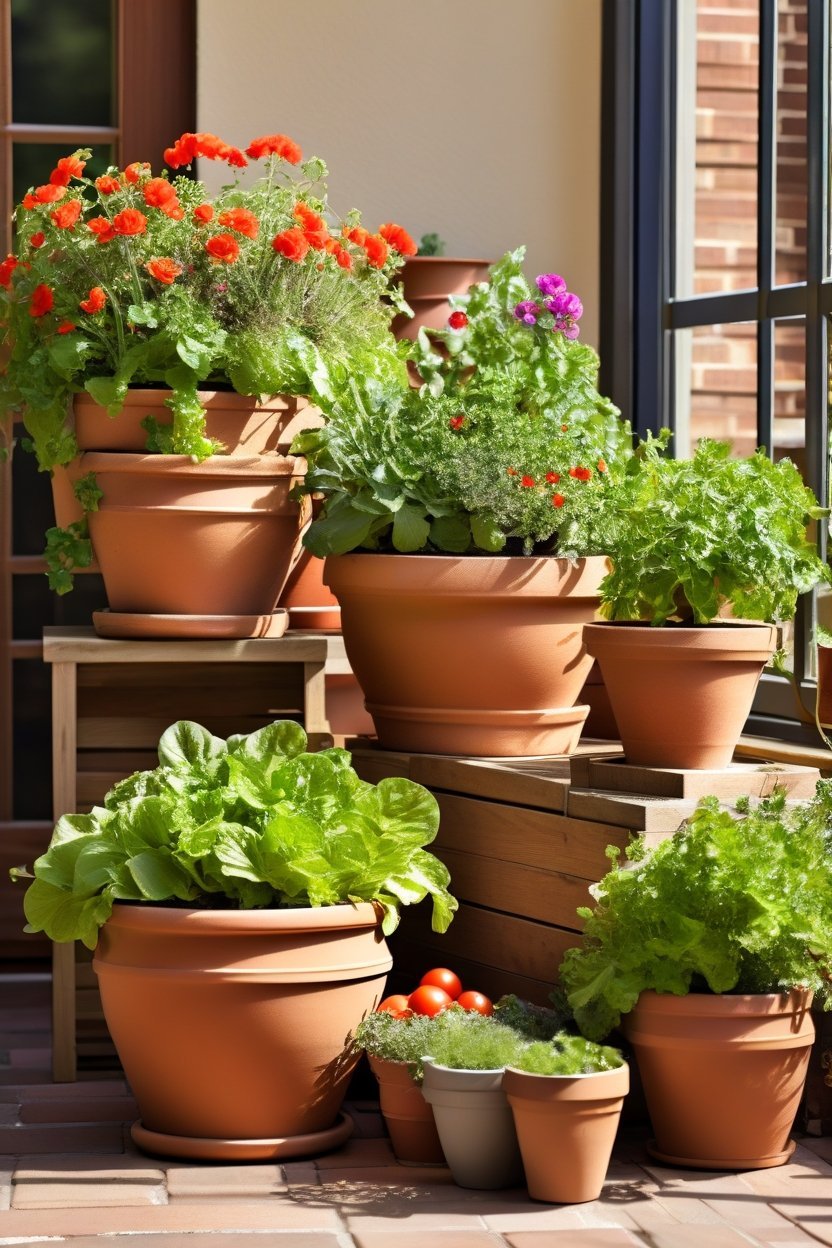
growing in containersing is the most accessible form of gardening there is — no yard required, no digging, no elaborate setup. A few pots on a balcony, a doorstep, or a sunny windowsill can produce a genuinely impressive amount of kitchen herb garden setups, vegetables, and flowers. It’s also the most forgiving way to start gardening, since containers give you control over soil quality, drainage, and placement in a way that in-ground gardening doesn’t.
Here’s everything a beginner needs to know to start container gardening successfully this season.
Choosing Your Containers
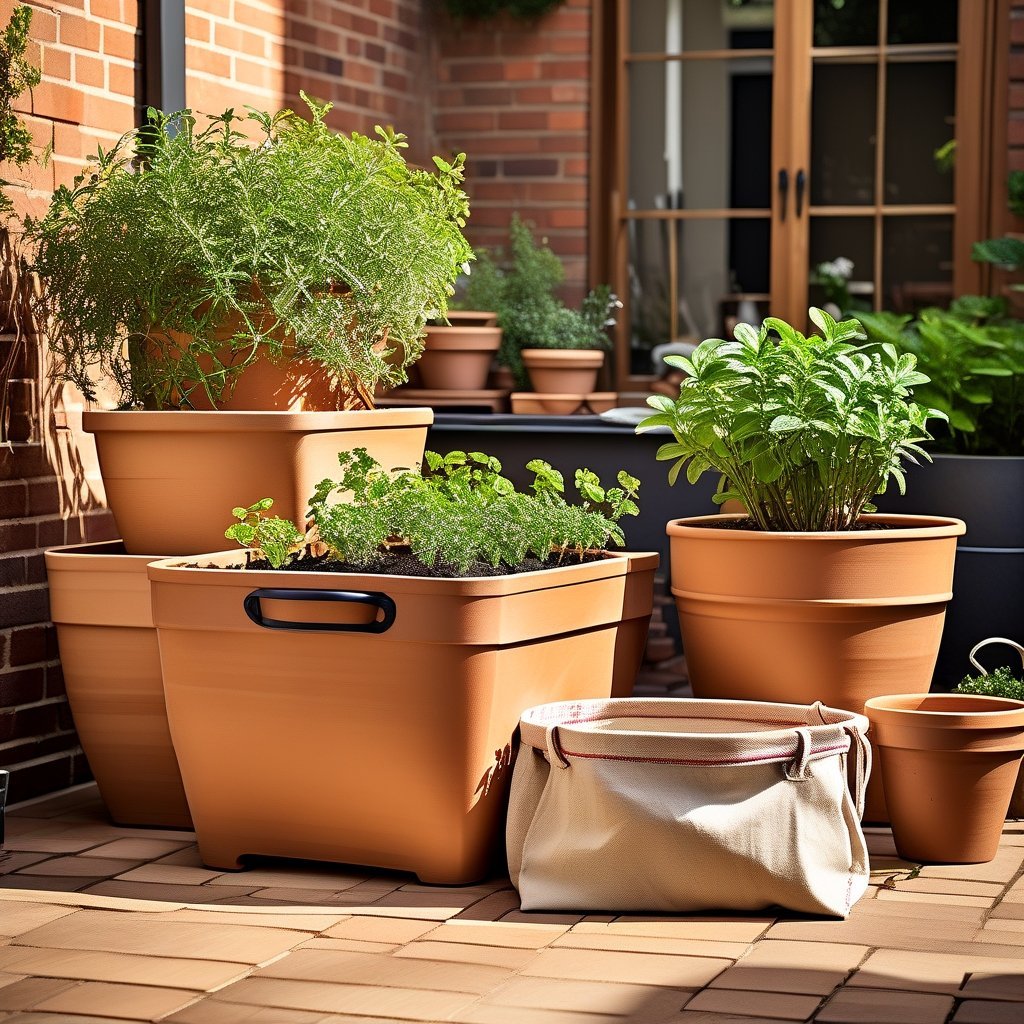
The most important requirement for any container is drainage holes. Without them, roots sit in standing water and rot — this is how most container plants die. Beyond that, size matters: most vegetables need at least a 12-inch diameter pot and 12 inches of depth to develop properly. grow herbs indoors year-rounds are more forgiving and grow well in smaller containers. Terracotta pots are breathable and beautiful but dry out quickly; plastic and glazed ceramic retain moisture longer. For a patio or balcony with weight restrictions, lightweight fabric grow bags are excellent.
The Right Soil Makes Everything Easier
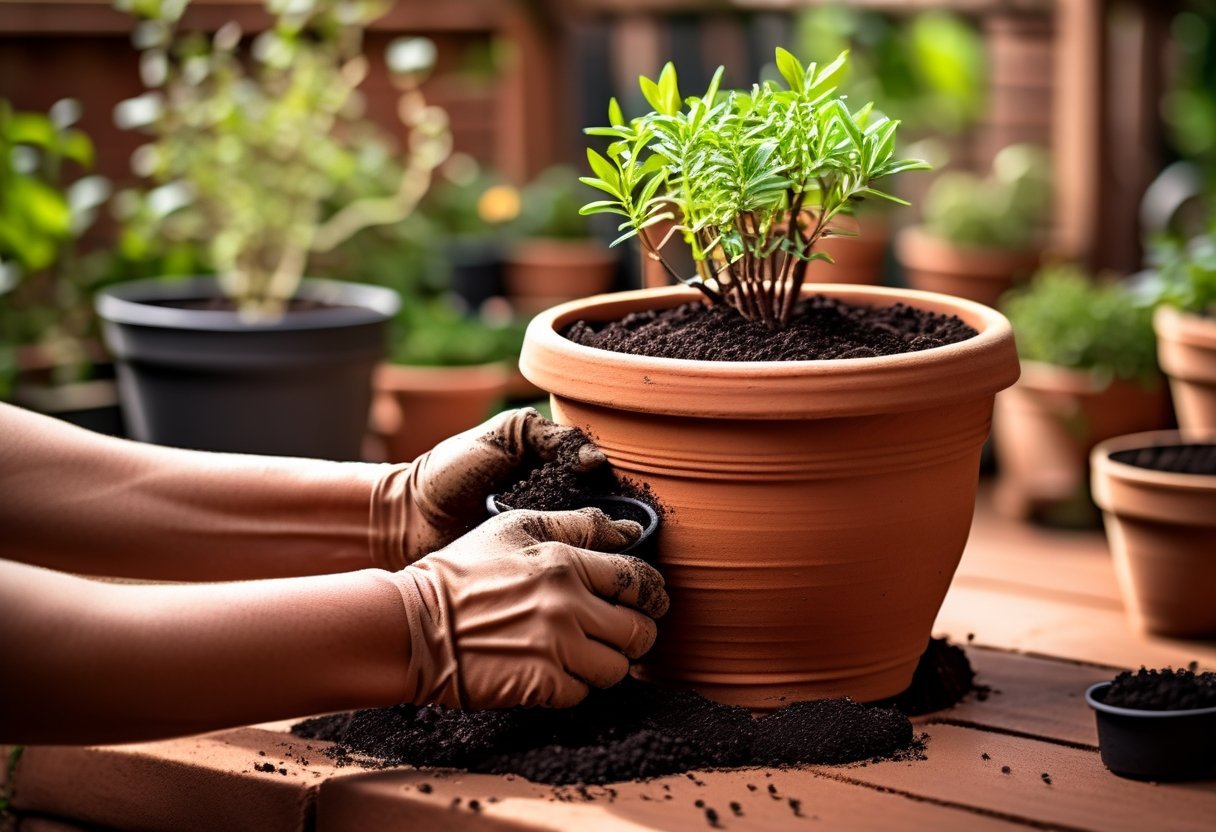
Never use garden soil in containers — it compacts, drains poorly, and often carries pests and disease. Use a quality potting mix (not “potting soil” — look for “potting mix”) that’s specifically designed for containers. For vegetables and grow herbs indoorss, add a slow-release granular fertilizer to the mix at planting time. Coconut coir mixed with perlite creates an excellent, lightweight, well-draining medium if you want to make your own.
Best Plants for Container Beginners
Herbs: Basil, mint, rosemary, thyme, and chives are all excellent in containers. Mint especially should always be contained — it spreads aggressively in the ground.
Vegetables: Cherry tomatoes, lettuce, spinach, radishes, beans, and peppers all perform well in containers. Bush varieties of tomatoes and zucchini are bred specifically for small space growing.
Flowers: Marigolds, petunias, nasturtiums, and calibrachoa are 2026 home color trendsful, easy, and long-blooming. Marigolds have the added benefit of repelling many common garden pests.
Watering: The Skill That Matters Most
Containers dry out much faster than the ground, especially in summer heat. In hot weather, most vegetable containers need watering daily — sometimes twice. The best way to check: stick your finger an inch into the soil. If it’s dry at that depth, water thoroughly until it drains from the bottom. Don’t water by schedule — water by what the soil tells you. Overwatering (watering before the top layer dries slightly) is as damaging as underwatering.
Feeding Container Plants
Container plants exhaust the nutrients in their soil much faster than in-ground plants because of regular watering. Supplement with a balanced liquid fertilizer every two weeks during the growing season — tomatoes and heavy feeders need weekly feeding once they start flowering. Yellowing leaves (especially lower leaves) are usually the first sign that a plant needs feeding.
Sunlight and Placement
Most vegetables need a minimum of 6 hours of direct sun per day. Herbs are generally similar, though mint and some lettuces tolerate partial shade. The advantage of containers is that you can move them to follow the sun, or move them indoors when frost threatens. Start by observing which areas of your outdoor space receive the most sunlight throughout the day before deciding where to place your containers.
Container gardening is genuinely one of the most rewarding hobbies you can start — the combination of daily tending, watching things grow, and eventually harvesting something you grew yourself is deeply satisfying. Start with two or three containers this season and expand from there.