
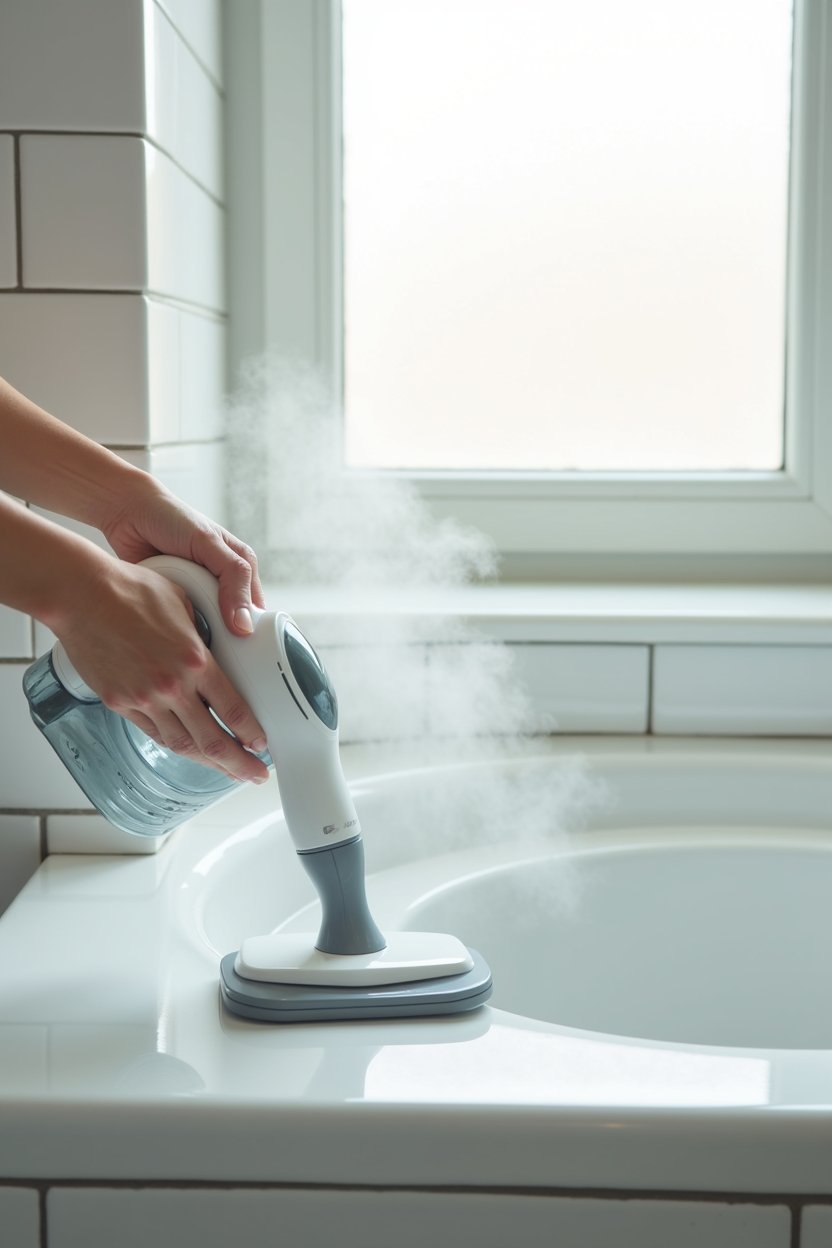
Why Steam Cleaning Is Having a Moment Right Now
There is something deeply satisfying about watching a steam cleaner blast grime off a tile surface and leaving nothing behind but clean, sanitized material. No harsh chemical smell. No residue. No wondering whether your kids or pets are safe to touch the floor twenty minutes later.
Steam cleaning has been around for decades, but the technology has genuinely leveled up. The machines available in 2026 heat faster, hold pressure longer, come with better attachments, and cost significantly less than they did five years ago. If you have been on the fence, this is the year to make the switch.
How Steam Cleaning Actually Works
Steam cleaners heat water to temperatures between 212°F and 320°F, converting it to pressurized steam and forcing it through a nozzle onto a surface. The heat penetrates porous materials, loosens grease and grime, and kills bacteria, dust mites, mold spores, and most viruses on contact. Unlike chemical disinfectants, steam leaves no residue — once the surface dries, it is clean, sanitized, and completely safe to touch.
The Best Surfaces for Steam Cleaning
Tile Grout: This is where steam cleaning earns its reputation. A Steam Cleaner for Grout with Brass Brush Attachment forces hot vapor directly into those pores and blasts contamination out. The transformation on neglected bathroom or kitchen grout can be genuinely dramatic — going from brown-grey back to near-white in a single pass.
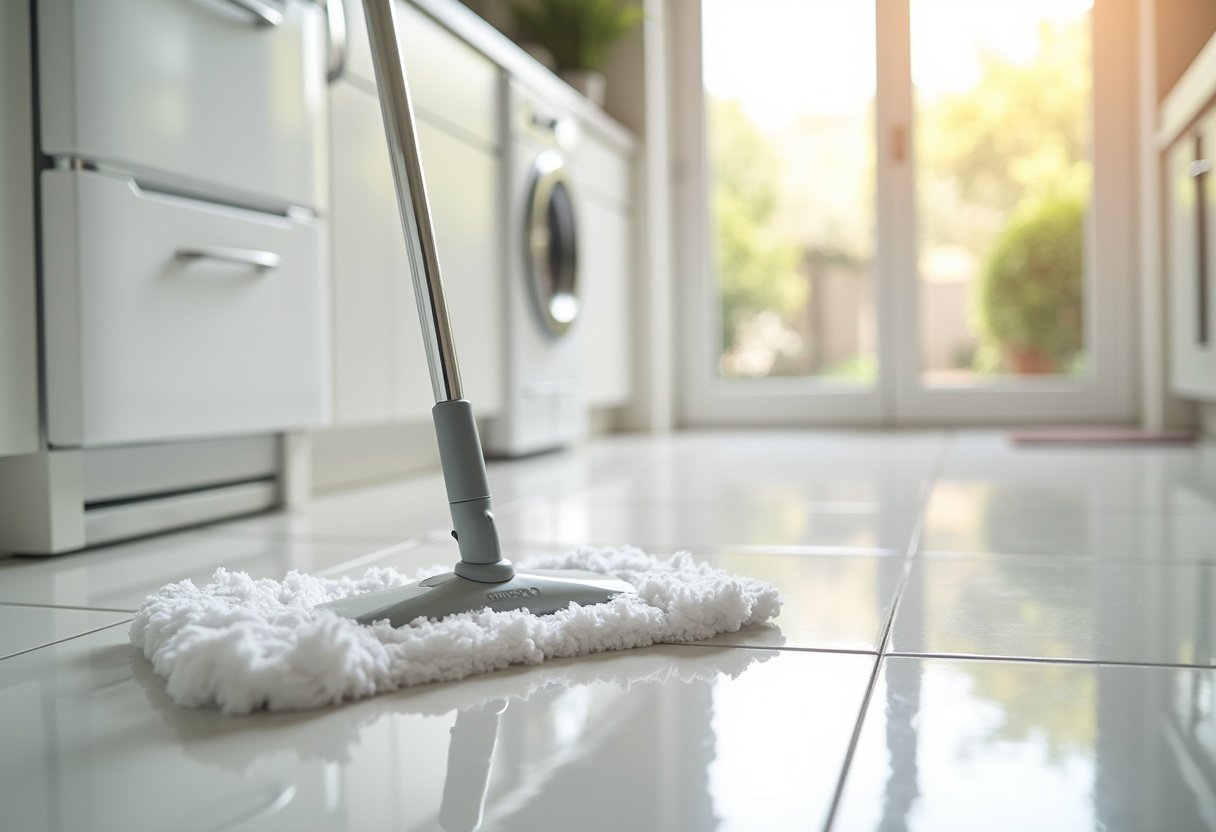
Hard Floors: A Steam Mop with HEPA Filter works beautifully on sealed tile, stone, laminate, and sealed hardwood. The HEPA filter traps particles expelled during steaming — important for allergy and asthma sufferers. Important caveat: steam is not safe for unsealed hardwood or laminate with gaps — the moisture can cause warping.
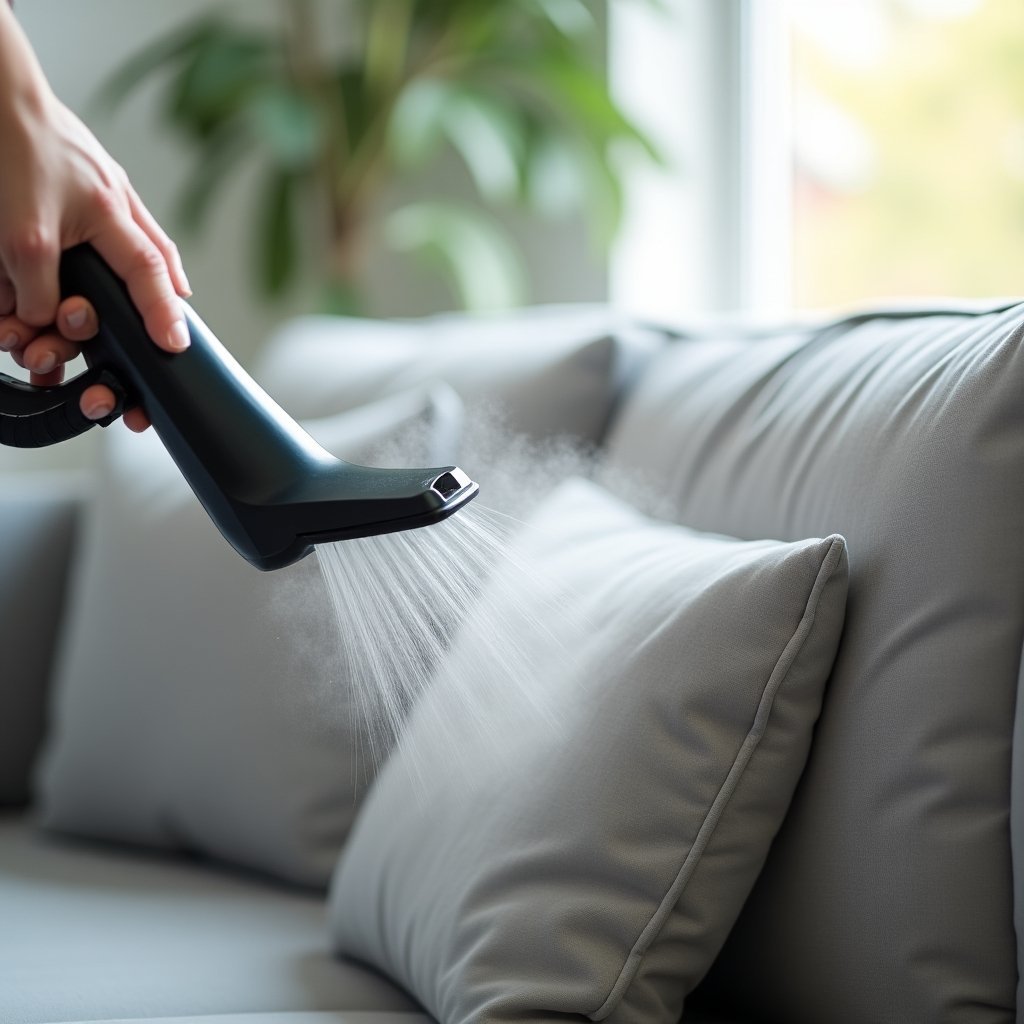
Upholstery and Fabric: A Handheld Steam Cleaner with Attachments refreshes sofas, dining chairs, mattresses, and curtains. It kills dust mites (a major allergen trigger) and removes light stains without soaking the fabric. For mattresses especially, this is a game-changer.
Kitchen Surfaces: Steam cuts through baked-on grease better than most surface sprays because the heat liquefies the fat before you wipe it away. A Multipurpose Steam Station handles stove tops, backsplashes, range hoods, and cabinet fronts in a single session.
How to Choose the Right Steam Cleaner
- Handheld steamers: Compact and portable, great for targeted jobs. Limited water capacity means 10–15 minute run times.
- Steam mops: Designed specifically for floors. Upright stance makes them easy to use across large areas.
- Cylinder/canister steamers: The most versatile option. Large tank, longer run times, higher pressure, suitable for any attachment.
Key specs to evaluate: steam temperature (at least 220°F), tank capacity (1–1.5 liters for whole-home sessions), heat-up time (quality machines heat in 30 seconds to 3 minutes), and attachments included.
Tips for Getting the Best Results
- Pre-sweep or vacuum before steaming floors and grout — steam moves loose debris around rather than collecting it.
- Use distilled or filtered water if your tap water is hard. Mineral buildup will clog the machine faster.
- Work in sections and wipe immediately after steaming for best results on greasy surfaces.
- Descale your machine every 1–2 months with a white vinegar rinse to maintain performance.
The Bottom Line
Steam cleaning is not a gimmick. When used correctly, it sanitizes surfaces to a standard that most household spray cleaners cannot match — without any of the chemical downsides. The upfront cost pays for itself quickly when you stop buying bottles of disinfectant, degreaser, and grout cleaner month after month. Start with a multipurpose cylinder model if you want maximum versatility, or a steam mop if floors are your main concern.