
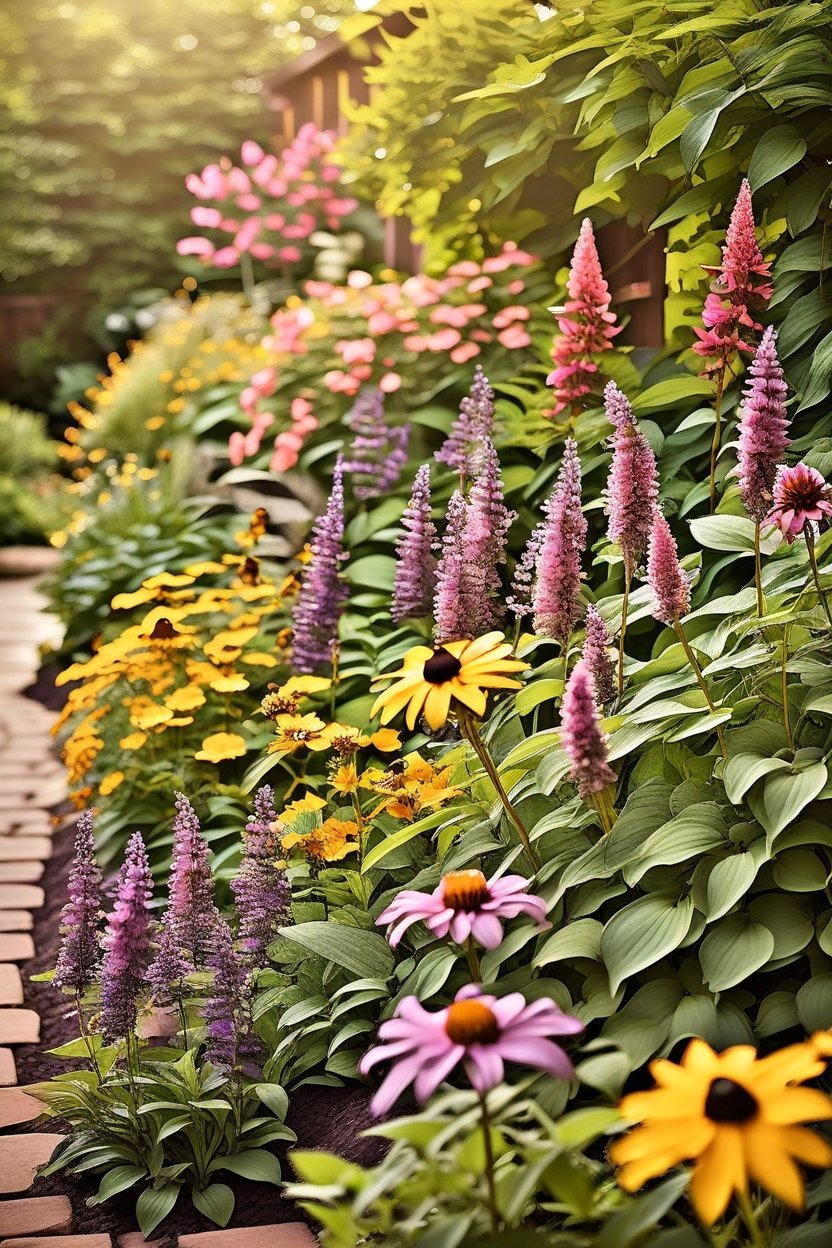
plant a perennial gardens are the greatest investment in gardening. Plant them once, care for them reasonably well in their first season, and they come back year after year — often getting bigger, more beautiful, and more generous with their blooms each time. For gardeners who want 2026 home color trends, texture, and life in their landscape without replanting every spring, perennials are the answer.
Why Perennials Beat Annuals for Low-Maintenance Gardens
Annual flowers bloom prolifically, but they require replanting every single year. Perennials establish their root systems over the first year or two and then become increasingly self-sufficient. Many spread gently over time and fill in a garden bed naturally, reducing the bare soil where weeds compete. A well-chosen perennial garden gets better every year with minimal intervention.
Reliable Perennials for Cooler Climates (Zones 3-5)
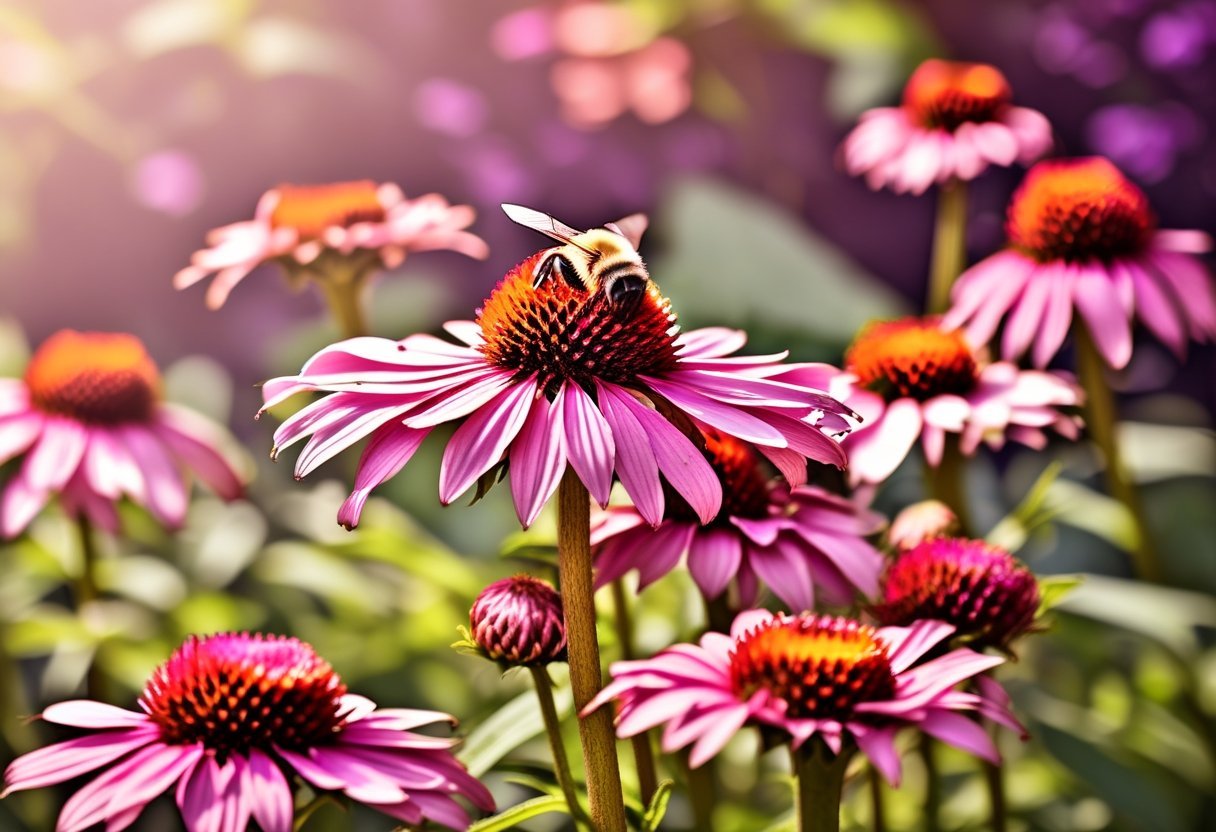
Coneflower (Echinacea)
Coneflowers are among the most beloved and hardiest perennials in North America. They thrive in zones 3-9, tolerate drought once established, attract pollinators reliably, and bloom from midsummer into fall. The classic purple variety is beautiful, but newer cultivars come in orange, yellow, white, and deep red. Plant in full sun to partial shade and divide every three to four years to maintain vigor.
Black-Eyed Susan (Rudbeckia)
Black-eyed Susans are the cheerful golden workhorses of the summer garden. They naturalize easily, spread gently, bloom for weeks, and are virtually ignored by deer. They perform extremely well in poor soils and dry conditions, making them ideal for gardeners who do not want to fuss.
Catmint (Nepeta)
Catmint produces a long, lavender-blue flower spike that blooms profusely in early summer, and if cut back by half after the first bloom, it will rebloom again in late summer. It is exceptionally drought-tolerant, deer-resistant, and attracts bees and butterflies prolifically. Zones 4-8.
Best Perennials for the Middle Zones (Zones 6-7)
Salvia (Perennial Varieties)
Perennial salvias are among the most rewarding garden plants available. May Night and East Friesland are two of the most widely grown, producing deep violet spikes from late spring through summer. They are drought-tolerant, deer-resistant, pollinator magnets, and require almost no care beyond deadheading spent flowers to encourage reblooming.
Russian Sage (Perovskia)
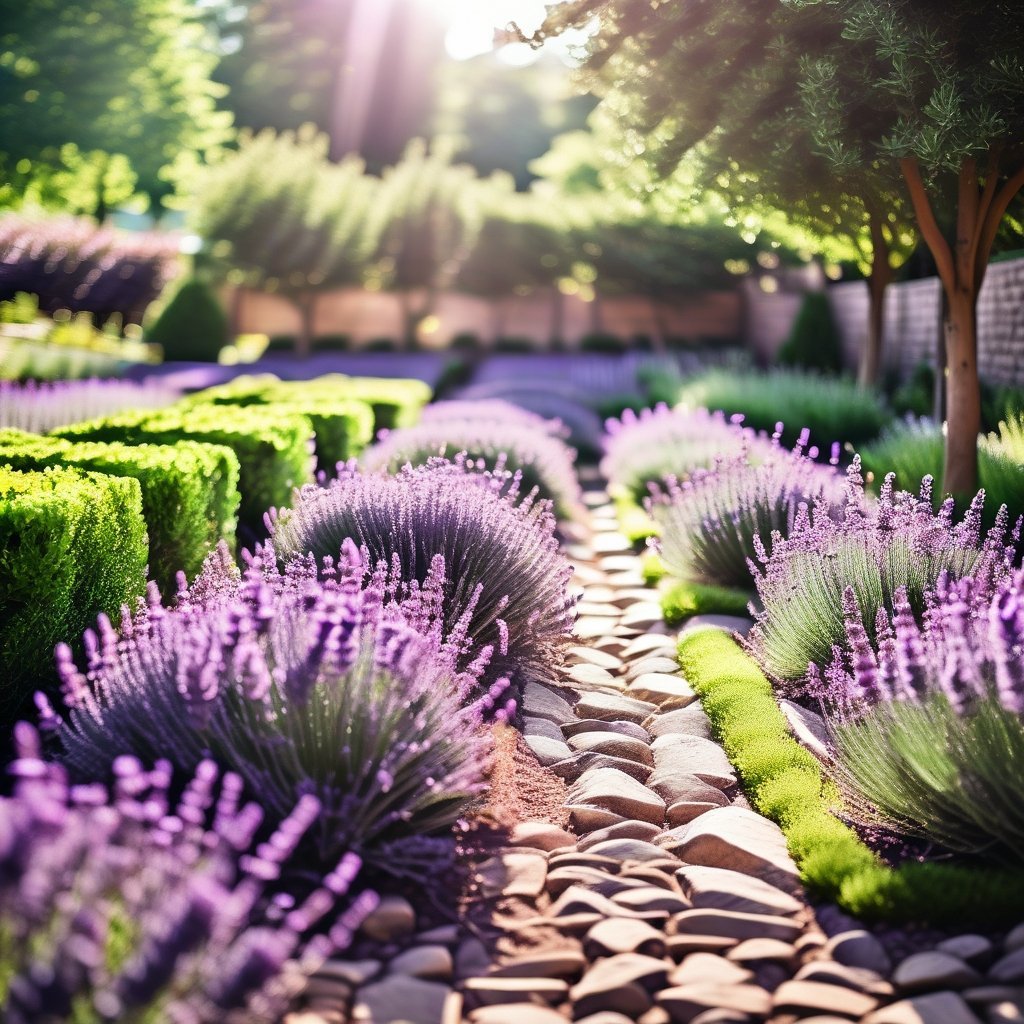
Russian sage produces tall, airy spikes of tiny lavender-blue flowers on silvery stems from midsummer through fall. It is exceptionally drought-tolerant, thrives in poor soils, and creates a soft, romantic texture in the garden. Cut to within a few inches of the ground in late winter and it will return vigorously each spring. Zones 5-9.
Daylilies (Hemerocallis)
Few plants offer more reward for less effort than daylilies. They naturalize freely, tolerate a wide range of soil conditions, survive drought and neglect, and bloom in an enormous range of colors. Modern reblooming varieties like Stella de Oro bloom multiple times throughout the season. Divide clumps every four to five years to keep them blooming at full potential.
Top Picks for Warmer Climates (Zones 8-10)
Lantana
In zones 8 and above, lantana is a perennial powerhouse. It blooms almost continuously from spring through frost, thrives in heat and humidity, tolerates drought, and attracts butterflies in enormous numbers. The multicolored flower clusters in combinations of yellow, orange, pink, and red are stunning.
Agapanthus (Lily of the Nile)
Agapanthus produces dramatic globes of blue, violet, or white flowers on tall stems in summer. It is heat-tolerant, drought-resistant once established, and thrives in warm humid conditions of zones 8-11. The strappy evergreen foliage provides year-round interest even when the plant is not in bloom.
Canna Lily
For dramatic tropical foliage and vivid summer color, nothing in the perennial palette rivals canna lilies. Their large paddle-shaped leaves come in green, bronze, and striped varieties, and the flowers range from delicate apricot to vivid orange and red. In zones 8 and above they are reliably perennial.
Universal Perennials That Perform Almost Everywhere
Hostas
Hostas are the undisputed champions of shaded perennial gardens. They come in an extraordinary range of leaf sizes, shapes, and colors. They are essentially maintenance-free once established: no deadheading, no dividing required for years, and absolutely no fussing. They are the first choice for difficult shaded areas where little else performs well. Zones 3-9.
Yarrow (Achillea)
Yarrow is drought-tolerant, deer-resistant, attracts pollinators, and thrives in poor dry soils where more fussy perennials fail. It spreads gently over time and is one of the few perennials that actually improves in poor conditions. Zones 3-9.
Building a perennial garden takes a little planning upfront, but the rewards compound every single year. Choose plants suited to your zone, prepare your soil well in the first season, and give them a full year to establish before judging their performance. By year two or three, a well-planted perennial garden requires little more than seasonal cleanup. For more inspiration, browse our gardening guides. For more ideas, explore our gardening tips.