
The Spring Planting Secret Most Gardeners Overlook
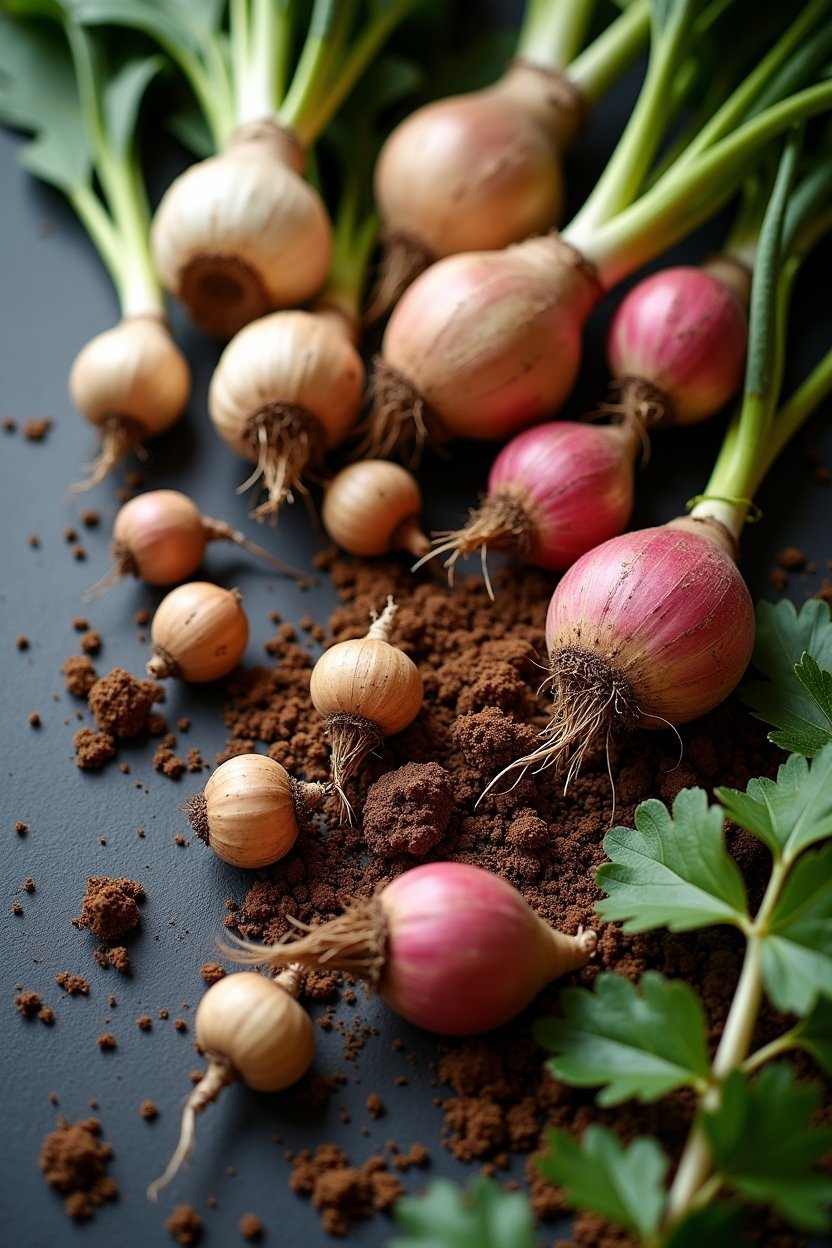
When most people think about planting bulbs, they picture the fall — tulips, daffodils, hyacinths going in the ground before winter. But there’s an equally rewarding category of bulbs that get planted in spring and deliver one of the most spectacular garden shows of the entire year: summer-blooming bulbs. Dahlias, gladiolus, calla lilies, anemones, begonias — the bold, dramatic performers that fill gardens with color from midsummer through first frost.
Zone-by-Zone Timing Guide for Spring Bulb Planting
- Zones 9–11: Many summer bulbs can go in as early as January–February. Dahlias and calla lilies can be planted as perennials and left in the ground year-round.
- Zones 7–8: Plant after last frost, typically late March through mid-April. Soil should be consistently above 60°F.
- Zones 5–6: Wait until mid-April through mid-May.
- Zones 3–4: Plant in late May. The season is shorter, but summer-blooming bulbs grow and bloom quickly once temperatures warm.
The All-Stars: Summer Bulbs Worth Growing in 2026
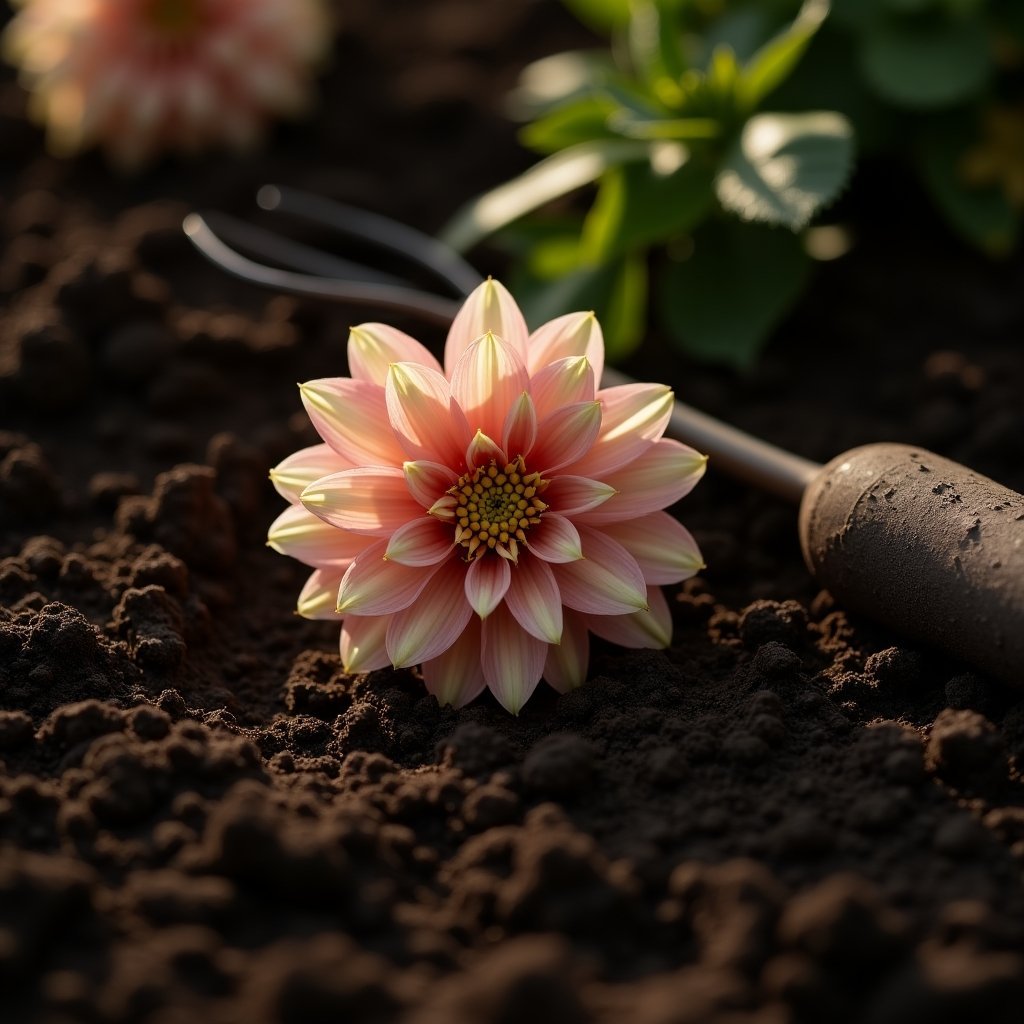
Dahlias are the superstar of the summer bulb world. They bloom prolifically from midsummer until hard frost, come in an extraordinary range of sizes, and the more you cut them, the more they bloom. Plant dahlia tubers 4–6 inches deep with the eye (growing point) facing up, spacing large varieties 18–24 inches apart in full sun. A dahlia bulb assortment pack in mixed colors is the most economical way to try multiple varieties.
Gladiolus produce tall, dramatic flower spikes that are exceptional for cut flower arrangements. Plant corms 4–6 inches deep, 6 inches apart. They bloom approximately 70–90 days after planting. Succession planting trick: plant a batch of gladiolus corms in mixed colors every two weeks from your last frost date through midsummer for continuous blooms from July through September.
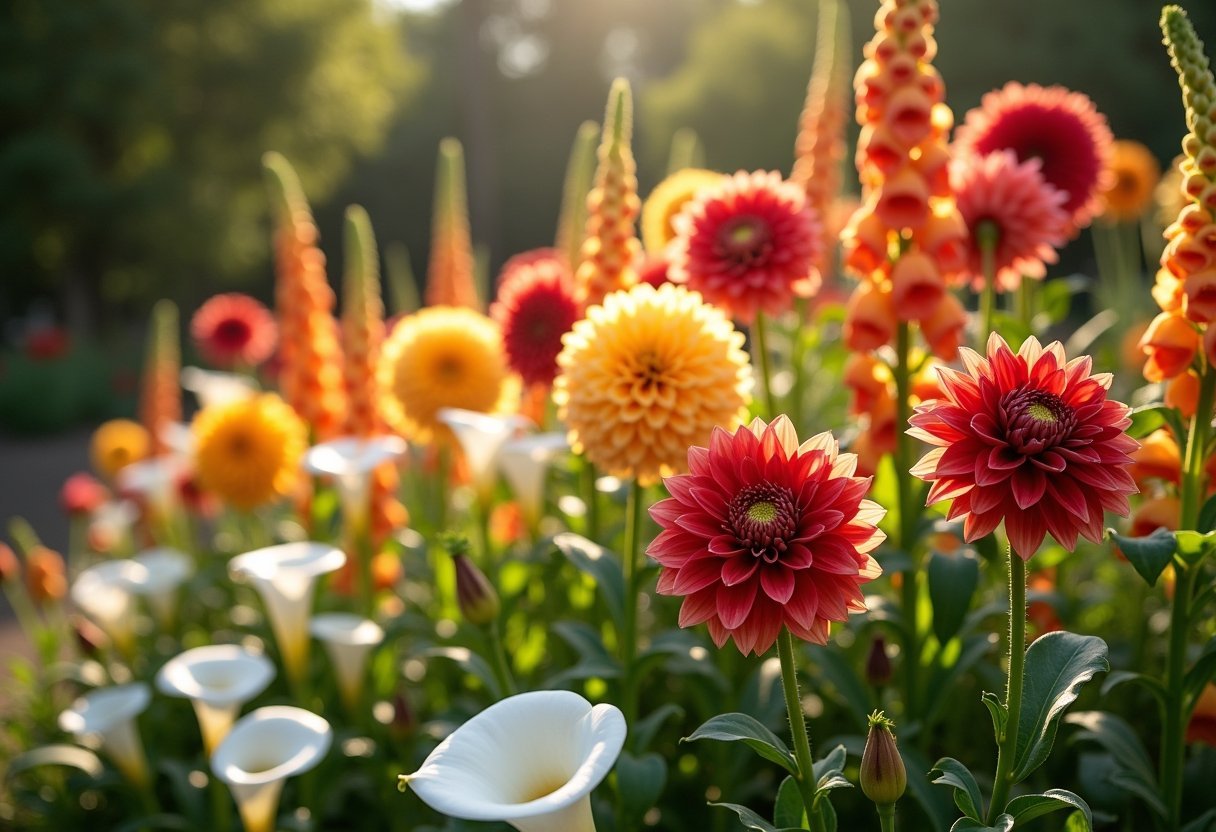
Calla Lilies bring sophisticated elegance to the garden. Plant rhizomes 3–4 inches deep with the growing tip facing up, in partial to full sun, with consistently moist soil. Calla lily bulbs in white, cream, and yellow are most popular, but deep burgundy and coral varieties are stunning.
Anemones produce poppy-like flowers in vivid reds, purples, pinks, and whites. Soak corms in water for 3–4 hours before planting to rehydrate them. Tuberous Begonias are the go-to choice for shaded garden spots — their large, rose-like blooms thrive without full sun. Start begonia tubers indoors 6–8 weeks before last frost for the earliest blooms.
The Planting Depth Guide
- Dahlias: 4–6 inches deep
- Gladiolus corms: 4–6 inches deep
- Calla lilies: 3–4 inches deep
- Anemone corms: 2–3 inches deep
- Tuberous begonias: Just below the surface, hollow side up
A bulb planter tool with depth guide takes the guesswork out entirely. If you’re planting more than a few dozen bulbs, a long-handled bulb planter is worth every penny for the saved back strain alone.
Fertilizing Bulbs for Maximum Bloom
Apply organic bulb fertilizer with bone meal at planting time, working it into the bottom of the planting hole before setting bulbs in. Bone meal is a slow-release phosphorus source that feeds bulbs throughout the growing season. Once plants are actively growing and beginning to bud, switch to a balanced liquid fertilizer every two weeks.
End-of-Season Storage
In zones 7 and colder, summer bulbs need to be dug up and stored after the first frost kills the foliage. After the first frost blackens the foliage, cut plants back to 4–6 inches, carefully dig up clumps, brush off loose soil, and let bulbs dry in a warm ventilated area for one to two weeks. Store in paper bags or cardboard boxes filled with peat moss or dry sawdust, in a cool (40–50°F), dark, frost-free location through winter. Dahlias multiply each year — by year three, you’ll have far more tubers than you started with.