
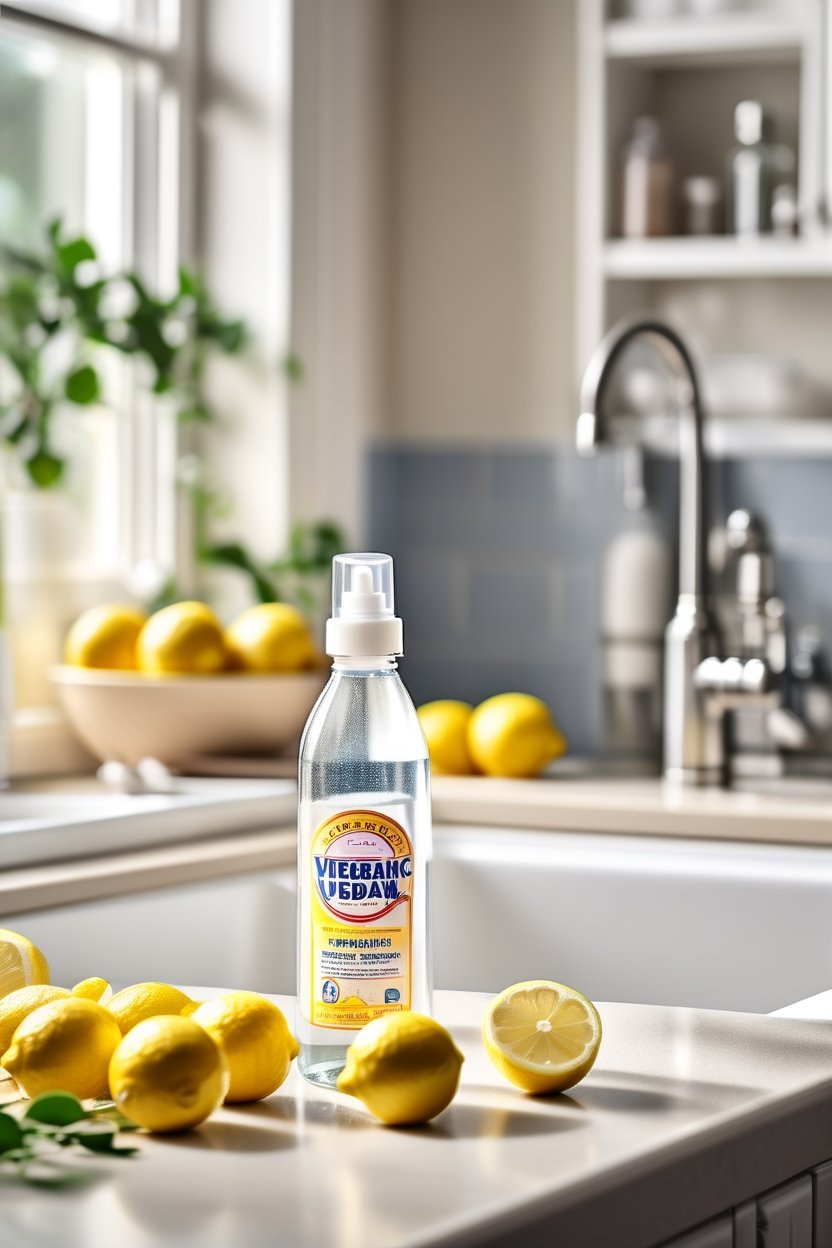
baking soda cleaning hacks and white vinegar are two of the most powerful — and most misunderstood — cleaning agents in your refresh your kitchen without a renovation cabinet. Together they have been credited with everything from unclogging drains to removing stains, whitening clean grout without scrubbing, and deodorizing just about anything. But there is one very important truth about these two ingredients that most cleaning hack articles get wrong, and understanding it will make your cleaning routine significantly more effective.
The Big Myth: Mixing Them Together
When you combine baking soda (a base) with vinegar (an acid), they neutralize each other. The result is mostly water and carbon dioxide gas. The fizzing is the power being used up, not being applied to your cleaning surface. Mixing them together in a spray bottle and then applying the mixture to a surface is much less effective than using either ingredient on its own.
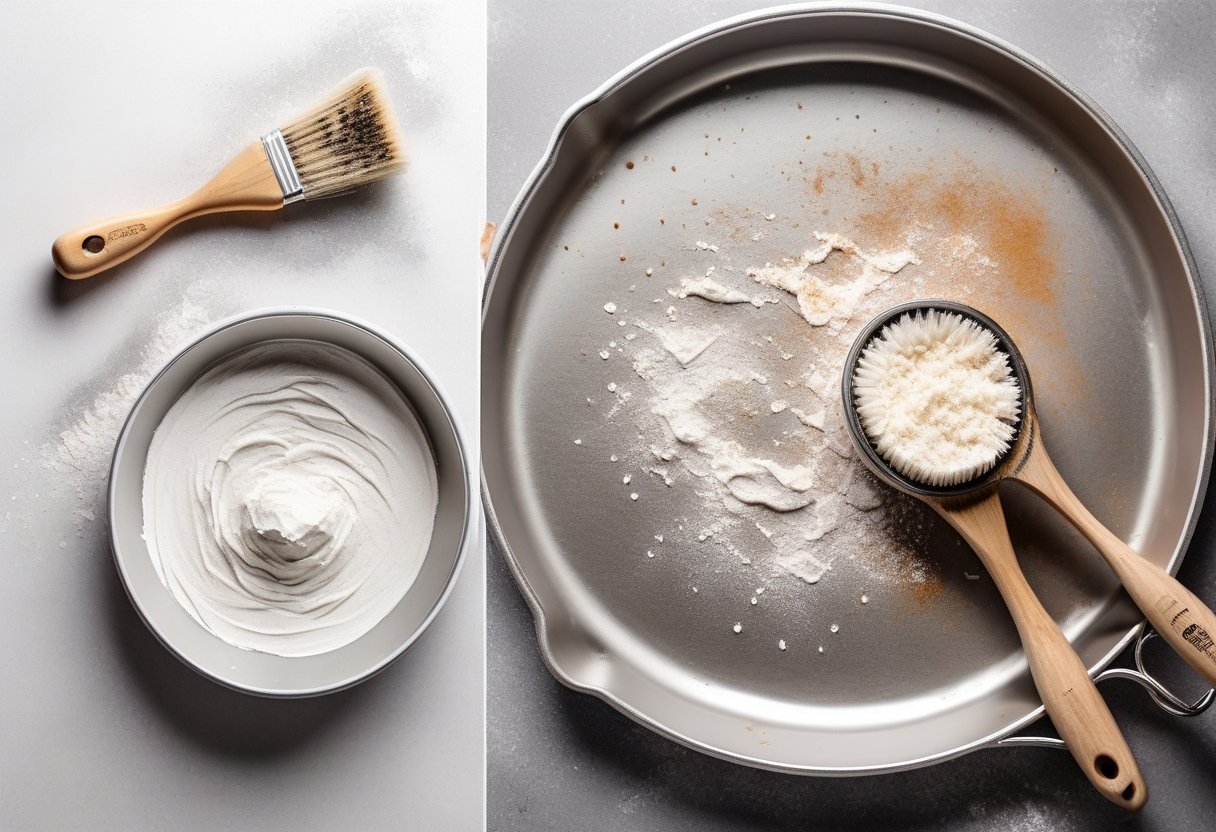
What Baking Soda Does Best
Deodorize the Refrigerator and Freezer
An open box of baking soda in the back of your deep clean your refrigerator genuinely works. Baking soda absorbs odor molecules rather than masking them. Replace the box every three months and add a second one to your freezer for fresher-smelling cold storage overall.
Scrub Sinks, Tubs, and Tile
Baking soda is a mild abrasive that scrubs effectively without scratching most surfaces. Sprinkle it directly onto a damp sponge and use it to scrub your deep clean your kitchen sink, bathtub, or tile grout lines. For stubborn soap scum buildup, make a paste with a small amount of dish soap and apply it before scrubbing.
Freshen Carpets and Upholstery
Liberally sprinkle baking soda over carpets, rugs, or upholstered furniture, let it sit for 15-30 minutes (or overnight for strong odors), and vacuum it up. It absorbs embedded odors from pets, food, and everyday life without leaving any residue.
Remove Baked-On Residue from Pans
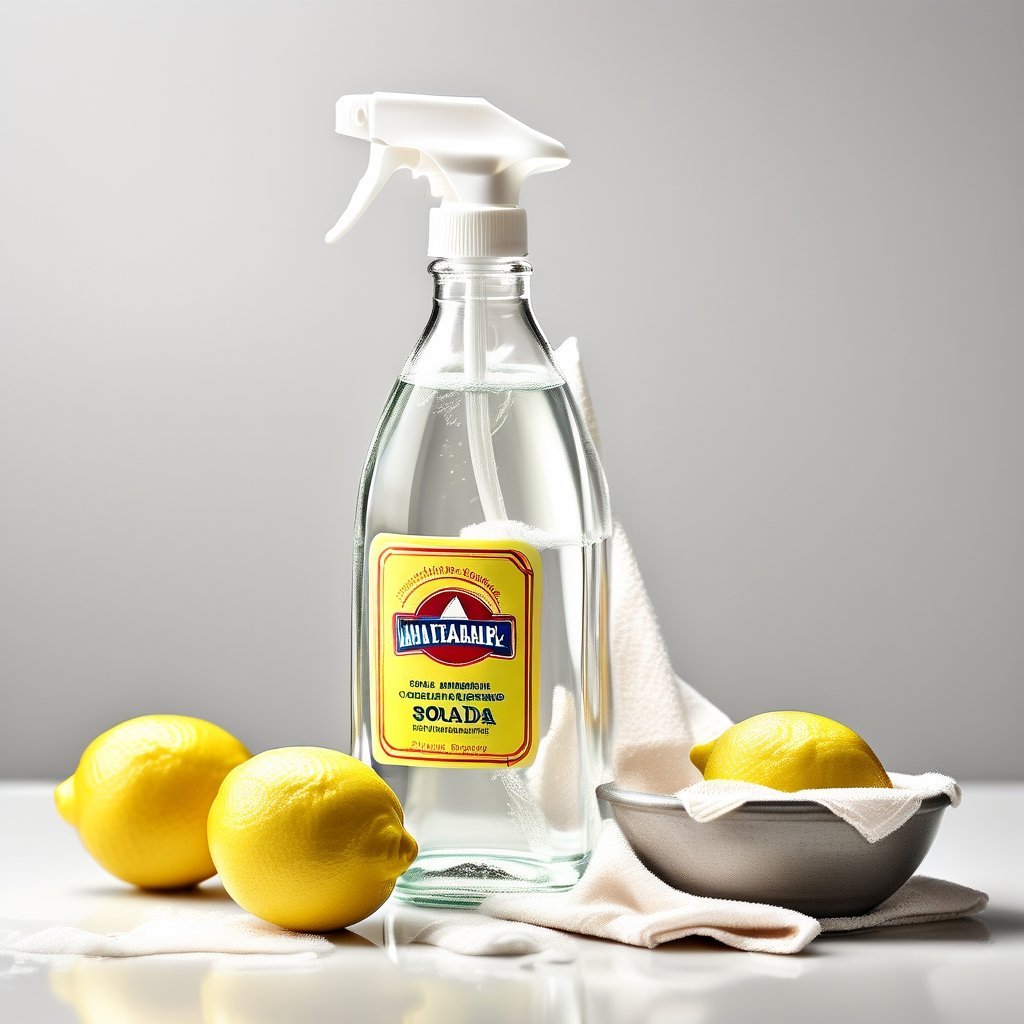
For a scorched pan or a baking sheet with stubborn baked-on grease, sprinkle baking soda over the surface, add enough water to make a paste, and let it sit for several hours before scrubbing. The alkaline nature of baking soda breaks down grease far more effectively than most dish soaps.
What White Vinegar Does Best
Clean Glass and Windows to a Streak-Free Shine
Diluted white vinegar (half vinegar, half water) in a spray bottle is one of the best window cleaners available at any price. It cuts through grease and grime, evaporates quickly, and leaves no streaks. Wipe with a lint-free microfiber cloth for best results. The MR.SIGA Microfiber Cleaning Cloth Set on Amazon is excellent for streak-free glass cleaning.
Descale Your Kettle and Coffee Maker
Fill your kettle halfway with equal parts white vinegar and water, bring it to a boil, let it sit for 20 minutes, then rinse thoroughly. For coffee makers, run a brew cycle with the same vinegar-water mixture, followed by two plain water cycles.
Eliminate Mildew and Soap Scum in the Bathroom
Undiluted white vinegar sprayed directly onto mildew in showers, left to sit for 15-20 minutes, and then scrubbed off removes mildew effectively and prevents immediate regrowth. It also cuts through soap scum on shower doors and faucets without harsh chemicals.
Deodorize the Dishwasher and Washing Machine
Run an empty dishwasher cycle with a cup of white vinegar placed in a dishwasher-safe bowl on the top rack. For a front-loading washing machine, add two cups of white vinegar to the detergent dispenser and run a hot cycle with no laundry inside.
When to Use Them in Sequence (The Right Way)
There is one classic application where using baking soda and vinegar in sequence is genuinely effective: slow or partially clogged drains. Pour half a cup of baking soda down the drain first, let it sit for a few minutes, then follow with half a cup of white vinegar. Let it work for 15 minutes, then flush with boiling water. This is an excellent monthly maintenance habit.
A Note on Surfaces to Avoid
Avoid using vinegar on natural stone countertops (marble, granite, travertine) — the acid etches the surface permanently. Avoid using baking soda on non-stick cookware — the abrasion can damage the coating. And never use vinegar on hardwood floors — it dulls the finish with repeated use.
Once you understand what each ingredient does best on its own, you will find that your natural cleaning routine becomes both more effective and more efficient. These two pantry staples are genuinely powerful — the key is deploying them correctly.